2026
Game Frame Magazine
Virtual Photography
GAME FRAME




April - Cover Me in Sunshine
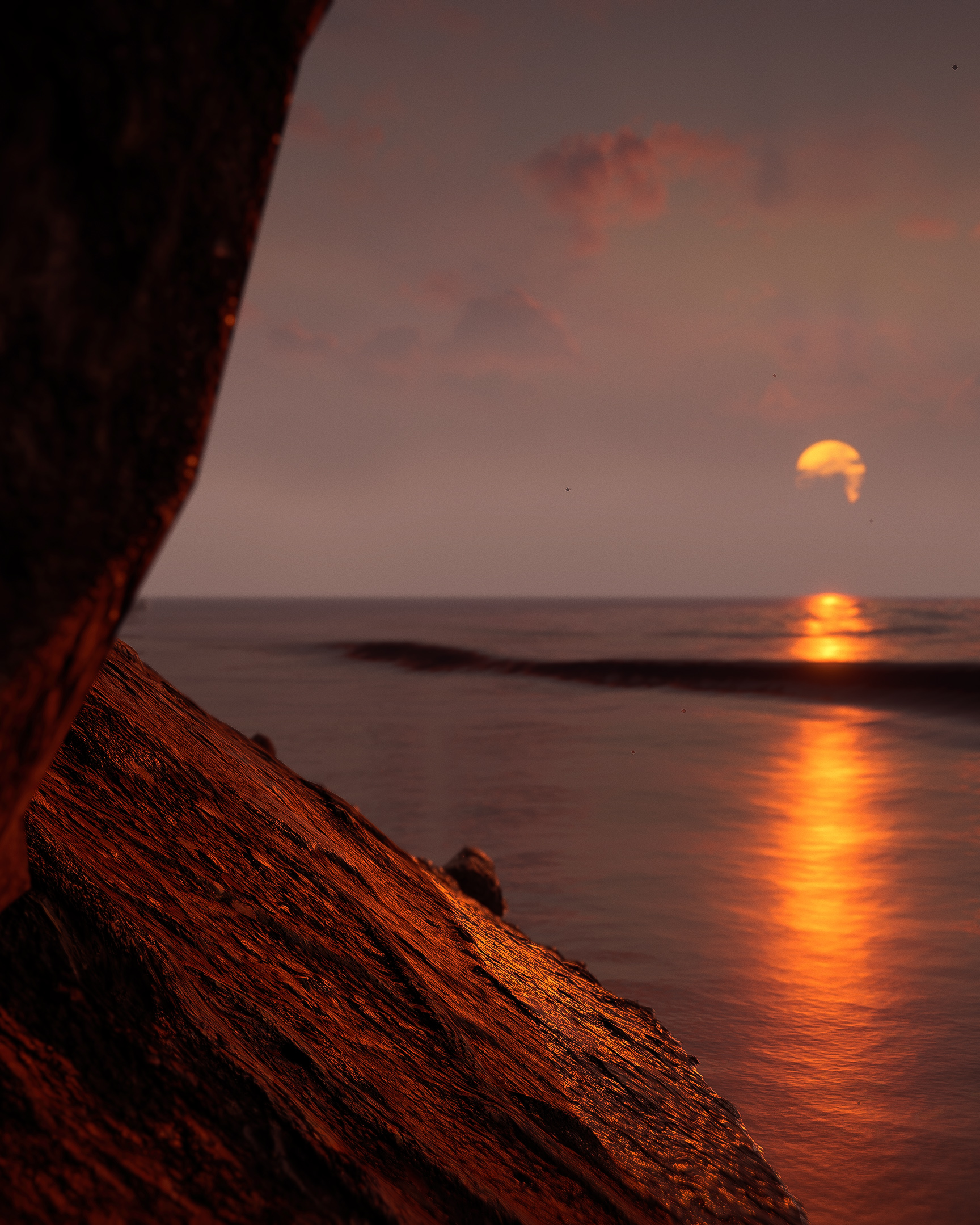
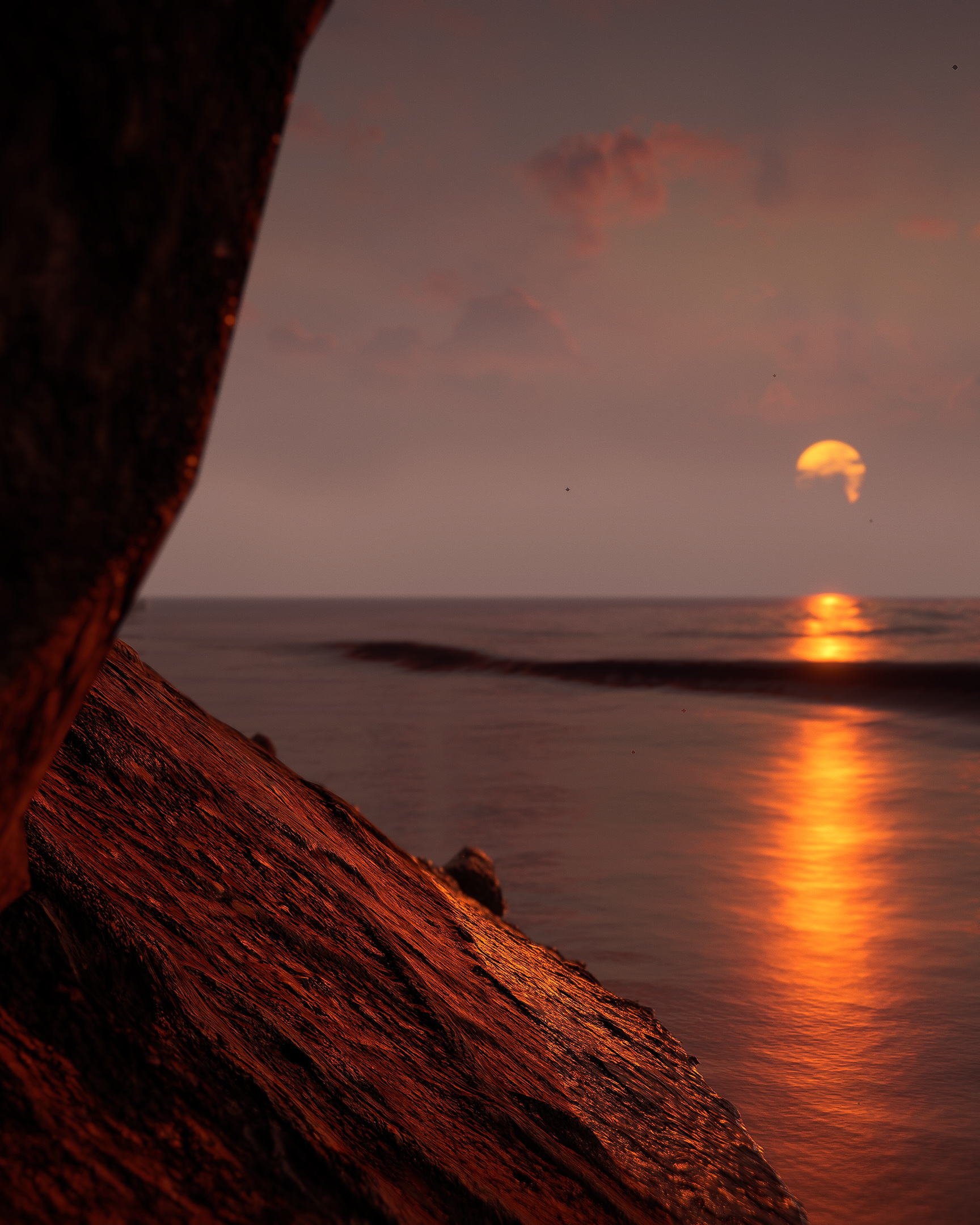
Capture by: Caique (caique.vp)

Editor's Note
It’s that time of year when summer feels as though it’s just within reach, like a fleeting glimpse of golden light on the horizon, yet still remains just out of grasp. A quiet sense of anticipation is woven into these days as spring slowly relinquishes its flowery reign, making way for summer’s long-awaited arrival. And while this stretch of the year can feel uncertain, much like April’s moody and unpredictable weather, it’s worth pausing to appreciate how far we’ve already come and to focus on the positives; sunlit days instead of rainy ones. One-third of the year now lies behind us, which may seem like a small milestone, but one that deserves to be acknowledged nonetheless.
With that in mind, I’m incredibly excited to present this new release of Game Frame. After taking a brief pause in March, due to the hectic nature of the month, I return a little more rested and ready to share this issue with all of you – one that, in many ways, reflects that same transitional feeling: a bridge between seasons, emotions, and fleeting moments, all captured through the lens of virtual photography.
Before we fully step into this month’s theme, however, I want to take a moment to recognize someone truly important to this issue. Sill (@sill_vp) has been an invaluable part of bringing this vision to life, generously contributing her time, talent, and keen eye for detail in curating the captures that shape this month’s atmosphere. Her work carries a natural sense of warmth – an effortless sparkle of joy that resonates deeply with the essence of the theme. Beyond that, her kindness and eagerness to help made the entire process all the more meaningful and a reminder of how generous and supportive this community truly is. Sill’s captures don’t just reflect the theme; they embody it, illuminating each frame with a softness and radiance that mirrors the feeling of sunlight breaking through after days of grey.
And now, without further ado, may this issue cover you in sunshine!
Ella (StrawbElla)
Managing Editor

Through the Lens: Conquering the Skies with Caique
Meet the Photographer
How did you first decide to start doing virtual photography?
“I started genuinely capturing beautiful landscapes or anything cool I would find, and exploring photo mode features, firstly keeping it offline. Over time, I discovered the VP community full of incredible artists and started to consider participating. At that time, Guerrilla Games had just revealed the DLC Burning Shores, and that inspired me to start!”
Which game would you say sparked your interest in virtual photography?
“Horizon Forbidden West! I became fascinated by everything within the game, from the story and gameplay to stunning landscapes and graphics. At the time, I was even going to sleep thinking about what to do next in the game! Then I just seized this opportunity to start exploring its photo mode.”
Introduction:“I’m Caique, a virtual photography lover. I adore observing the beauty of the world and capturing it through video games!”
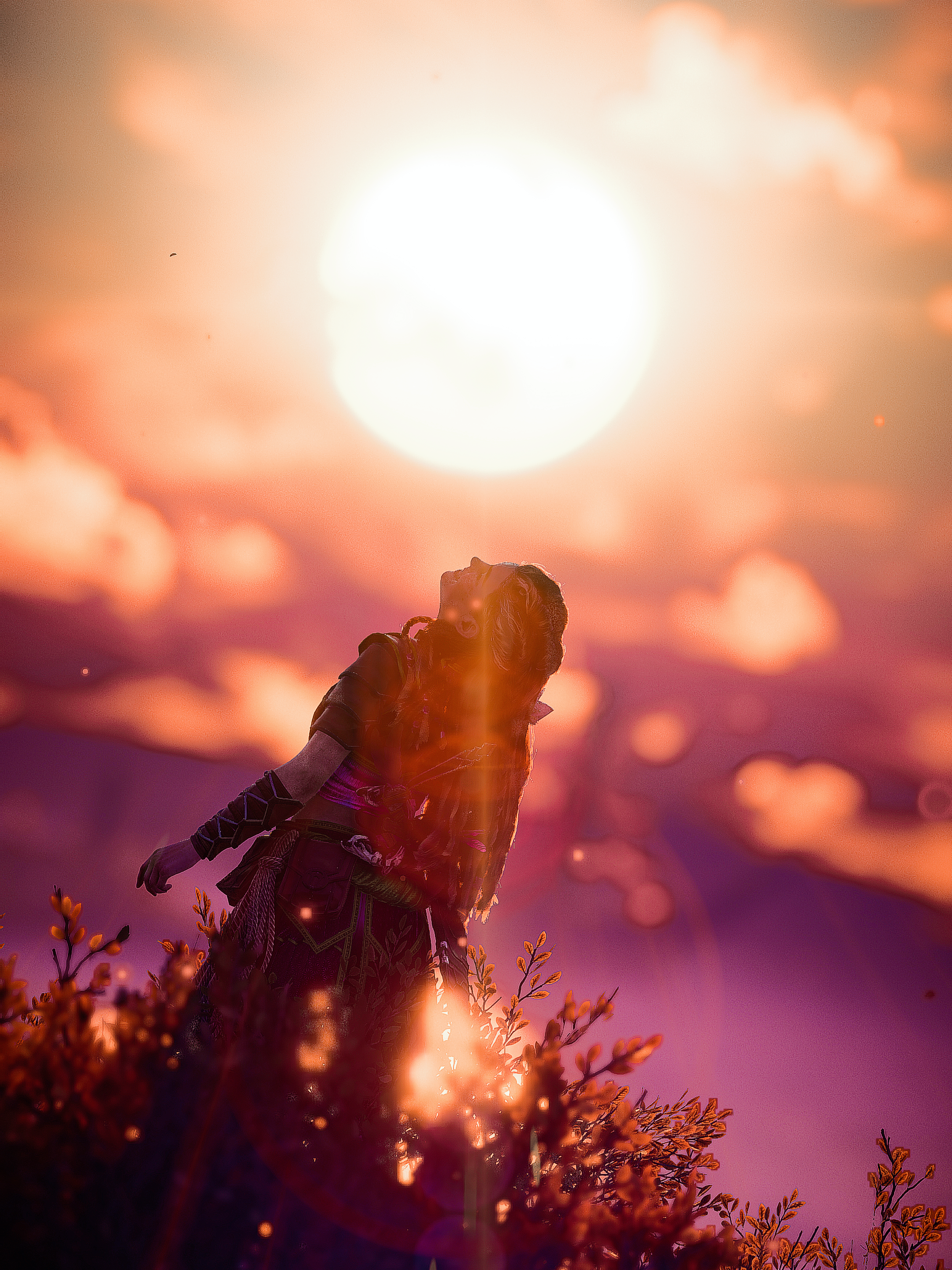
Ray of Sunshine (Horizon Forbidden West)
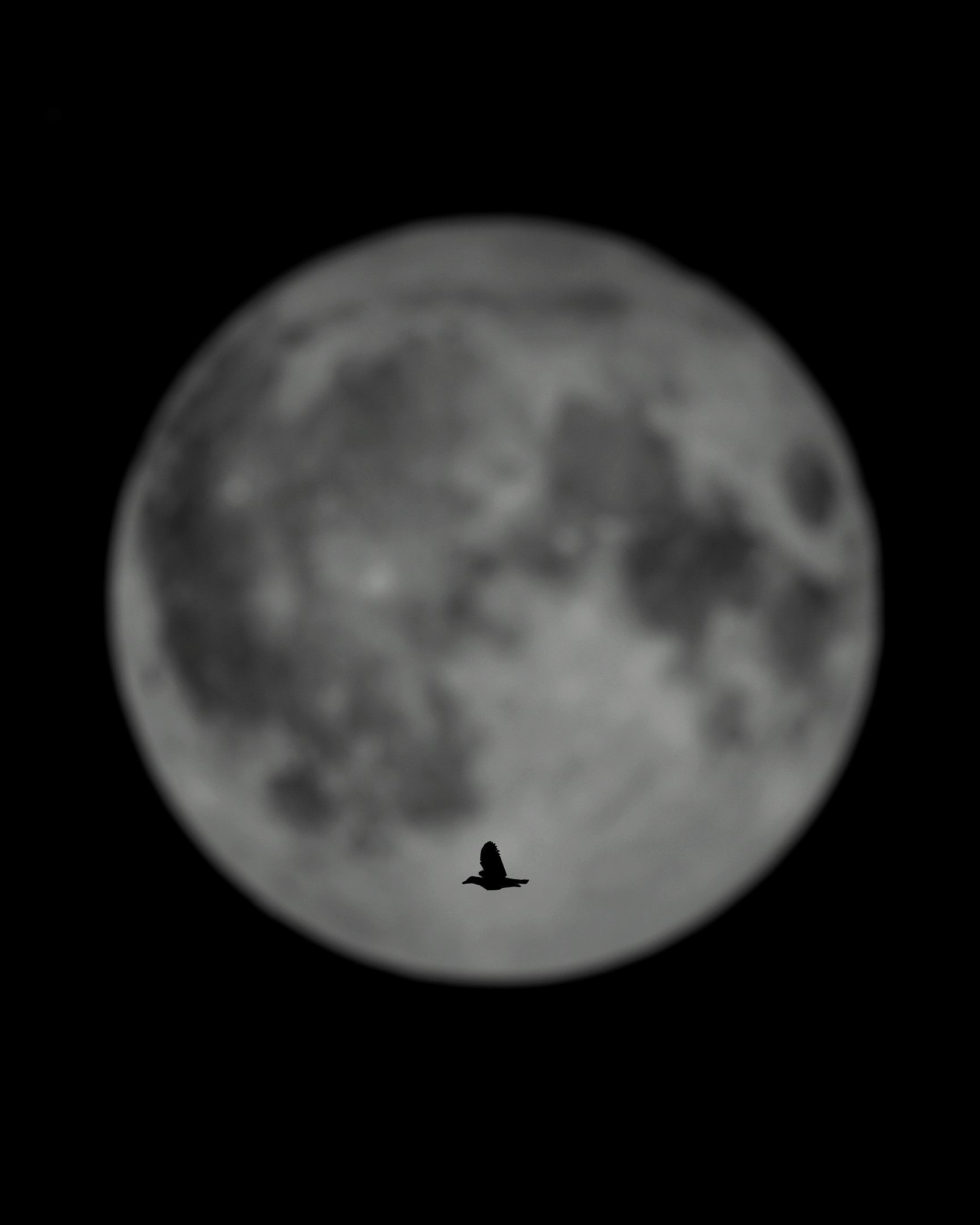
Rises the Moon (Horizon Forbidden West)
How it All Begins
Your captures often depict beautiful sunsets and night skies. When capturing these elements, do you draw your inspiration from real life?
“Yes! I often draw my inspiration from my feelings or from something I saw in real life, be it a landscape, a specific situation, etc. However, oftentimes I also draw it from the game itself!”
The interplay of light and shadow in your pieces is something that draws me in as an observer. What role does lighting play in your creative process?
“Lighting has one of the most important roles in my entire creative process, especially when the photo involves silhouettes or sunsets. The negative space is just as important as the lighting!”
Do you usually plan out your capturing sessions, or do you find that too restricting?
“I always plan them out! While playing the game, I like to focus on the gameplay itself rather than the photo mode! There are a few exceptions, like when I find something interesting to capture.”
Since you like to capture on a schedule, do you have a clear vision for a capture before entering photo mode, or do you let it develop organically as you explore the in-game worlds?
“It’s kind of both! I usually enter the photo mode with an idea in mind, and then it develops along the process.”
Is there a specific season of the year or time of day you prefer capturing in?
“Yes, I adore capturing in summer, at sunset! It always inspires me.”
When you are composing a shot, what is the first thing you usually focus on — lighting, framing, or emotion?
“Emotion is always what draws me to enter photo mode! Then I focus on the framing (I’m kind of a perfectionist about it), and last but not least, the lighting!”
How many captures do you usually take before creating something you wish to share online?
“Usually, I take 10–20 captures in a row before I actually start liking them, but this may vary a lot!”
Are there any captures you personally love but chose not to post?
“Yes, absolutely! I have an entire gallery of photos that I love but didn’t post. I often feel they are too simple (good but not good enough), or don’t match my style, or even that they are too similar to someone else’s style, so I decide not to post them!”
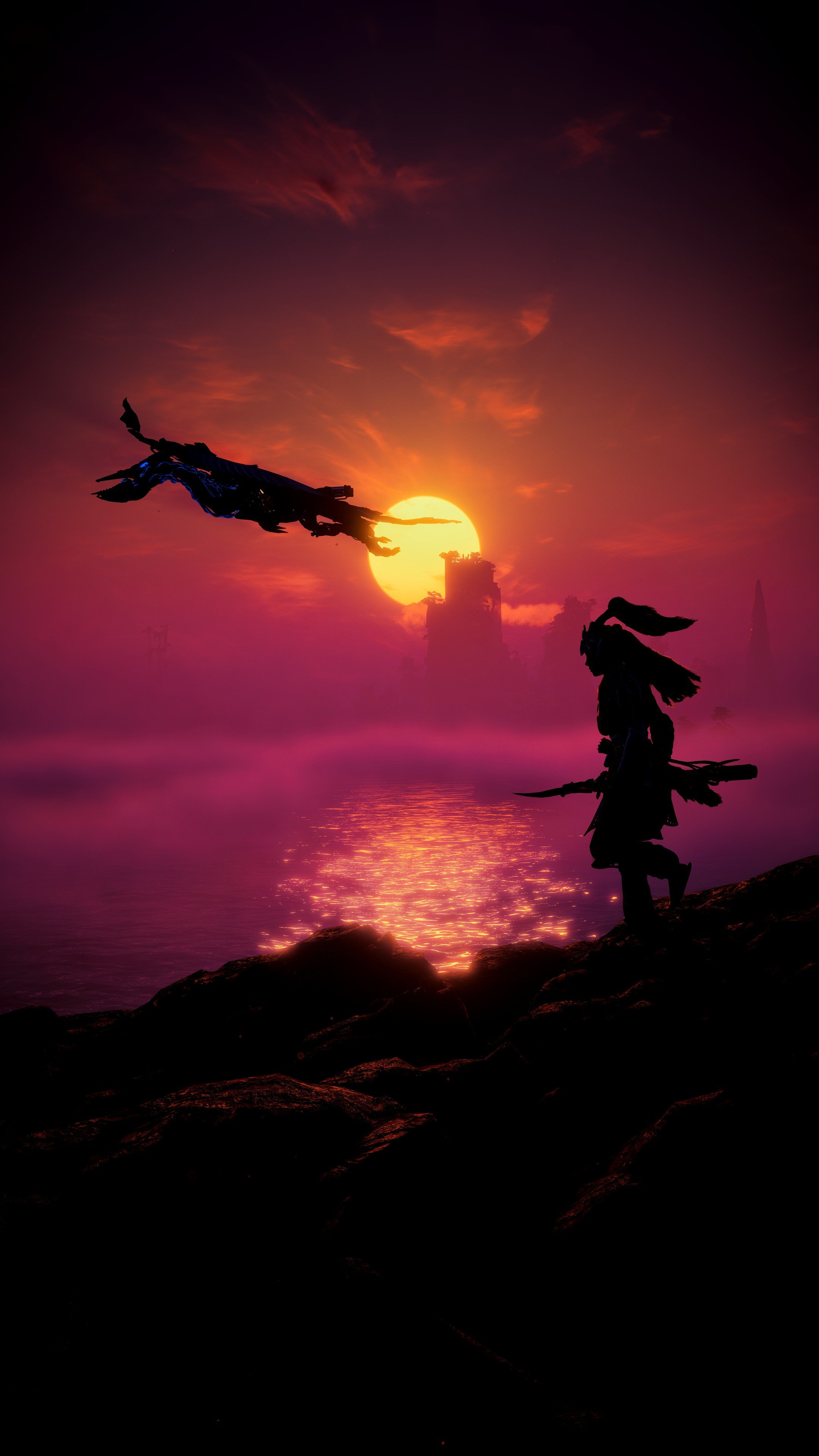
Sunset in the Lost City (Horizon Forbidden West)
Finding Your Style
Horizon, which takes up quite a bit of space in your photography portfolio, offers very diverse landscapes. Are there any locations in the game that you find yourself returning to often?
“Yes, in Forbidden West, I love the beach near Tide’s Reach! The Burning Shores also have a lot of specific places that I often return to, like Pangea Park or the sky itself. In Horizon Zero Dawn, I love the Sacred Lands and Meridian areas!”
Are there any specific moments in Horizon that inspired one of your favorite captures?
“There are a lot of them! But one that’s especially worthy of mentioning is the main quest, Sea of Sands. Morlund’s enthusiasm to follow his grandpa’s love for art is truly inspiring and moves me every time I play the game again.”
Aside from Horizon, you branch out to other games as well. Which one would you say is currently your favorite to capture in?
“It’s Clair-Obscur: Expedition 33!”
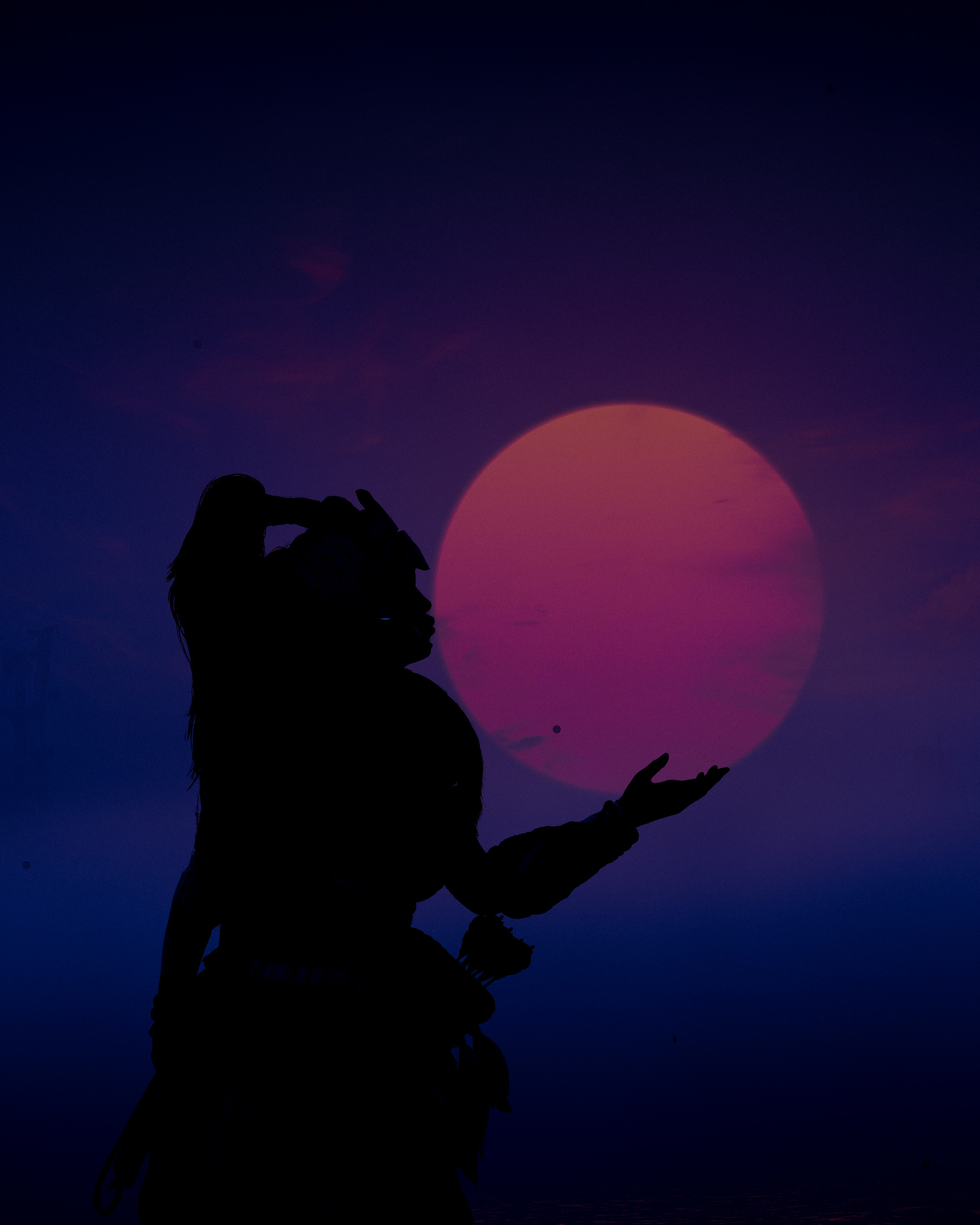
You have created many timeless pieces featuring silhouettes pressed against either the Sun or the Moon. Are there any special approaches you take when creating those pieces?
“When taking pictures, I always try to capture the perfect emotion and framing, therefore I firstly focus on the lighting (adjusting the framing if needed), then the character positioning, the background, etc.”
Your captures often feel very calm and atmospheric. Is creating this specific mood something you consciously aim for?
“Yes, I love this lo-fi/creative/colorful mood! I usually try to convey this feeling in my pictures, although I try to capture different moods as well!”
Many of your pieces have this cinematic quality to them as well. Do you approach virtual photography with a storytelling mindset?
“Actually, I usually don’t! In my experience, I find limiting my VP for a storytelling line very restrictive! For example, that’s why I prefer to focus on different forms of sunsets rather than different forms of landscapes! There are specific points that inspire me the most to capture, and a storytelling mindset would limit that! Nonetheless, I have to say that I would love to start doing so, I love developing fictional stories and characters that I use for nothing, and perhaps that’s exactly what I need for increasing the depth of my VP!”
Your color schemes are mostly very warm-toned. Is there something specific that draws you to that atmospheric quality?
“As I mentioned before, I love that lo-fi/colorful “vibe”, and warm tones contribute to that a lot! They are comforting, and evoke feelings such as happiness and excitement! They are most likely my favorites to capture, although I also love vibrant (regarding flowers and grass) and cold (regarding the moon, the skies, etc.) tones.”
As mentioned before, you focus primarily on warmer atmospheres but capture cooler tones just as beautifully. Are there any color schemes you find particularly challenging to work with?
“Yes! A white coloring is very difficult to capture in my opinion, and I truly admire those who can capture it so beautifully!”
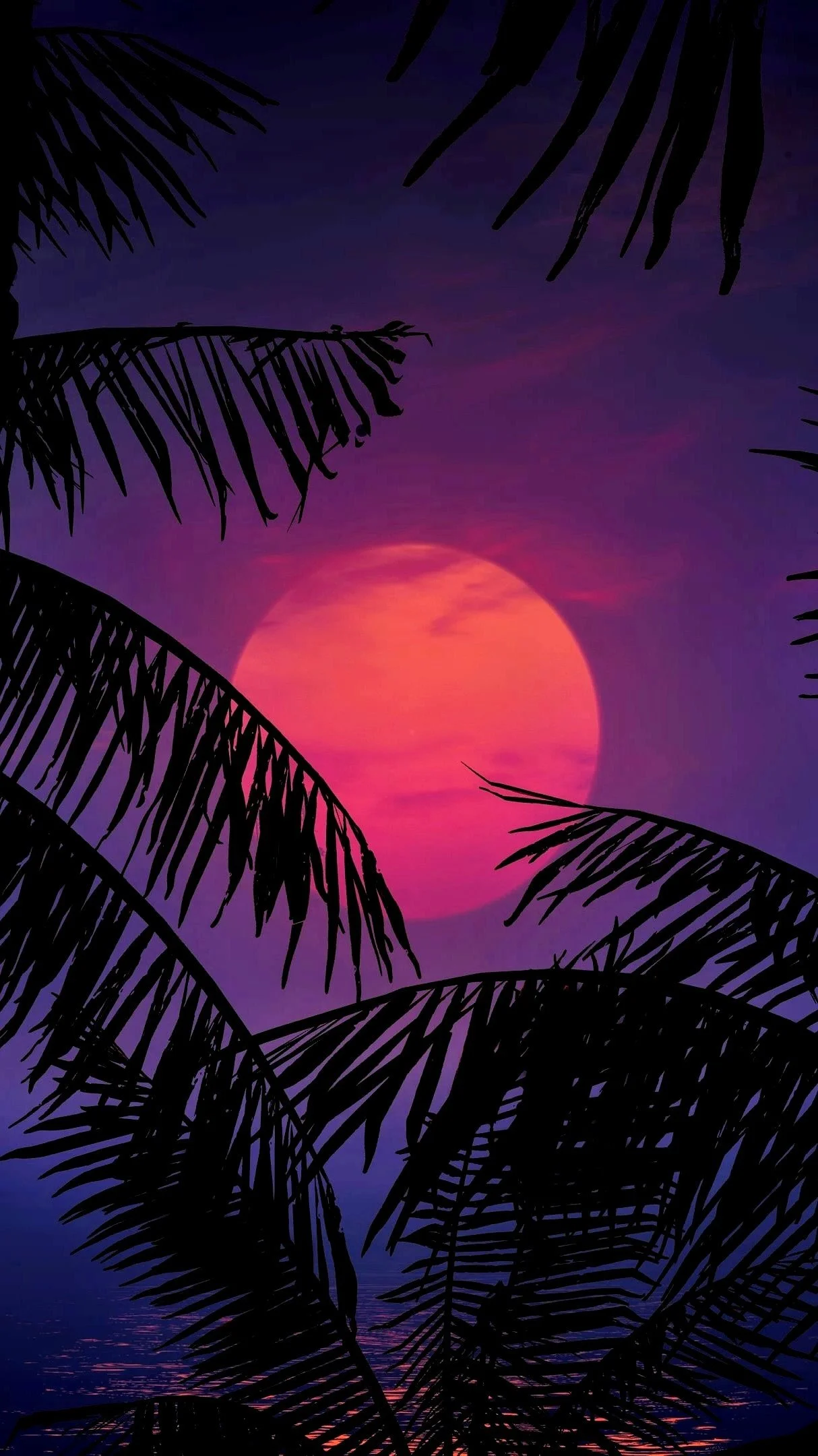
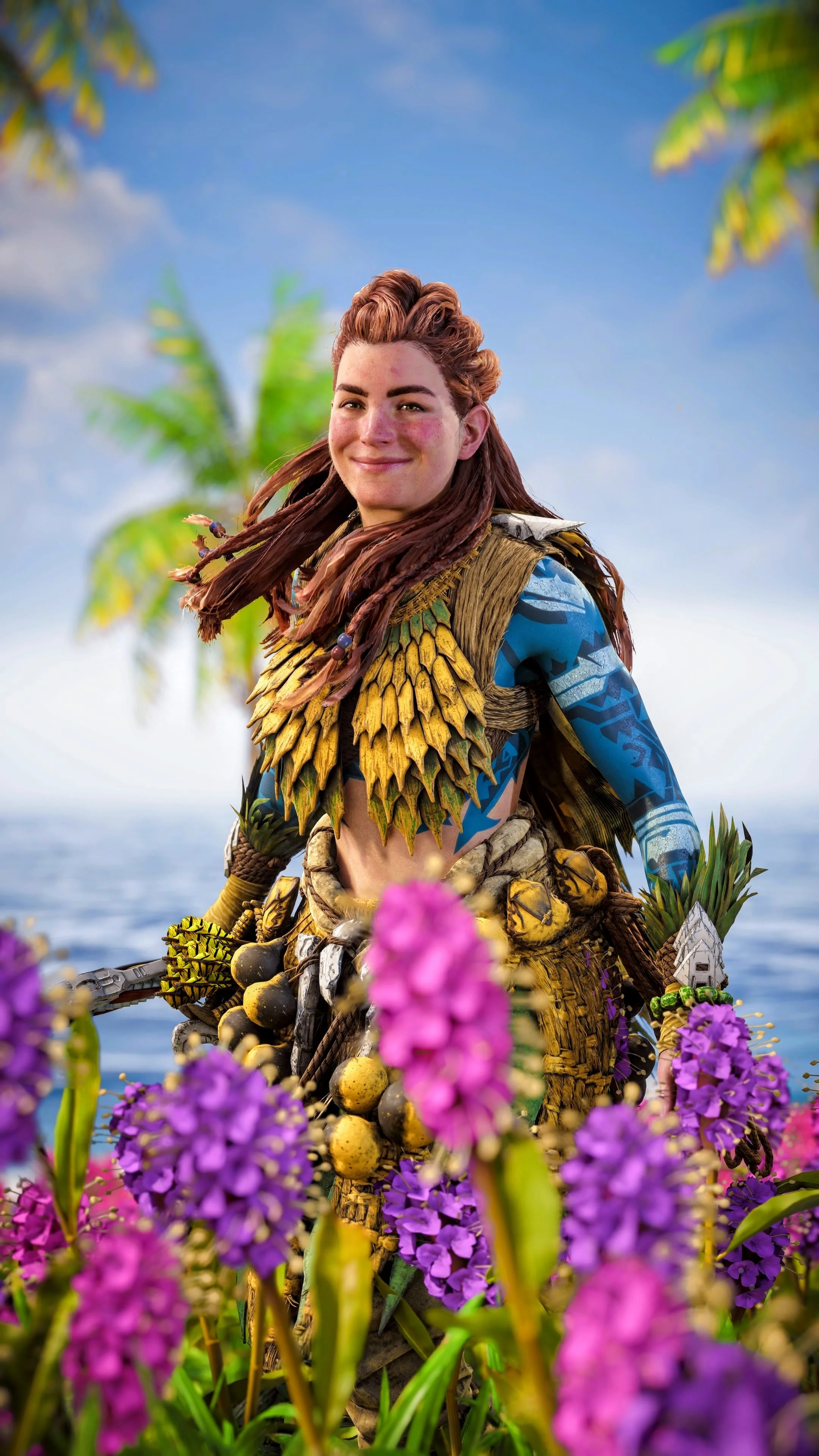
“... creativity and energy aren’t exact math. Sometimes, it just doesn’t work, so what I’ve been doing is just taking a break from what hasn’t been making me feel as excited as it used to! ”
Flames (Horizon Forbidden West)
A Vibrant Life (Horizon Forbidden West)
Who would you say is your favorite video game character?
“This is the hardest question. I never think about it! Countless names came to mind, but just to pick one of them, I would say Sylens. Of course, he’s egocentric and a very mysterious character, so it’s a peculiar choice, but when he appears in any cutscene to talk to Aloy, I know they’re going to have the best interaction in video game history. Every interaction between him and Aloy reminds me of the first time I played Horizon Zero Dawn, and why I love it so much. He holds an incredibly important role in my love for Horizon, and consequently, for VP.”
Is there a quote of his that particularly resonates with you?
““There’s so much more to discover before the world ends” is a quote that inspires me even in real life. This is one of the rare moments of agreement I have with him; plus it always brings back all those Horizon Zero Dawn memories for me.”
Do you find Sylens particularly photogenic, or do you prefer to appreciate his qualities that cannot be captured?
“I don’t find him very photogenic, but only because, unfortunately, he isn’t in the most photogenic spots in-game. However, I still always draw some inspiration from him.”
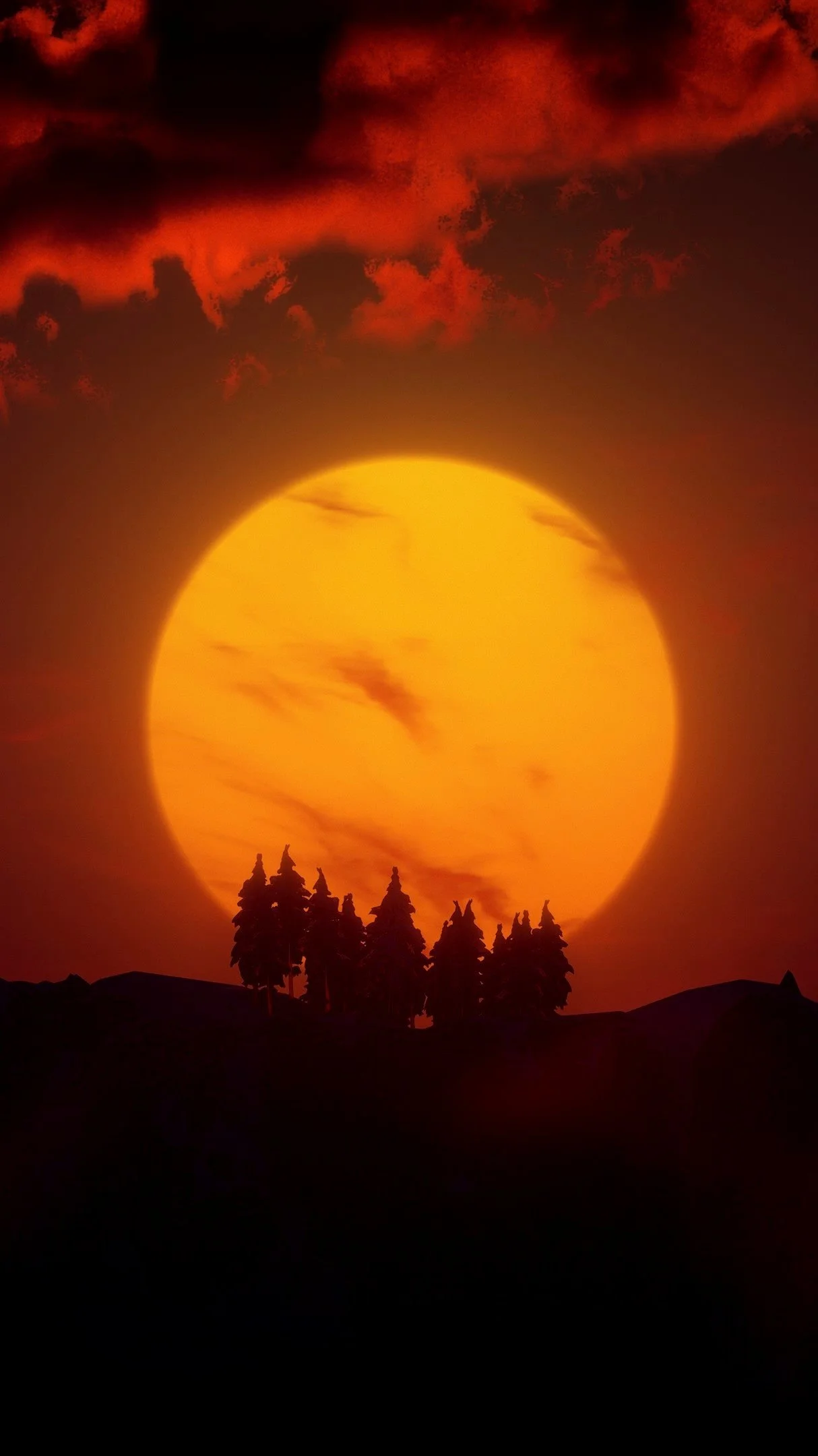
West, Land of Outcasts and Outlaws (Horizon Forbidden West)
From Capture to Masterpiece
Would you say editing is simpler or more difficult than taking the capture itself?
“It’s much simpler, in my experience! I use my creativity at its best during the photo mode process, while I just polish the results in the editing process.”
Have you always edited your captures, or is that a skill you learned and decided to incorporate over time?
“At first, I didn't edit my captures at all. I started to incorporate and improve it along the way.”
Do you ever revisit older captures and re-edit them with your current skills?
“Usually, no, I prefer to focus on new captures rather than keep revisiting my old ones.”
Which apps or software do you use to edit your captures? Would you recommend them to others?
“I am currently using Snapseed. I recommend it, but only if you’re not aiming for a heavy edit or big changes.”
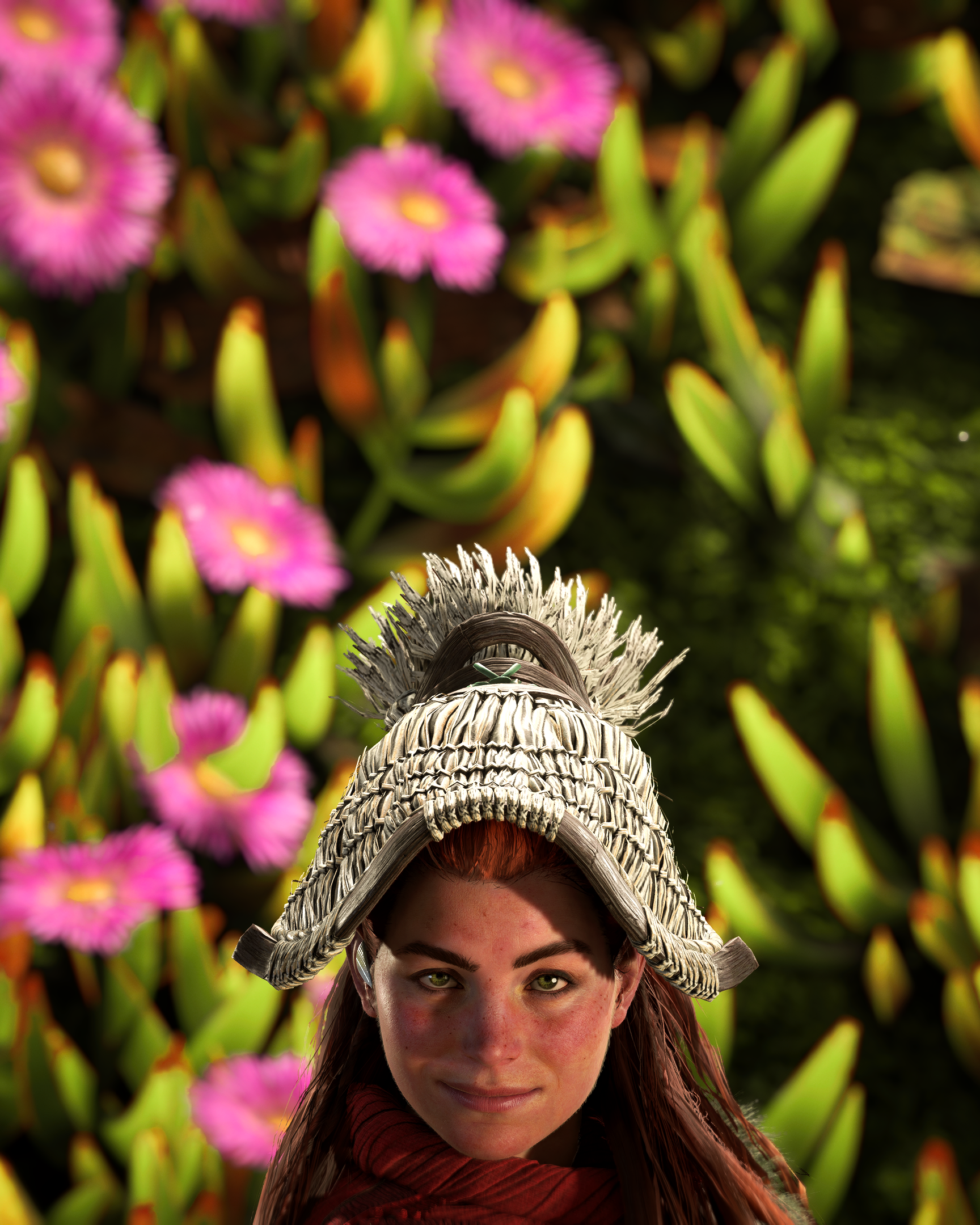
“Primavera” (Horizon Forbidden West)
Do you edit your captures heavily or make small tweaks?
“I mostly always make just tiny tweaks! I’ve never photoshopped any capture. I like increasing the contrast and saturation, but it varies, and I normally don’t change these if the picture doesn’t have washed colors or is already oversaturated.”
Approximately how much time do you spend editing on average?
“To edit a range of 20 pictures, it usually takes me 1 hour!”
Could you take us through your editing process? How do you usually approach it?
“Firstly, I check if the framing is adequate for social media, so I don’t need to worry about losing visible content afterwards. Then, I adjust the sliders (brightness, contrast, saturation, temperature) according to the capture. That’s basically it! I avoid overthinking during this process, given that oftentimes it makes me start disliking the capture that I liked while capturing.”
Do you have any editing tips or tricks for those who are just starting out or looking to hone their skills?
“I would say to keep the “vibe” and idea of your original capture as much as you can! Sometimes I get too excited in the editing process and end up oversaturating the photo that wasn’t supposed to convey that kind of feeling. For instance, it happens a lot while capturing during the morning or noon in-game, where I tend to make it warmer, while editing, than it was originally!”
Seeking Inspiration
How do you tackle issues regarding posting consistency? Do you ever feel pressured when you don't have a clear outline of when your next capture will come out?
“This is something I’ve been really having trouble facing lately! I always try to balance my capture sessions and my gaming sessions, but creativity and energy aren’t exact math. Sometimes, it just doesn’t work, so what I’ve been doing is just taking a break from what hasn’t been making me feel as excited as it used to! Regarding the pressure, yes, I do! I like to have everything organized, and I used to schedule my future posts in advance, so it’s been a bit difficult to deal with taking breaks.”
Are there any other challenges you've faced along the way?
“Yes, there are quite a few. The most remarkable one, negatively, is my puppy’s passing in 2025. I felt really demotivated at the time, and maybe it’s what triggered my current break.”
Many artists find it difficult to simply enjoy the games they used to play because they feel the need to capture every photogenic moment. You’ve already talked about this a bit, but to delve into this more directly, has virtual photography affected the way you play games as well?
“Yes, but in my case, I’d say it’s a bit more under control. After starting to do virtual photography, I’ve always felt like I could be capturing something interesting in photo mode, but I can (kind of) ignore it, switching my mental mode from VP to gaming, and still enjoy the game as I would normally!”
Do you have any advice for VP artists who are struggling to feel inspired?
“Try to capture that feeling that makes you enjoy the game in a PNG or JPEG format! Explore the photo mode features, do whatever is fun and special for you. And like I said before, creativity isn’t exact math, and you shouldn’t force it. Just “go with the flow”! If you can’t find inspiration for a while, it’s fine :)”
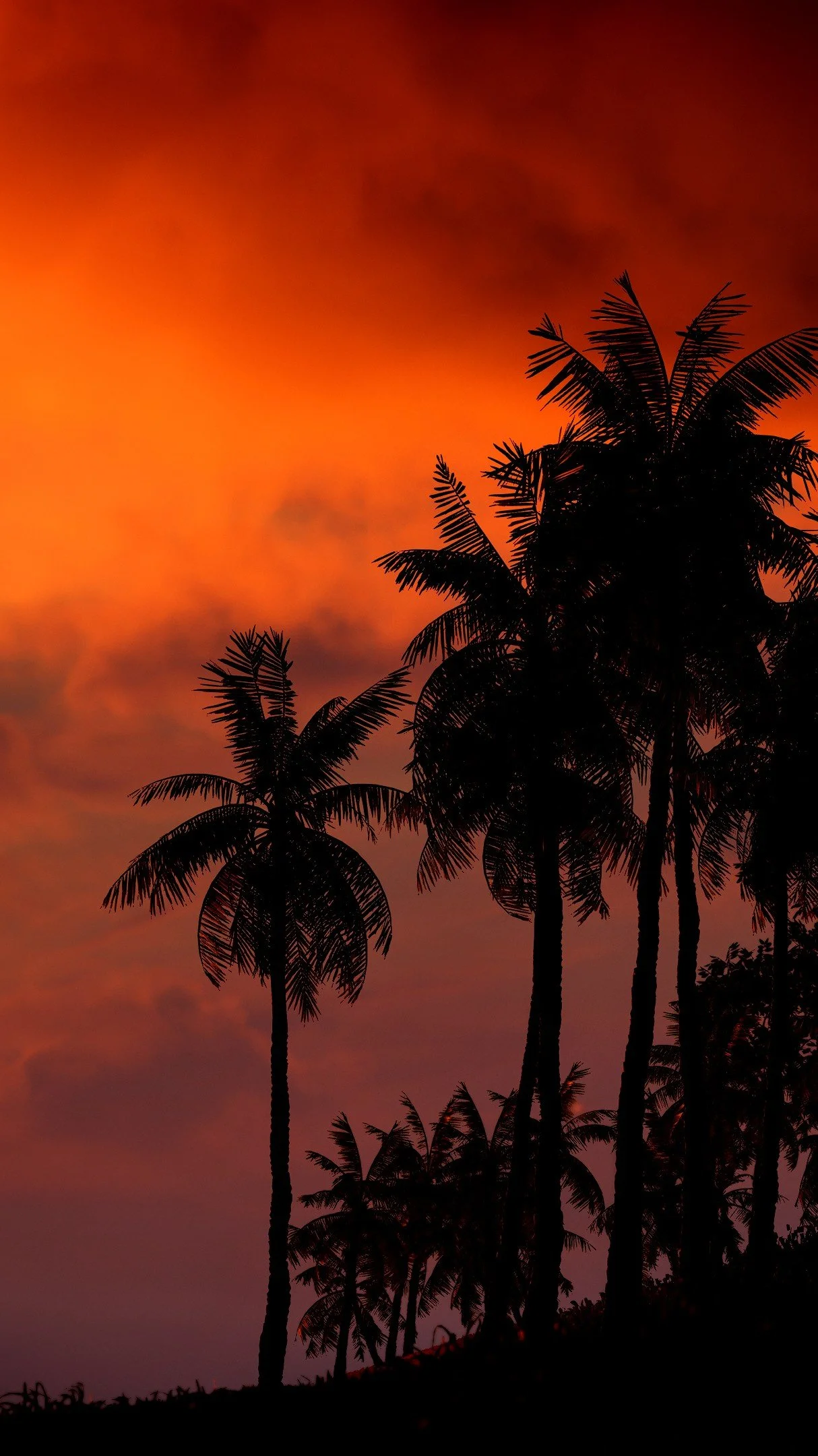
Sunset (Horizon Forbidden West)
Allies in Art
What does virtual photography mean to you?
“It is my main space to share what I love about games, taking inspiration from games and real-life aspects that I also like, with people who care about it. As my friend @leflawless75 told me once, I like to think of VP as a Saturday night where friends get together to play video games and talk about them!”
Are there any VP artists who have influenced your style or inspired you along the way?
“Yes, absolutely! The first virtual photographs I ever saw were from Paulina (@hzdworld), and after seeing her fascinating gallery, I fell in love with VP immediately! And of course, there are lots of friends that I can’t even mention here without flooding the interview, who inspired me in various ways, be it with marvelous works of art and with such incredible support.”
What kind of captures from other artists tend to catch your attention the most?
“Noir and minimalism! They catch my attention because I usually capture and focus on what is supposedly the opposite, with a lot of details and colors. There’s a beautiful talent behind conveying such a feeling with almost no details and only 2 tones!”
You've taken part in some collaborations with fellow artists in the past. How do you approach them? Do you find it difficult to synchronize with another person's ideas and style?
“It really depends! Sometimes we have to take some time and give it a few tries to match the energy, but sometimes our styles just fit together perfectly! Also, at times, we just want to have a diversified collab; in these cases, this is completely fine. Overall, it isn’t a problem!”
The community hosts many events and challenges. Have you taken part in any of them? How would you describe the experience? Do you plan or wish to host any events of your own in the future?
“Yes, I participated in “To the Shores” and “Gaia Challenge” in 2023 and in “The ABCs of Horizon Zero Dawn” and “30 Days in Focus” in 2025. They all really inspired me at the time and were all remarkable, not just because of what I’ve already mentioned but also because of the incredible (and super creative) amount of work that everyone contributes during these challenges! Hosting an event is an incredible idea, so why not?! Probably yes!”
You've been recognized by Guerrilla Games on multiple occasions. What is your fondest memory of the developers interacting with your work?
“It’s definitely when they first shared my photo in 2023. I couldn’t believe it when they asked me (in my post comment section) to share my work on their official page!!! It was like getting the platinum trophy in VP.”
What is your favorite aspect of the virtual photography community?
“It’s the commitment and care that everyone feels towards each other, without a doubt. I’ve never seen anything like this before in my life, not even in long-term friendships with people that I know in person! And there’s a fantastic side effect to being part of the community: everyone who joins in feels inspired to be kind as well, promoting a safe space like no other.”
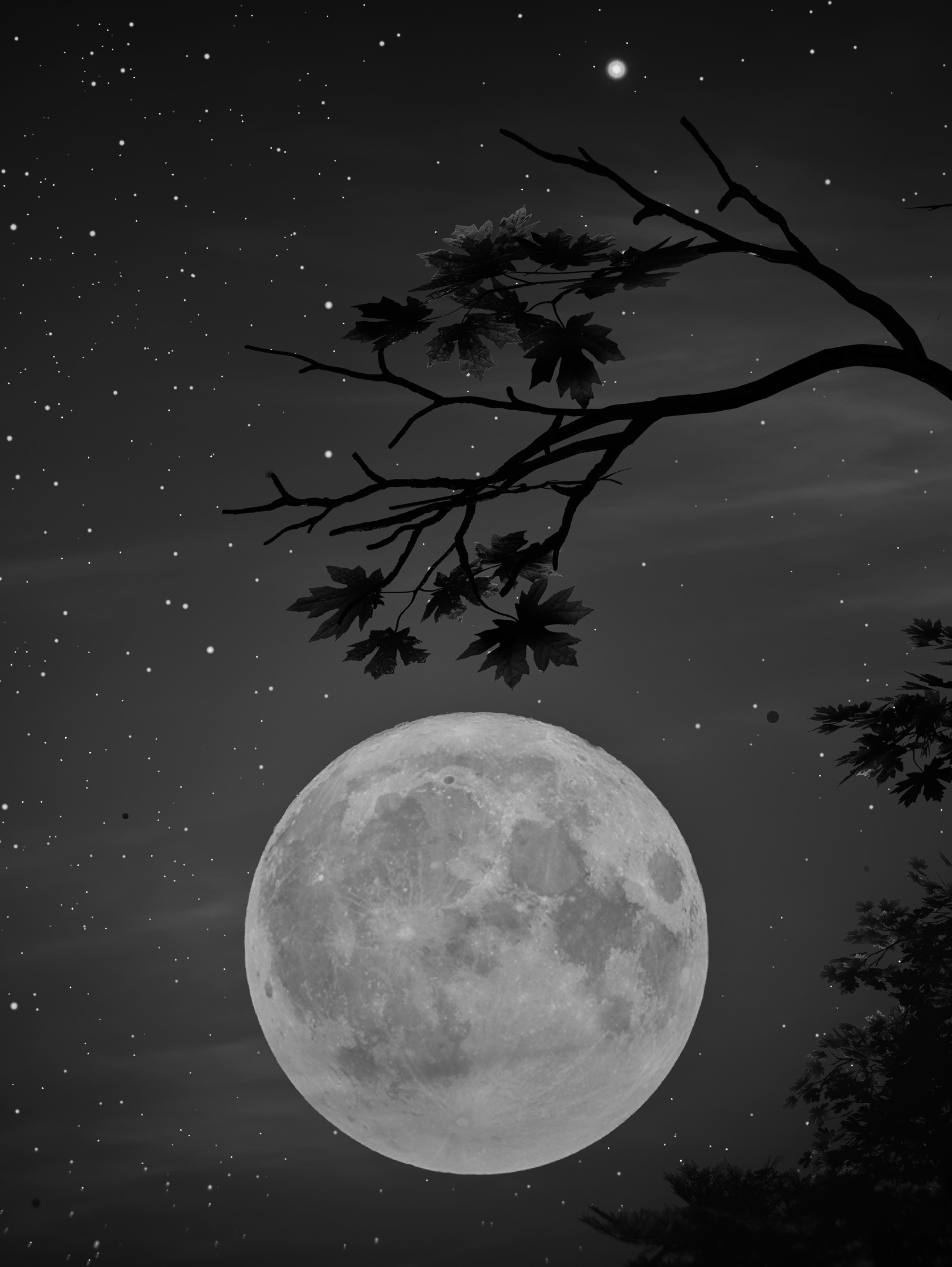
Moon Days (Horizon Forbidden West)
Save & Exit
Caique is one of the first people I met when I began my journey in virtual photography, and naturally, one of the first friends I made within the community. Watching his growth over the past (almost) two years has been nothing short of awe-inspiring. I still remember the first time I came across one of his sunset captures; I was completely taken aback by its sheer beauty. Even now, I can confidently say it remains one of the most stunning pieces I’ve ever seen. Everything about it felt unforgettable: the warm hues of eventide, the striking silhouette, the way light and shadow seemed to exist in perfect harmony. It was, and still is, so distinctly Caique. To me, he will always be the Sunking himself (forget Avad). XD
Caique, thank you for being so open in sharing your work and the passion that drives it. I’m truly sorry that your journey hasn’t been without its challenges, but I’m equally grateful to know that you faced them with the support of those around you. I hope you’re finding peace and rest during your break, and that when you return, it will be with renewed inspiration, creativity, and the same radiant energy that makes both you and your work so special.
Article by: Ella (StrawbElla)
Photography by: Caique (caique.vp)
Featured games: Horizon Forbidden West © Guerrilla / Sony Interactive Entertainment
Love is a Long Road (Horizon Forbidden West)

In the Spotlight: Cover Me in Sunshine Winners
It brings me great joy to present the winners of this month’s theme, Cover Me in Sunshine, alongside Sill (@sill_vp), whose radiant and uplifting captures played a vital role in bringing this theme to life. Through her work, the warmth, softness, and vibrancy of sunlight were beautifully depicted, perfectly capturing the essence of what this theme set out to express.
The winners, in turn, have embraced this vision and reimagined it through their own unique perspectives, each piece offering something distinct and memorable. From radiant color palettes to thoughtfully conveyed moods and stories, their creations are not only visually captivating but also rich in atmosphere and meaning.
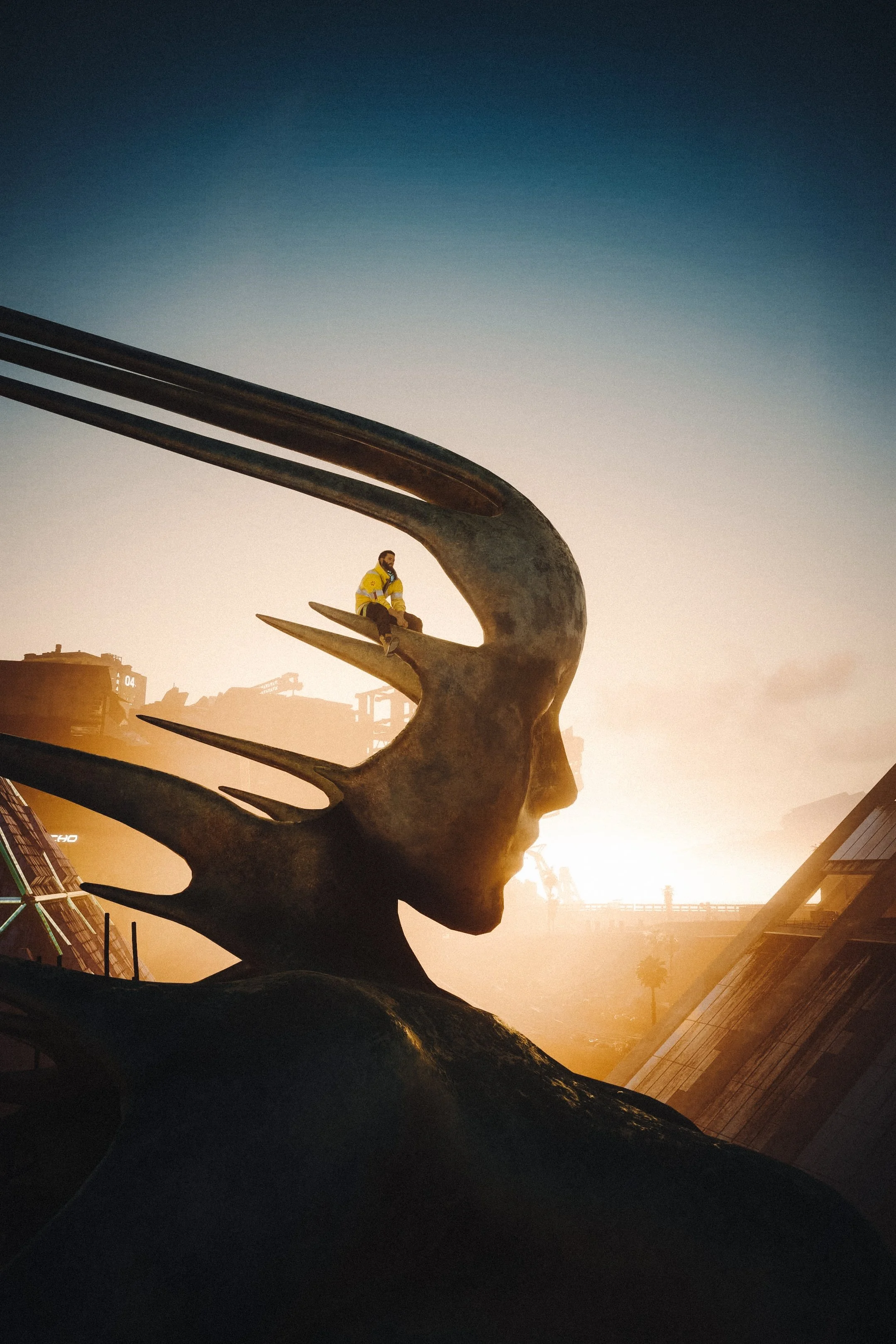
Night City is a place of crushed dreams, yet dreamers persist nonetheless. Even in darkness and despair, there is hope. As cliché as it sounds, a sunrise still stirs something deep within. – David (@spideroftsushima)
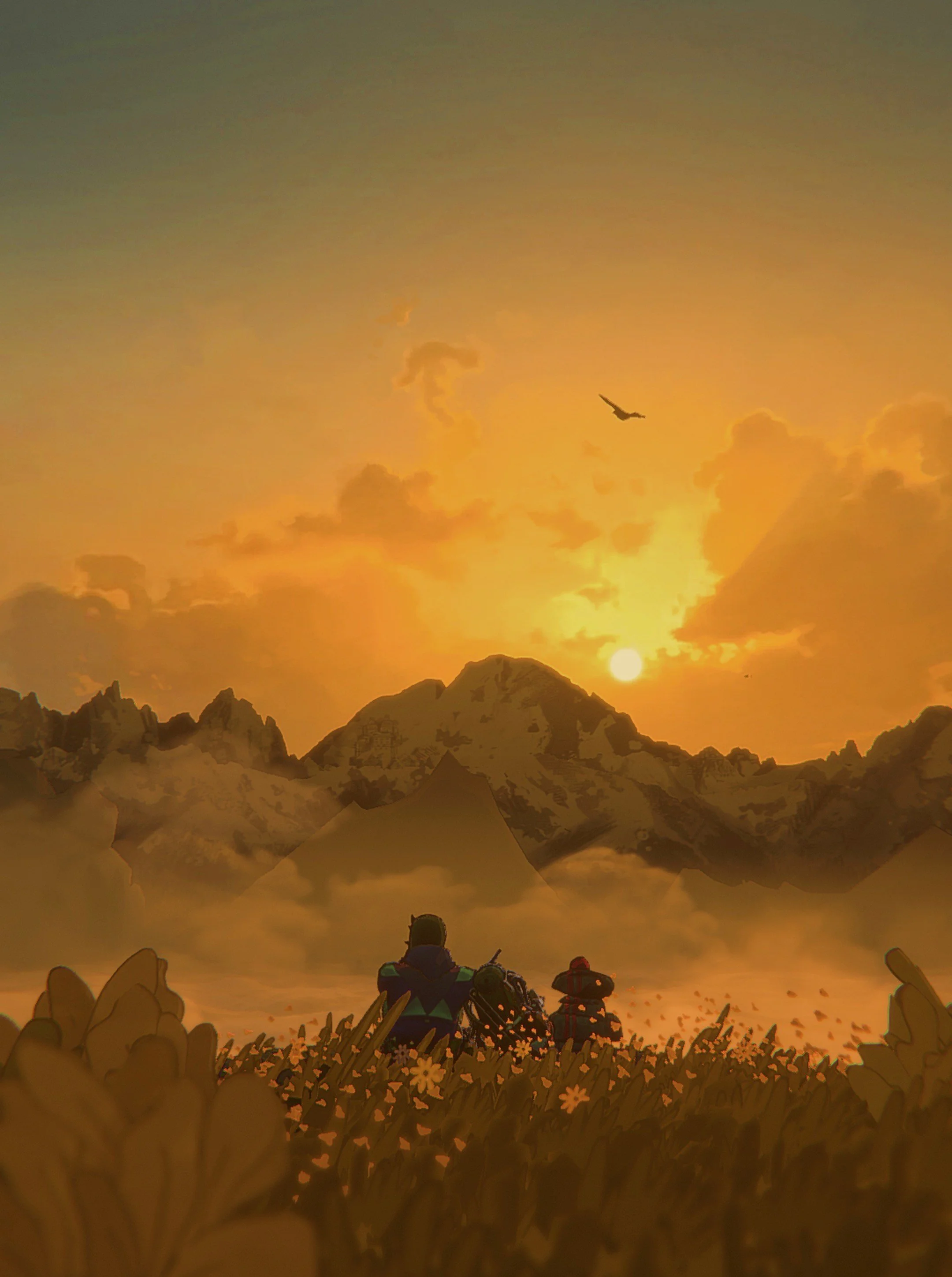
As a West Coaster, I would be remiss if I didn’t capture sunsets in nearly every game I play. Even here, in this make-believe world, the golden hues peeking out of the clouds feel like home. – Ari (@deadeyecaptures)
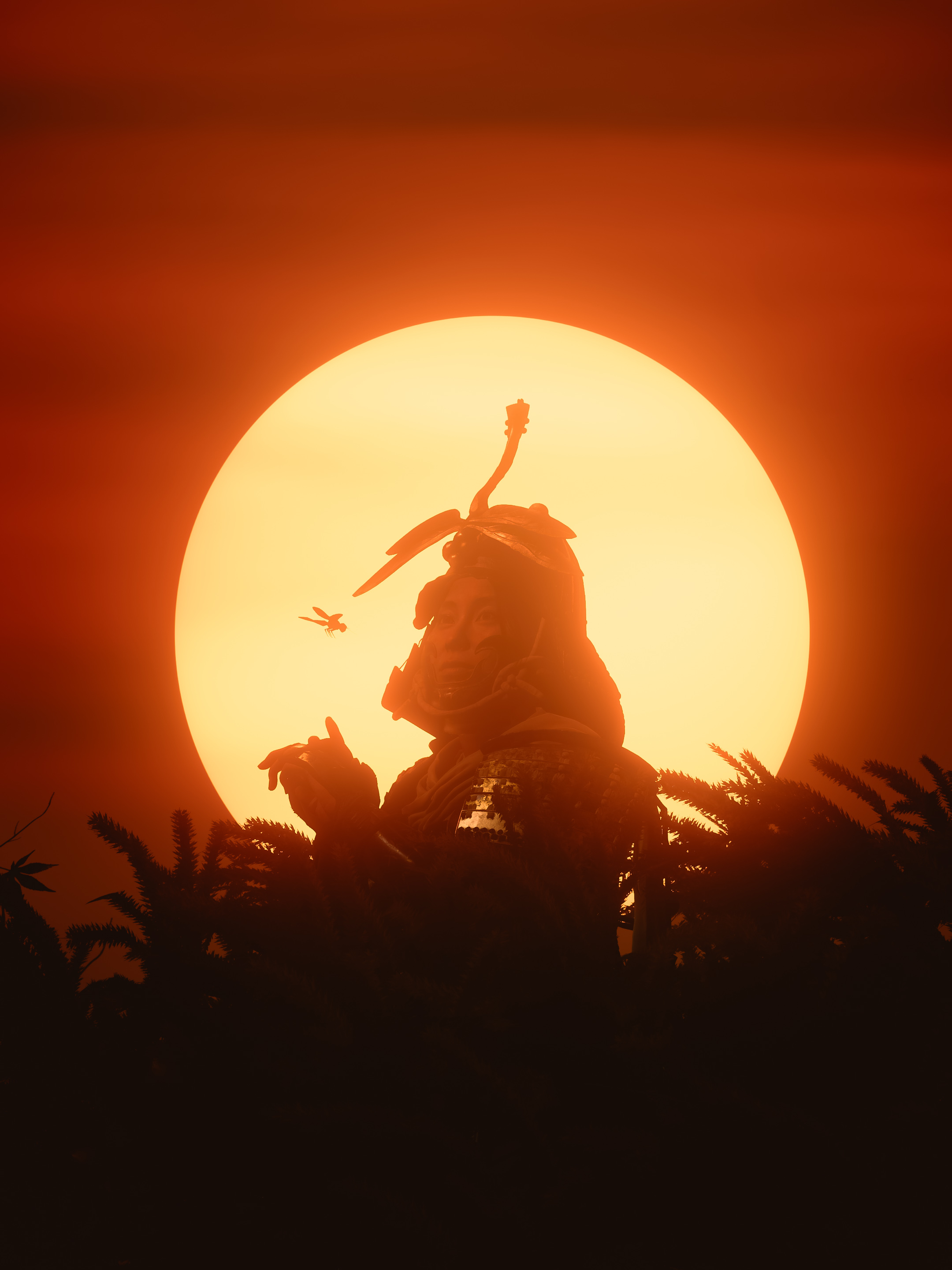
There's always something magical about the sunsets for me. I can't wait to feel the warmth of the sun on my back. – Nimmu (@niinakaniin.vp)
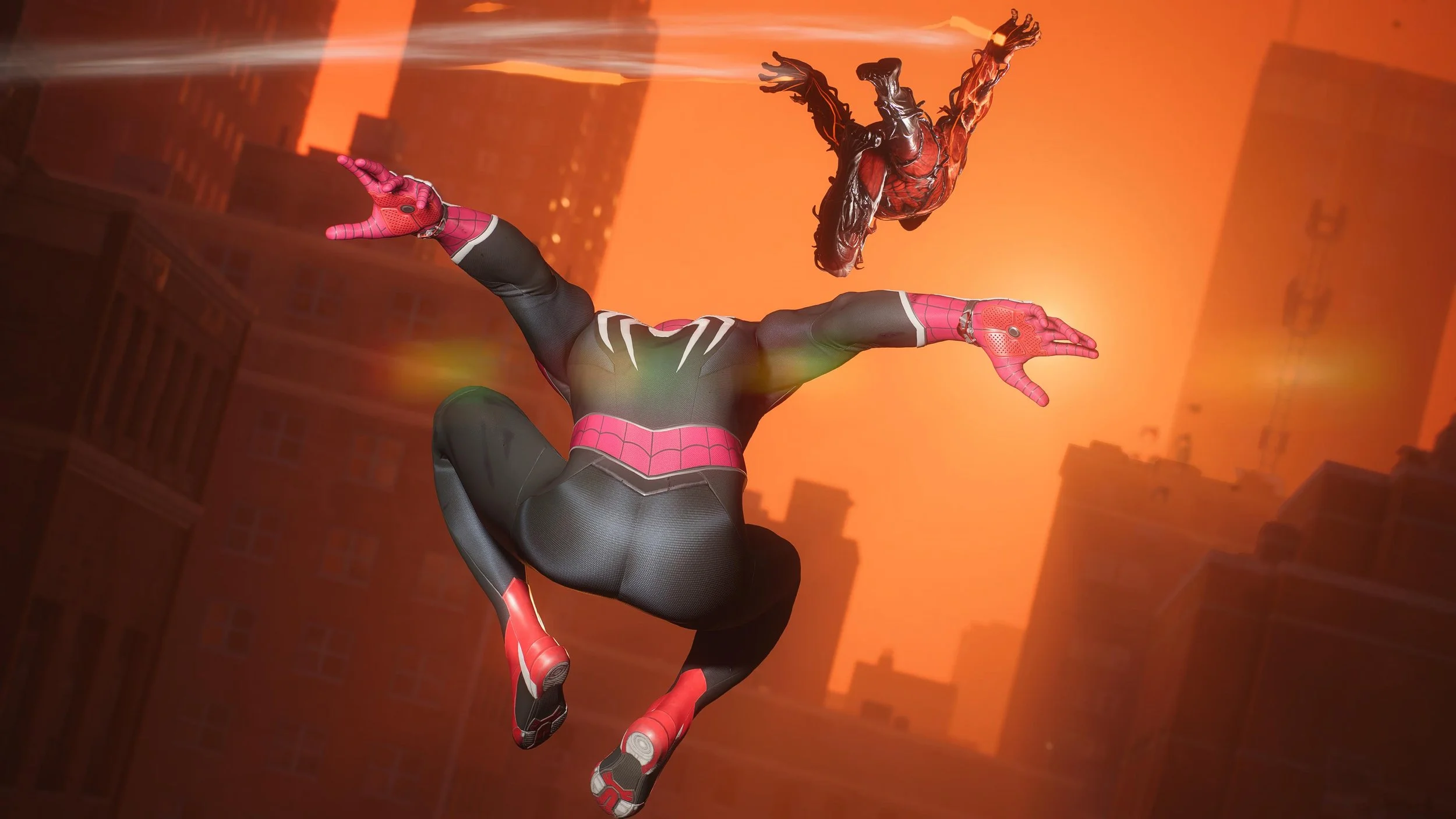
Oh, sunshine covering me in the cityscape, guide me into a Brand New Day. – Mr_Normandie (@mr_normandie)
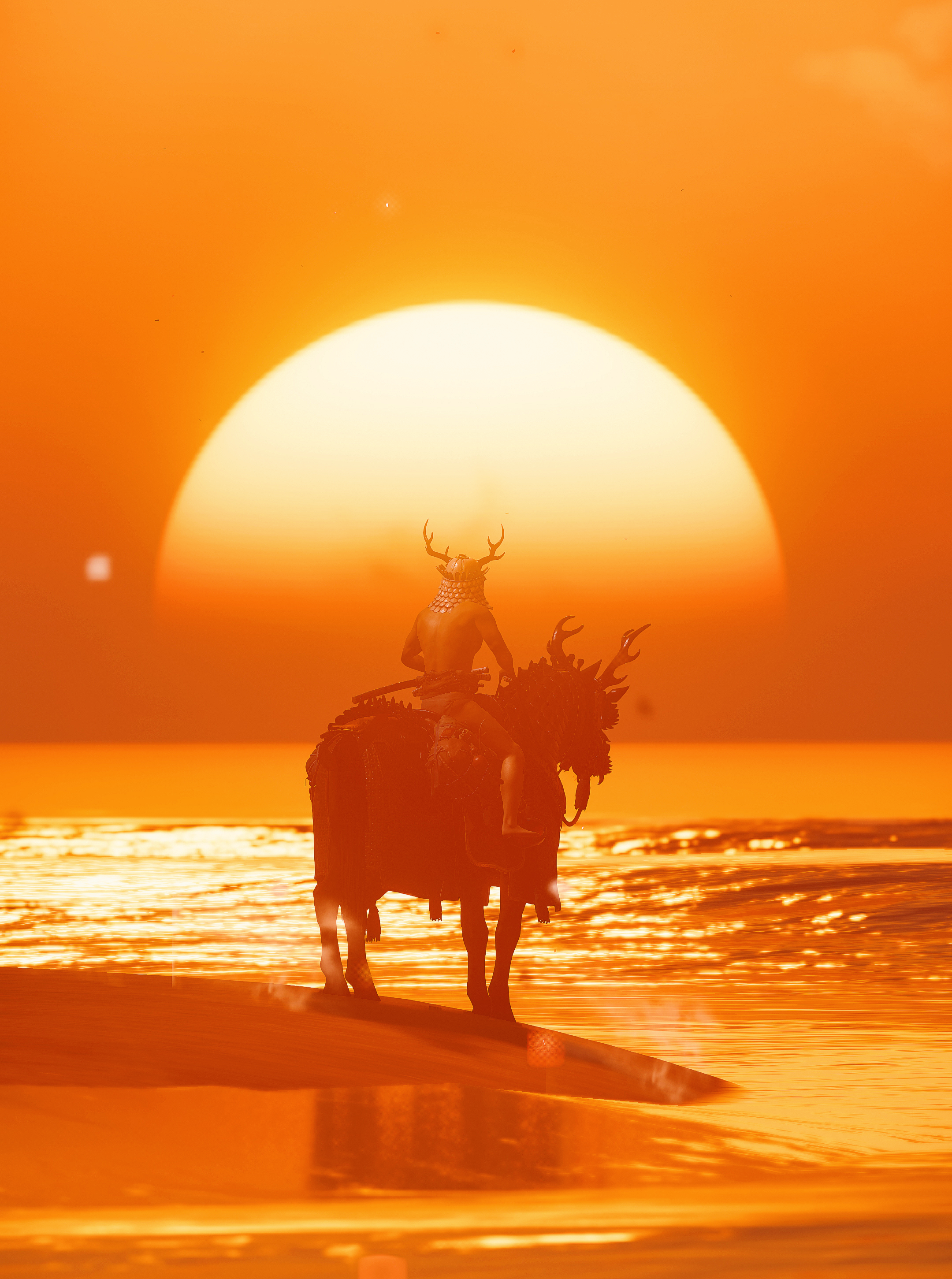
"I'll send you all my love..." – Sill (@sill_vp)
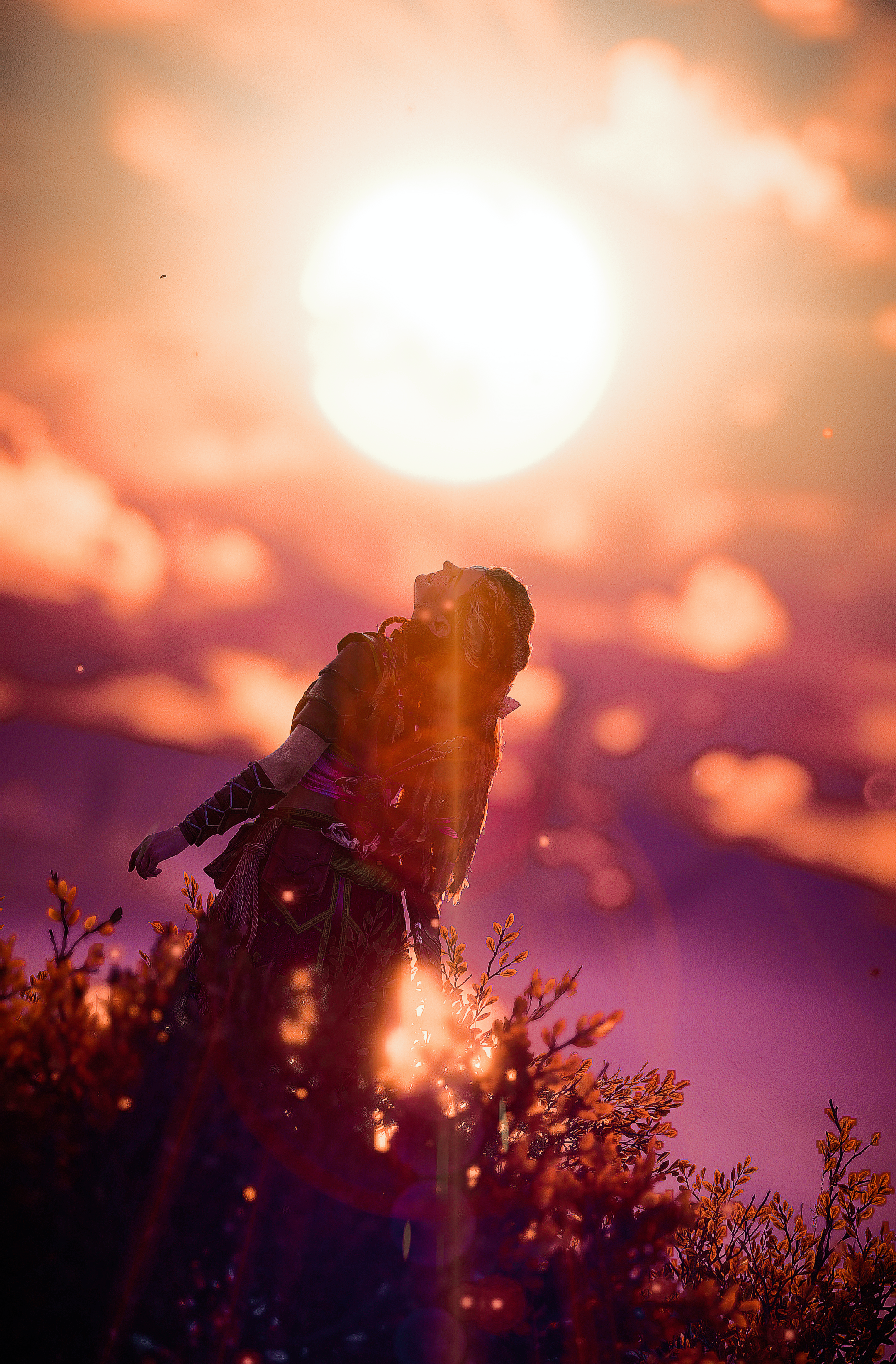
"You're sunshine on my skin..." – Sill (@sill_vp)
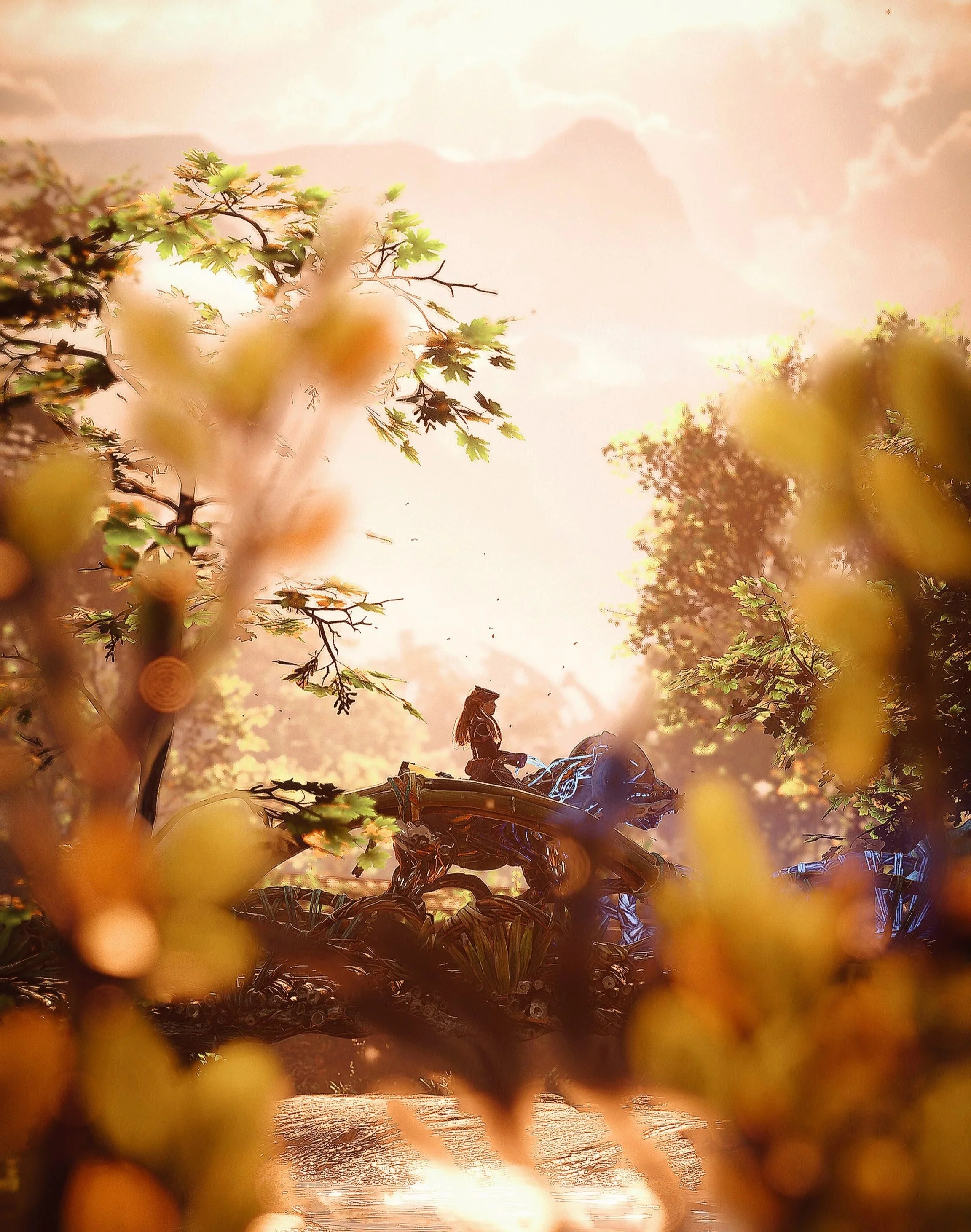
"Learn to love" – Sill (@sill_vp)
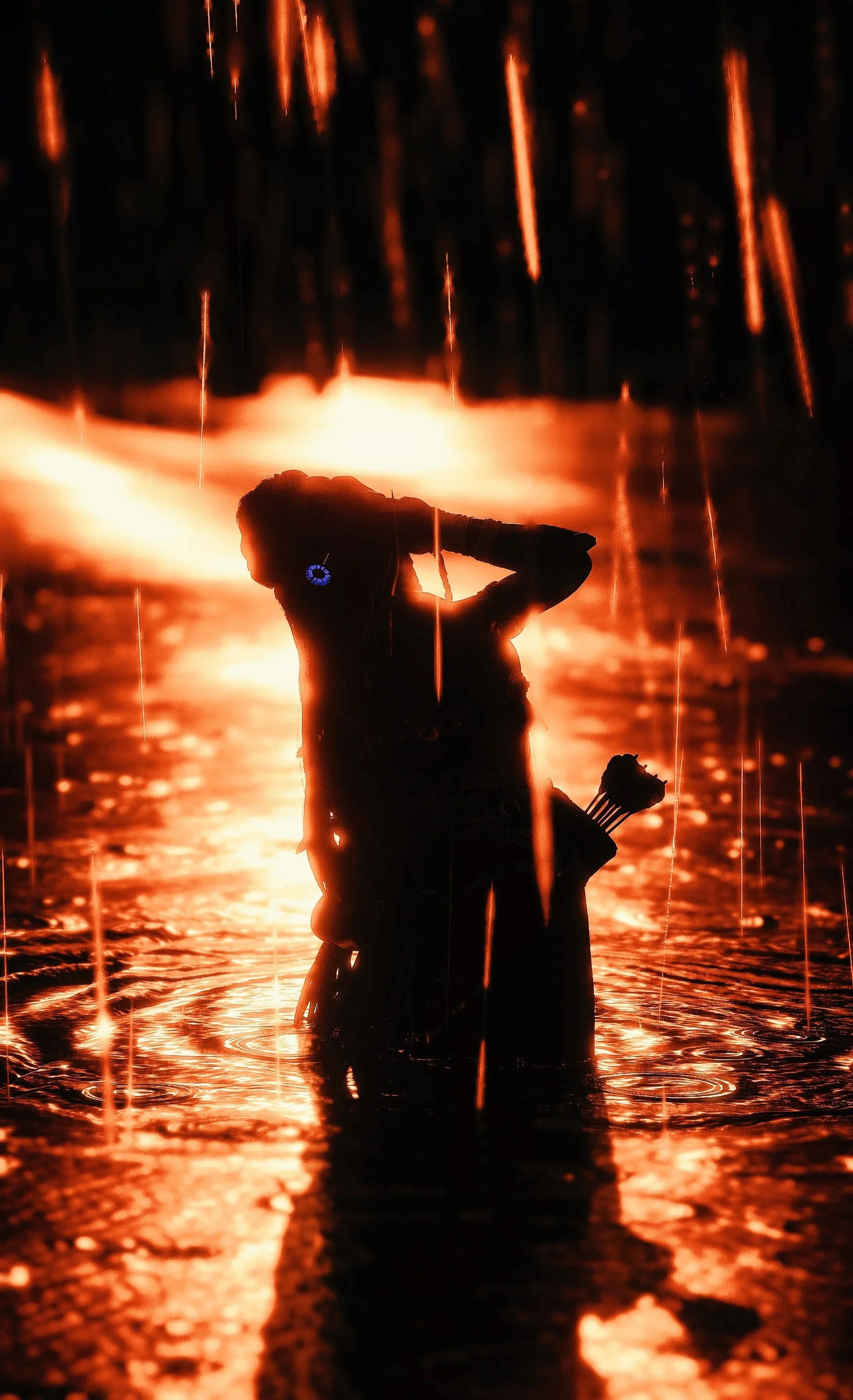
Golden Raindrops – Sill (@sill_vp)
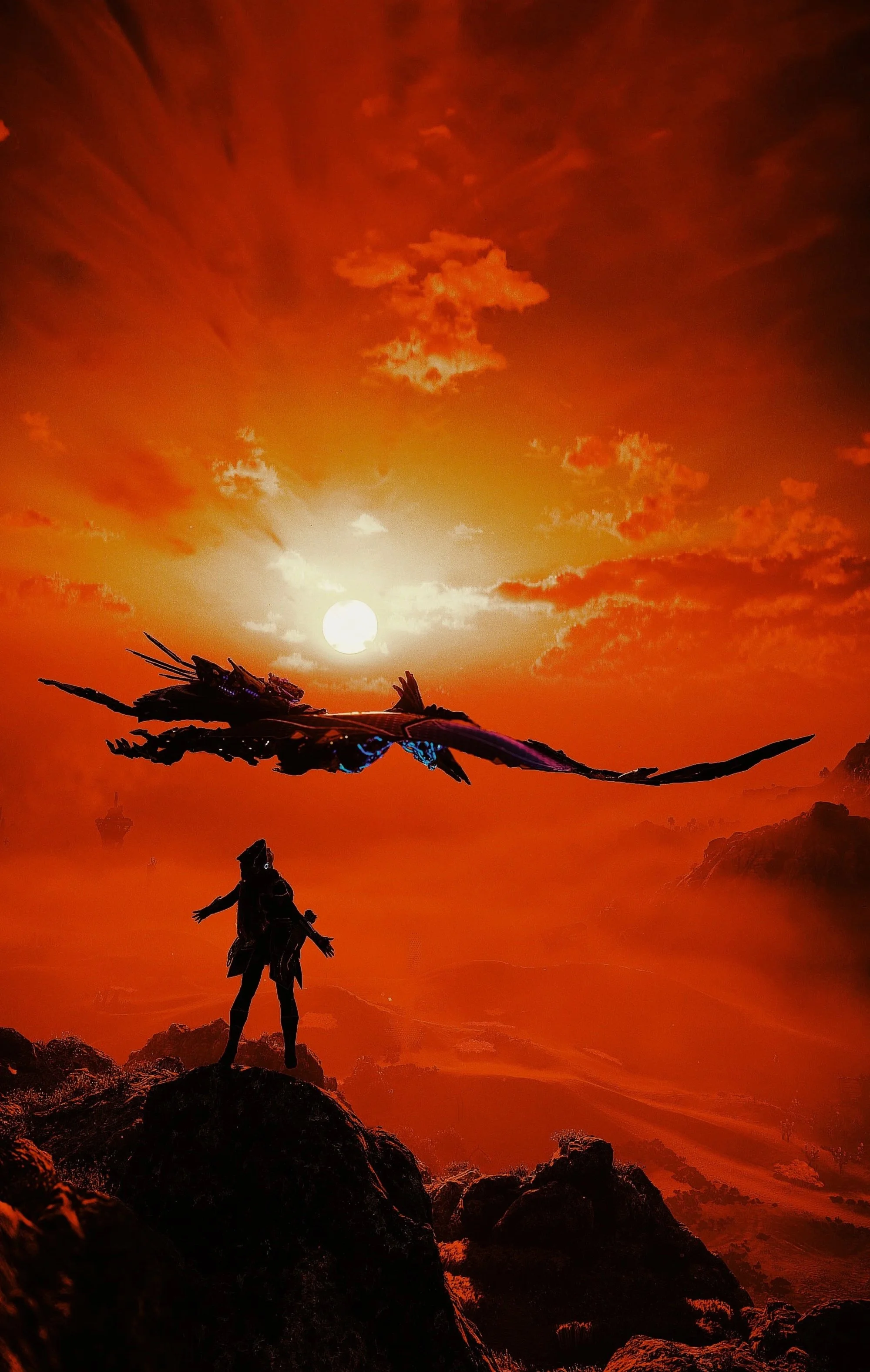
"...Burn for you..." – Sill (@sill_vp)
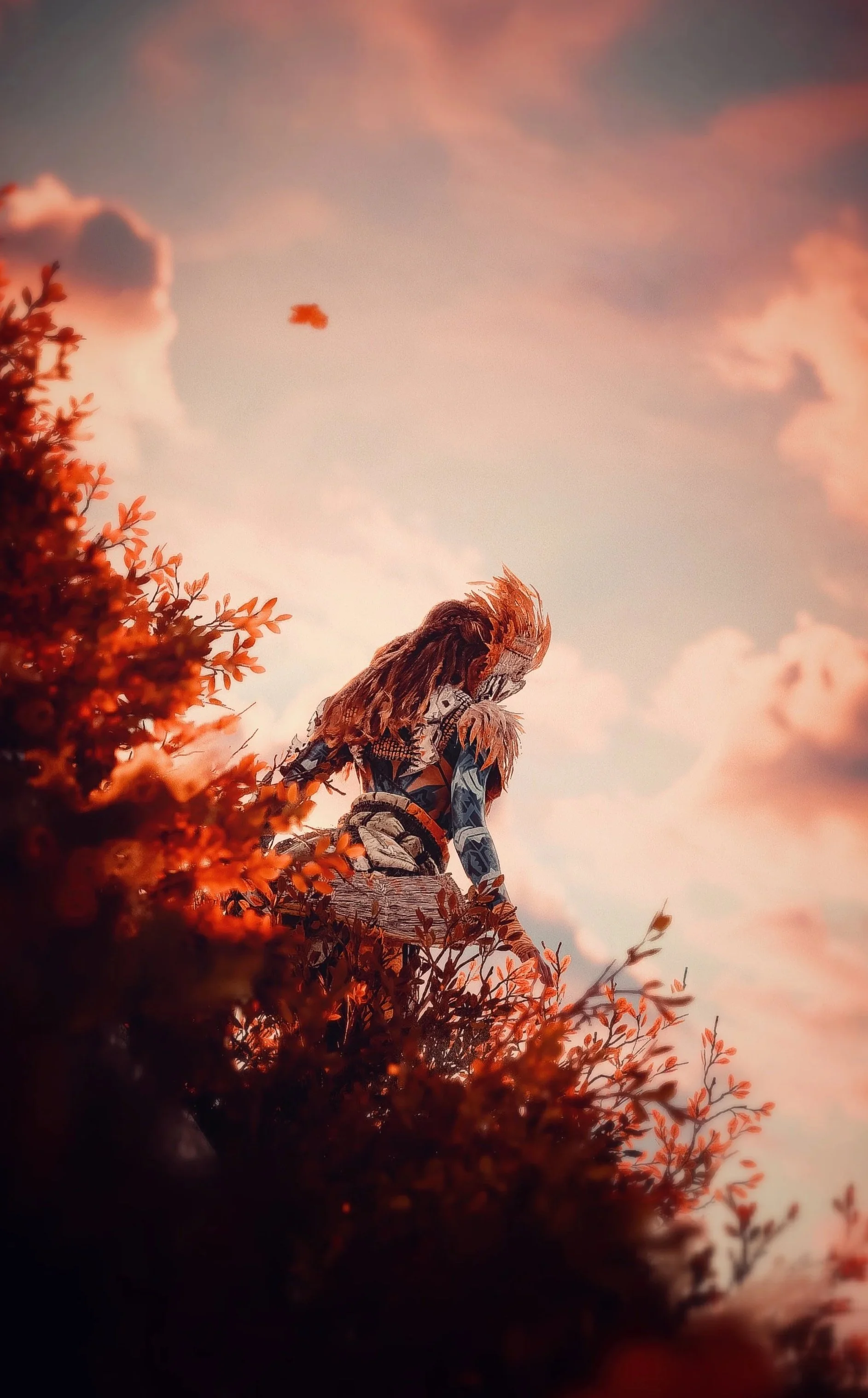
Orange Hues – Sill (@sill_vp)

Patch Dispatch: Running with the Wolves
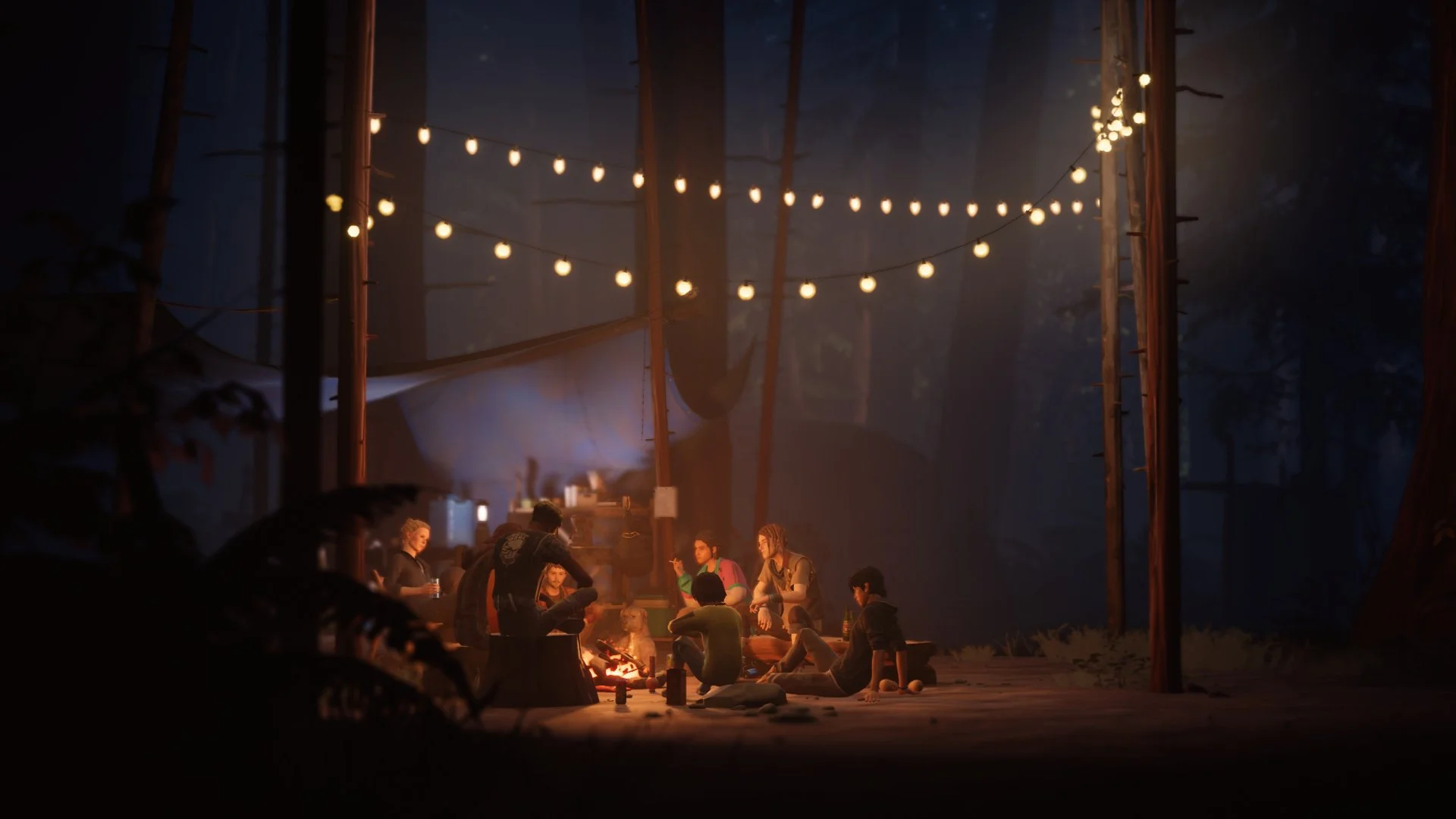
It’s time to travel eight years into the past and dive into Life is Strange 2, though only figuratively, because we’re not all Max Caulfield. ;)
A heads-up on what to expect: powerful storytelling, a road trip that quickly turns into survival mode, and a brotherhood dynamic that hits harder than anything you might have left back in Arcadia Bay. There’s also emotional damage (the good kind… usually) and at least one choice that will linger in your head at 2 AM. Enjoy!

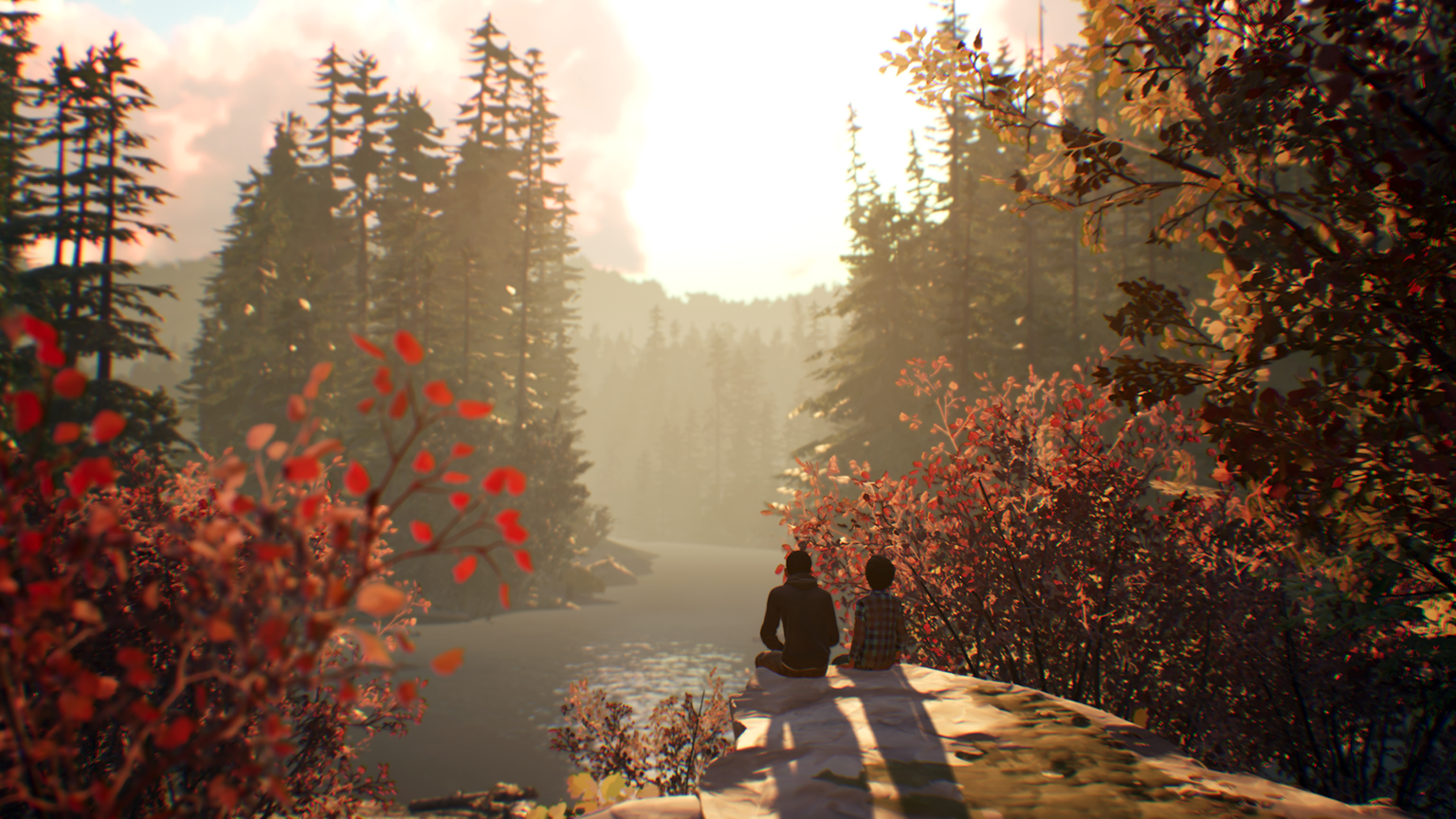

Introduction
Since the newest Life is Strange installment was only just released last month, it feels like the perfect time to look back and appreciate the roots of the series, and more importantly, the prequels that didn’t quite get the spotlight they deserved. One that immediately comes to mind is Life is Strange 2, a game that, in my opinion, remains quietly overlooked despite its depth in message. I finished it not long ago, and to say it left me emotionally wrecked would be an understatement, which is saying a lot, especially after the emotional aftermath of the first Life is Strange, something most fans of the franchise know all too well. So, let’s talk about why Life is Strange 2 deserves a bit more love.
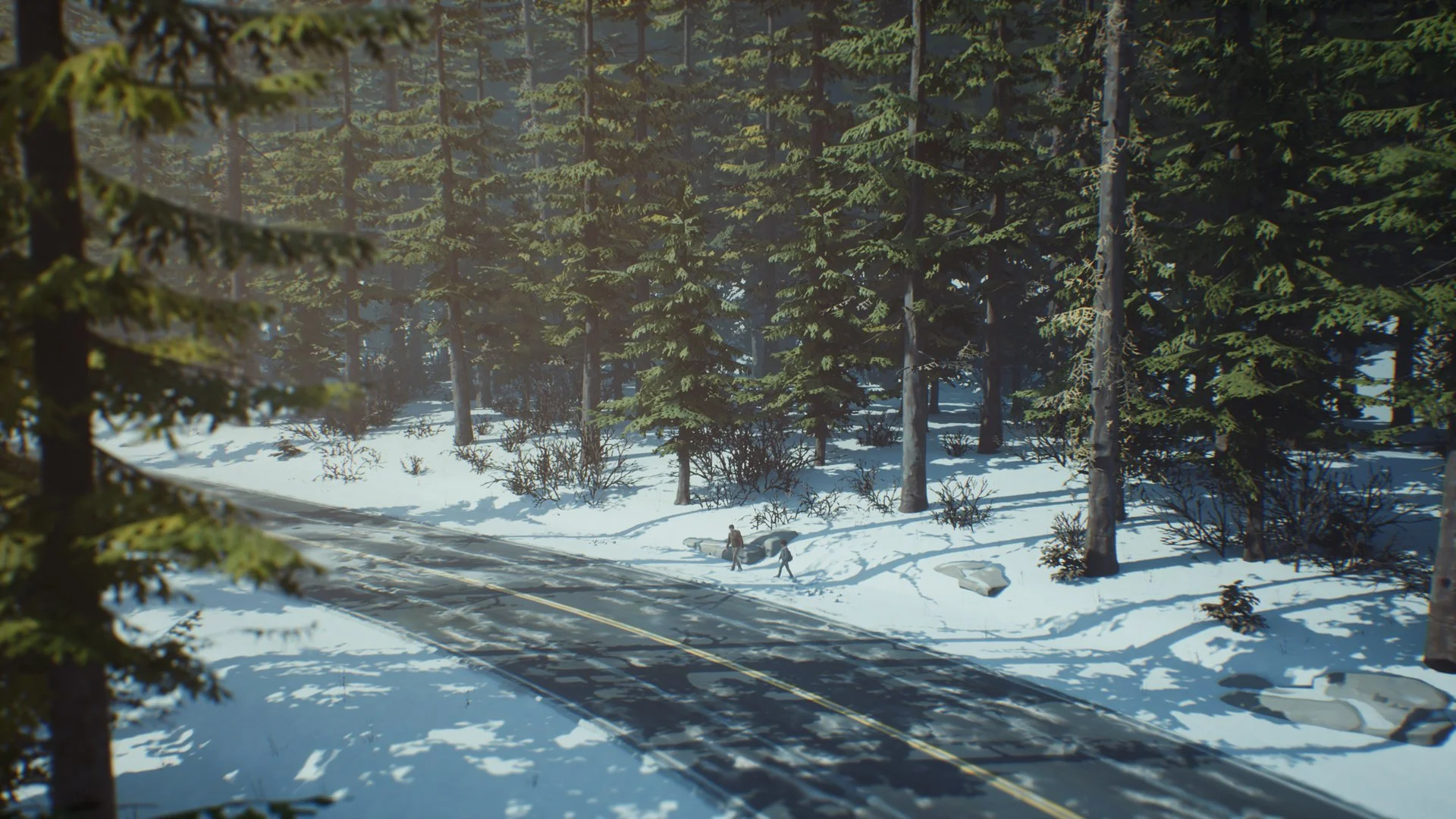
Roads: Eight Years Down the Line
To start with something that feels almost superficial, yet is anything but, I want to talk about time. I promise I won’t get too theoretical with it, but it is strange how quickly it slips by. 2018 doesn’t feel that far away, and yet here we are, nearly a decade later, somehow still pretending that was “not that long ago.” Because it obviously wasn't. It's been 3 years tops.
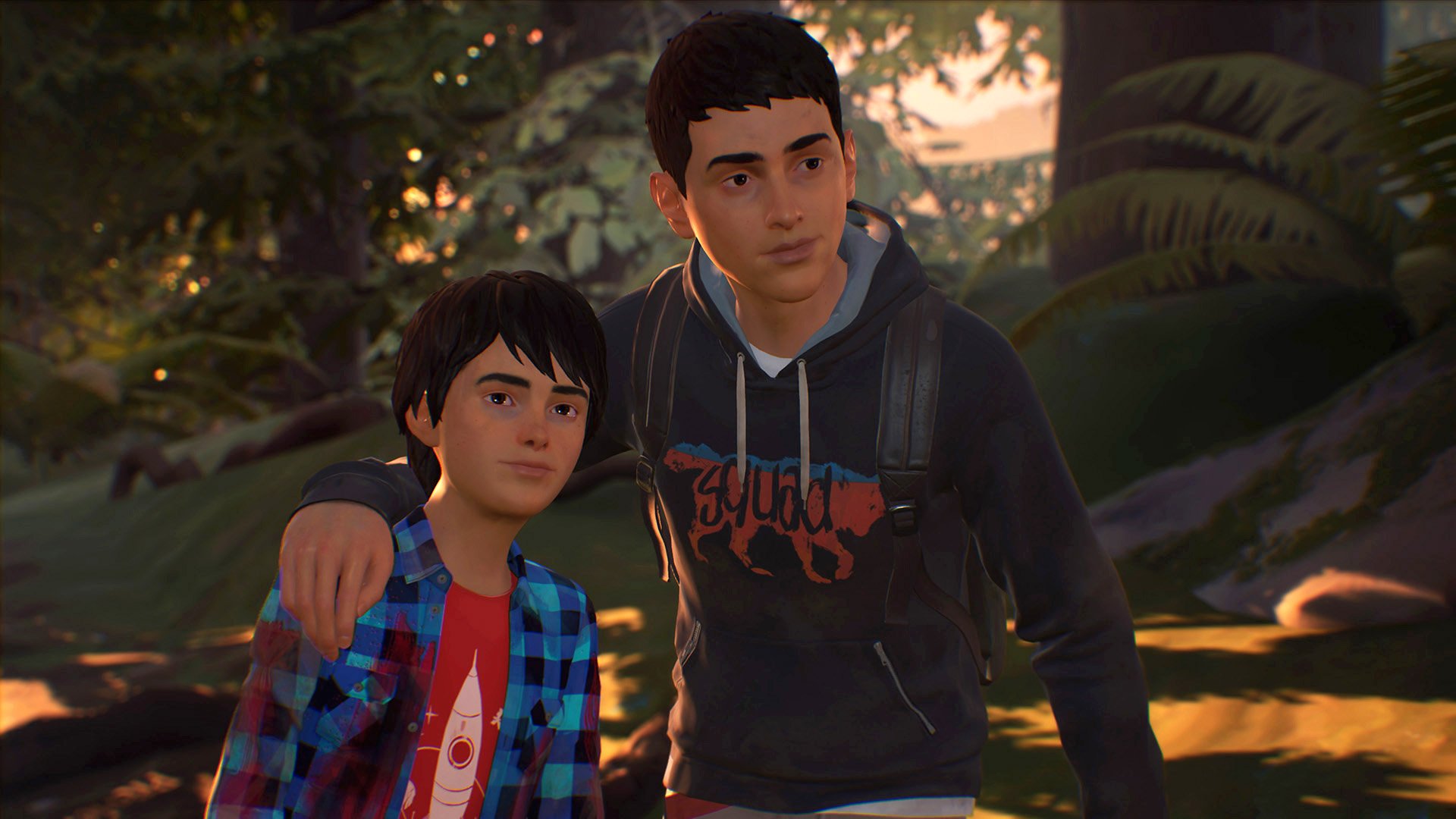
In all seriousness, though, that's when Life is Strange 2 was first released, eight years ago now, alongside massive titles such as Red Dead Redemption 2, Marvel's Spider-Man, and God of War. It was a stacked year, the kind where so many releases drop at once that half of them deserve awards but end up silently fighting for attention in the corner. And while Life is Strange 2 doesn’t aim for the same kind of hyper-realistic graphical fidelity as those blockbuster releases, it doesn’t need to. Instead, it leans into something far more distinctive: an almost painterly, slightly hazy visual style that feels entirely intentional rather than outdated. There’s a softness to it, a kind of visual “blur” that’s almost impressionistic in quality. Compared to the newer installments in the franchise, which lean more toward realism, this approach carries a nostalgic charm that’s surprisingly difficult to replicate. It feels less like you’re watching reality unfold and more like you’re remembering it, if that makes sense. XD And in a game so deeply rooted in emotion, perspective, and consequence, that slight distance from realism actually works in its favour. It makes everything feel a little dreamlike, a little unstable in a way that mirrors the story itself. Like reality is always just slightly slipping out of focus, only to pull you back in at the exact worst (or best) possible moment with one of those so-called “deus ex machinas” that make you sit there staring at the screen with eyes wide open.
Rules: Are There Any?
Before you even step into the story, Life is Strange 2 does something small, but what it accomplishes is, to me as a fan of the franchise, incredibly meaningful and worth mentioning: it asks about your final choice in Life is Strange (1). It’s such a subtle touch, but it immediately reconnects you with your past decisions, even though the games aren’t really directly connected, and you don’t need to have played the first one to understand the events of the second. Still, it adds this sense of continuity and a genuine weight to your past actions, which is something the series has always handled beautifully, grounding even its standalone stories in a shared universe. It doesn’t rely on direct sequels or recurring protagonists to feel connected; instead, it builds on the idea that choices don’t just impact individuals, but rather everyone and everything around them, even across different lives, different roads, and different stories.
And that idea, of consequences following you, unseen but ever-present, feeds directly into the tone of Life is Strange 2. Because this time, there is no going back. No rewinding. No undoing the decisions already made. Something that feels deceptively simple at first, but becomes increasingly heavy the longer you play. After the first game, where control over time becomes a sort of safety net, this shift feels discomfiting in its finality. You can’t test outcomes anymore. You can’t “correct” mistakes. Every choice carries the story onward, whether you’re ready for it or not. Even the supernatural element (the ability tied to Daniel) this time doesn’t “belong” to you in the same way. It has to be guided, shaped, and restrained. It isn’t a tool for fixing things; it’s something you have to live with, and more importantly, teach someone else how to live with, too.
That alone changes the emotional rhythm of the game. In a series where players are usually given some form of narrative control or correction mechanism, Life is Strange 2 removes that comfort entirely and replaces it with responsibility. You’re not just reacting to consequences, you’re anticipating them, sometimes long before they even arrive. And that creates a very different kind of tension: not the urgency of “fixing” a moment, but the slow realization that you’ve been shaping something irreversible all along.
Without spoiling too much for anyone who hasn’t played it, Life is Strange 2 takes a markedly different approach to storytelling compared to its predecessor. Where the first game centered on friendship, time manipulation, and the ripple effects of personal decisions, this installment shifts its focus toward survival, responsibility, and the quiet, crushing weight of growing up far too fast. It’s impossible not to draw comparisons to other choice-driven narratives like Detroit: Become Human, where decisions branch into vastly different outcomes, but LiS2 ultimately feels more grounded in something less “cinematic” and more human, even realistic, as funny as that may sound. The impact is less about altering the world around you and more about reshaping the relationship at the center of it.
And that unpredictability of human nature is exactly what makes it hit so uncomfortably close to reality. Real life rarely offers a means for decision-making with clear consequences etched into stone. And Life is Strange 2 mirrors that feeling incredibly well. It resists the temptation to gamify morality too explicitly, instead letting you sit in uncertainty. You’re rarely told if you’re doing the “right” thing, which, even if a tad stressful, adds to the game's charm and overall appeal. In that sense, the game doesn’t feel like a problem to be solved, but a situation to think about, not just by using logic, but empathy as well.
Wastelands: Where Survival Redefines Innocence
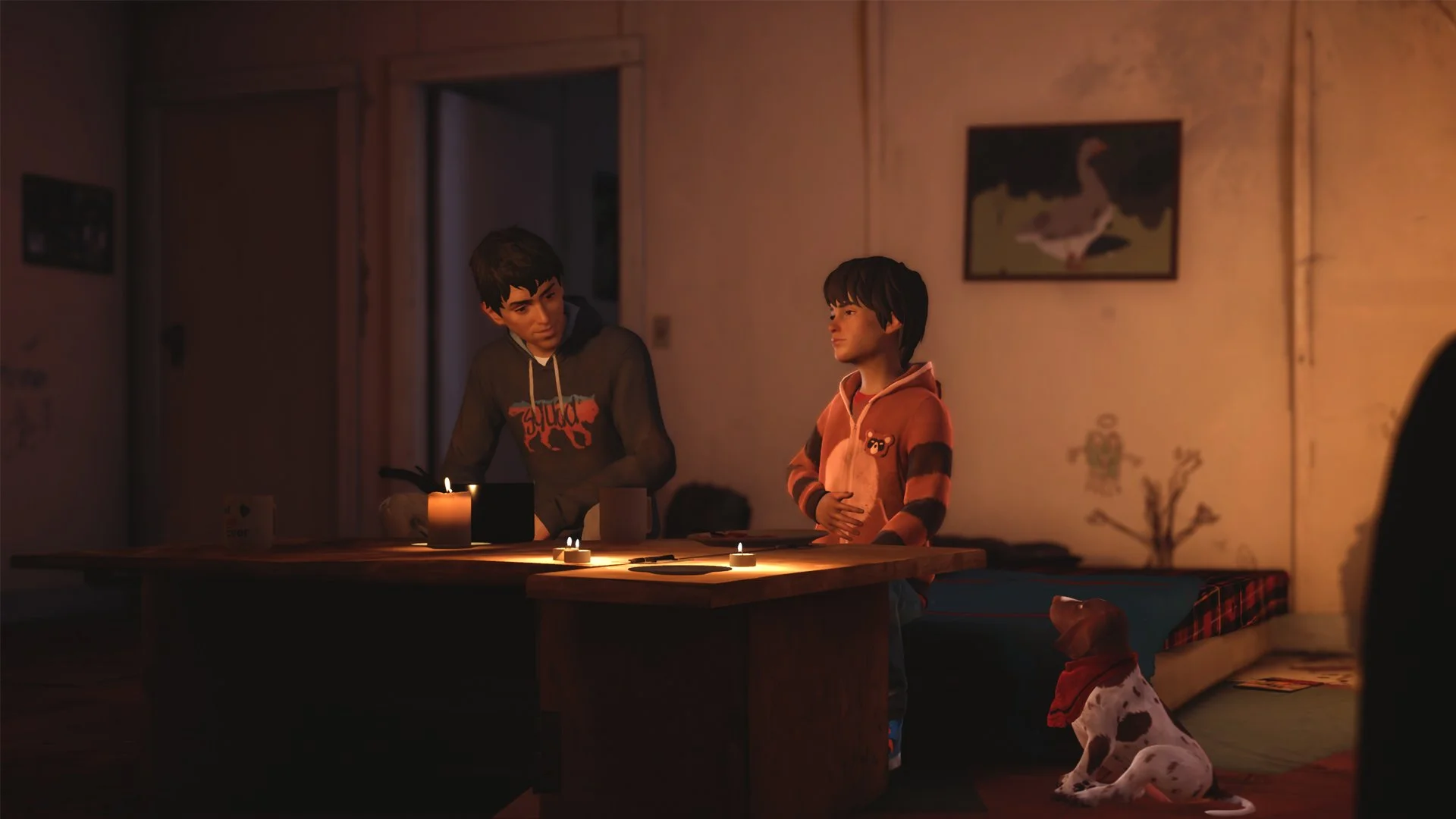
At the heart of it all are the two brothers, Sean and Daniel, whose relationship forms the emotional backbone of the entire adventure. It’s handled with a level of care that feels painfully real. Sean, only sixteen, is abruptly thrust into a role he is nowhere near prepared for, forced to make decisions not just for himself, but for someone who depends on him completely. Daniel, just nine years old, is still trying to make sense of a world that becomes increasingly hostile and difficult to navigate.
What makes their dynamic so compelling is how naturally it evolves over time. Your choices don’t just influence events around them; they shape the people they become. Daniel, in particular, feels less like someone you’re controlling and more like someone you’re actively influencing. He observes everything, absorbs it, and reflects it back in ways that are often uncomfortably revealing about your own decisions. It creates this lingering sense that there is no such thing as an insignificant moment.
Watching them change throughout the story – gradually losing pieces of their innocence as they adapt to circumstances no child should ever have to face – is both inspiring and devastating at once. There’s a quiet tragedy in how quickly they’re forced to grow up, how survival begins to outweigh everything else. Moments of warmth between them never fully disappear, but they become increasingly fragile, constantly interrupted by fear, exhaustion, and uncertainty. That tension, between love and fear, trust and survival, is what makes their journey feel so deeply human (and occasionally makes you pause like, “okay… maybe I should have chosen literally any other option back there” after seeing the statistical probability of the outcomes at the end of each episode).
What truly elevates the narrative, however, is its willingness to confront real-world issues without softening them. Themes like racism, prejudice, and social injustice are woven into the story. They are raw, and yet, to me, they never feel forced or performative. Instead, they emerge “naturally” from the places the brothers travel through, the people they encounter, and the situations they are thrown into.
This is where the game becomes especially powerful: you don’t just observe these moments, you experience them. The discomfort they create is, in my opinion, almost necessary. It pushes you to sit with situations that are uneasy, to consider perspectives outside your own, and to recognise how fragile understanding between people can be. And Life is Strange 2 never tries to smooth these realities into something more digestible. Instead, it presents them as they are: complicated and often deeply unfair.
That is where its emotional impact really settles in. Experiencing even a fraction of that fear, uncertainty, and tension through a game creates a level of empathy that is difficult to reach through more traditional storytelling. It asks you not only to reflect on what is happening, but also on how it feels to be on the receiving end of it. It’s been about two months since I finished LiS2, and I still find myself reflecting on its message often. The developers deserve immense credit for handling such sensitive themes with care.
“All I can do now is fight for you.”
Faith: Learning to Let Go of Control
To continue on from that sense of emotional pacing and reflection, there’s another layer to how the game shapes your experience beyond just story and choice.
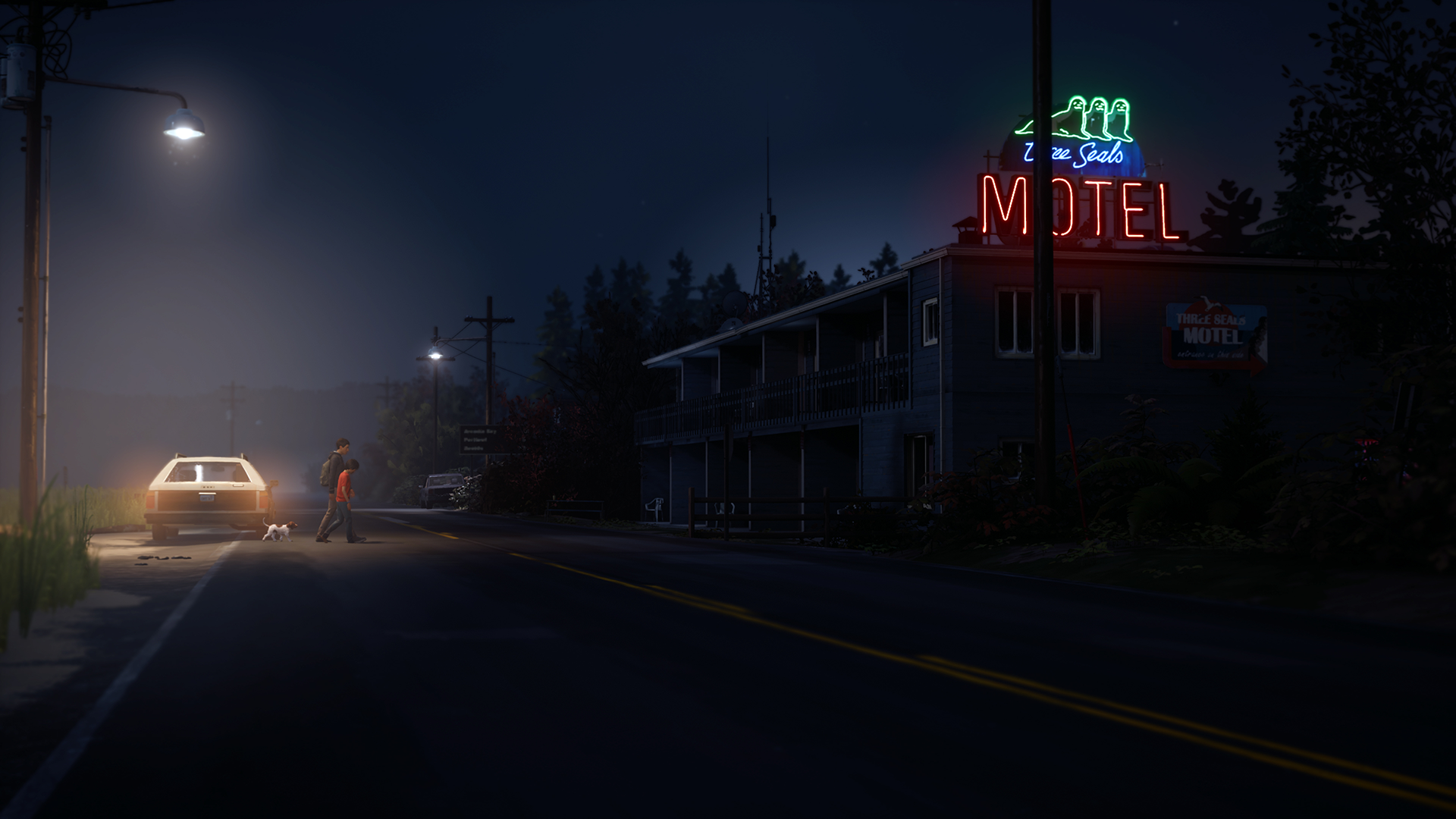
While the game ironically doesn’t have a dedicated photo mode in a series so closely tied to photography and visual storytelling, that doesn’t take away from the beauty of Life is Strange 2. If anything, it reinforces the fleeting nature of the moments you experience. You can’t capture everything, no matter how much you might want to, which hits a little too close to home in this digital day and age, where we’d probably take a screenshot of our own memories if we could.
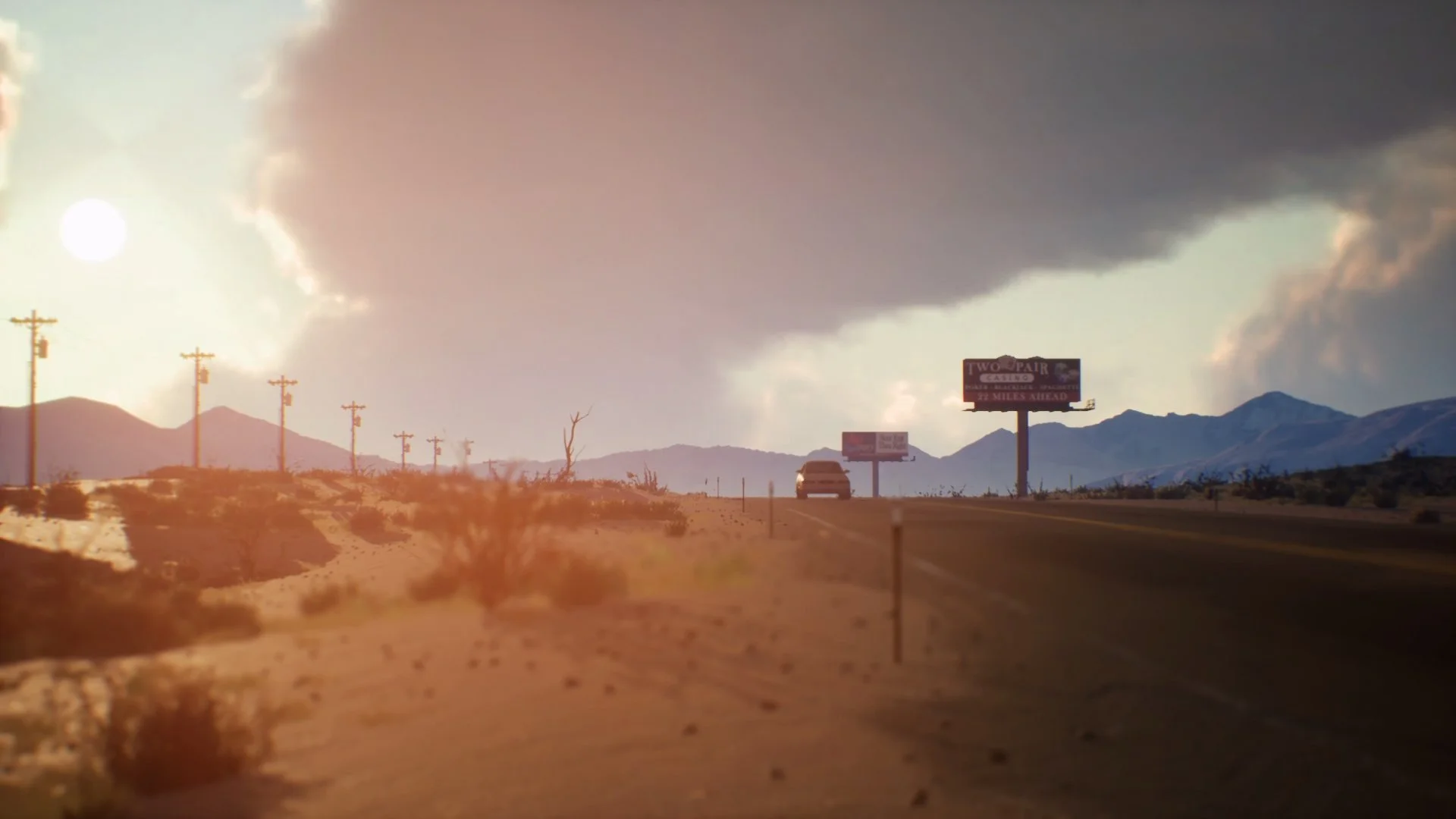
The environments themselves carry that same philosophy as the story does. Vast forests and empty roads often appear peaceful at first glance, but that calm is never long-lasting. However, to fully enjoy the game, there is also an element of trust involved – trust in your own decision-making. Without that, the experience can become a tad stressful at times (though that might also just be me getting way too emotionally invested in fictional people I am technically responsible for). With it, though, the journey opens up in a more reflective way, and I’m not even joking when I say it has genuinely made me more decisive in real life. Apparently, the secret to personal growth is being emotionally blackmailed by a video game about “road trips” and trauma. :’)
And then there’s the music, one of the series’ most consistent emotional anchors. While nothing quite matches the impact of Spanish Sahara as the ending of the first game, Life is Strange 2 builds its own identity through a carefully chosen soundtrack that complements the narrative beautifully. What I love most is how often the music is paired with slower, more cinematic sequences. The game frequently steps back during these moments, giving you space to absorb what is happening. It’s less about interaction and more about reflection, like the game is politely saying, “Shaka, brah!”
In those sections, it stops feeling like a game in the traditional sense and leans closer to a movie, which I have to admit provides a very necessary emotional breather between moments of constant decision-making. Honestly, sometimes I think the real gameplay loop is just: 1) make life-altering choice, 2) panic, 3) listen to cool indie music, 4) recover emotionally, 5) repeat. But I say that with love and admiration, of course.
Wolves: Still Running
Overall, there’s no real way to hide it; I truly love this game. Life is Strange 2 has left a lasting imprint on my mind. In any case, and with a little bias fully acknowledged, if you haven’t played it yet and you’re even slightly into story-driven games, I can’t recommend it enough. Just maybe don’t go in expecting a chill, cozy experience. It looks peaceful enough, and then you actually play it and realise you’ve been emotionally adopting two fictional children, making life-altering decisions under pressure for the past couple of hours, or, if we’re being realistic, a week straight. XD
It does ask a bit more from you than your average game, not in a difficult gameplay sense, but in attention, patience, and emotional investment, which, unfortunately for me, I apparently have in abundance the moment pixels are given even a hint of emotional depth. At that point, my brain goes, “Ah, yes, these digital people are now my responsibility,” and suddenly I’m treating dialogue choices like they’re real-world diplomatic negotiations with consequences I will be thinking about for the next three business days.
And while I do occasionally try to downplay it when recommending it to friends and family, something along the lines of “yeah, it’s just a nice story game, very chill”, that description only survives for about fifteen minutes before the plot politely kicks the door down and reminds everyone involved that, no, this is actually an emotional endurance test.
But underneath all of that, it really is something special. It doesn’t demand that you love it; it just places you inside a story and lets it unfold around you, or more so through you. It stays with you long after you’ve closed the game, leaving you fulfilled in this bittersweet way, thinking: "Life really is strange."
Article by: Ella (@StrawbElla)
Photography and video from: Life is Strange 2: Press Kit, provided by Square Enix
Featured game: Life is Strange 2 © Square Enix