2026
Game Frame Magazine
Virtual Photography
GAME FRAME




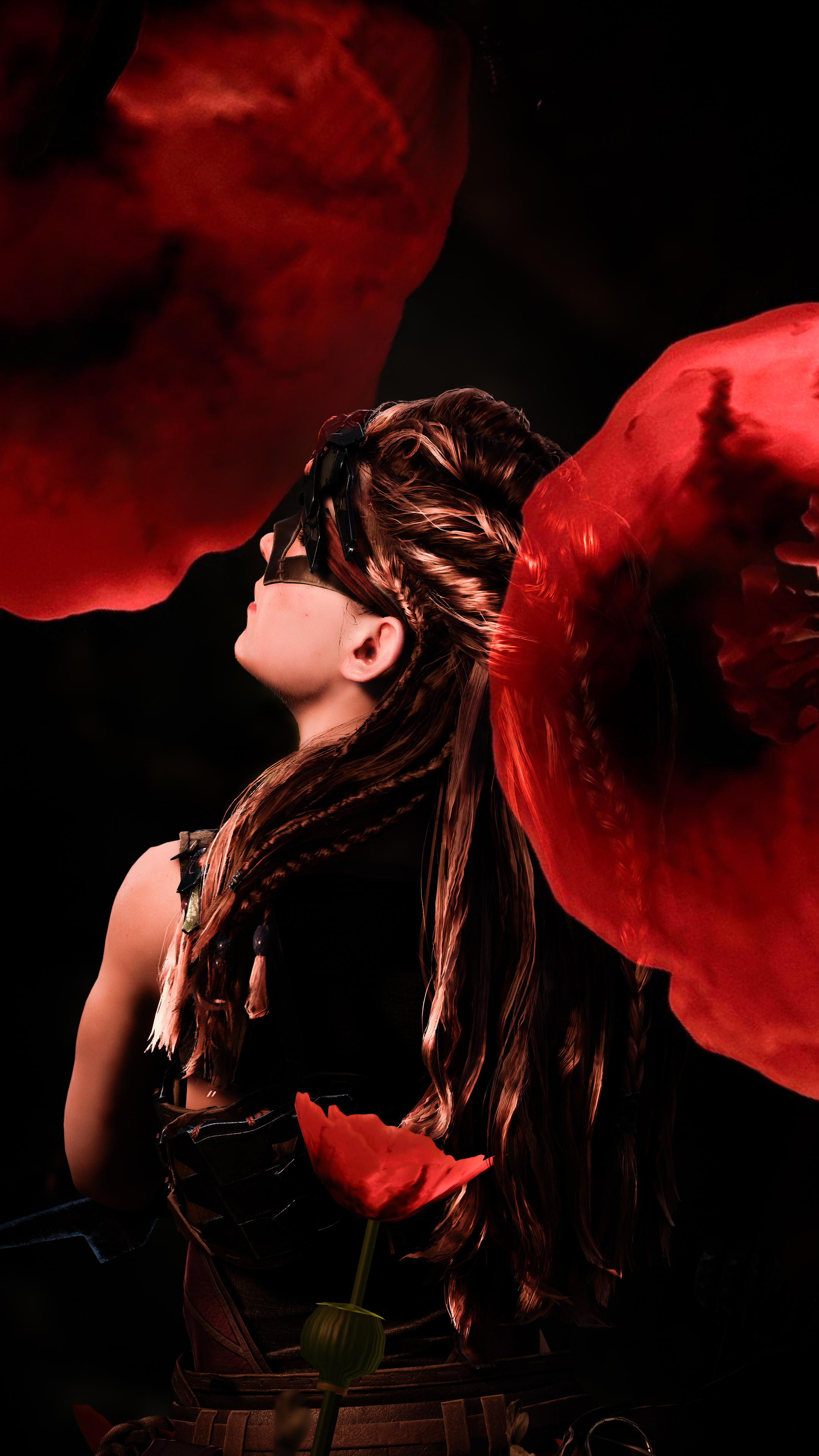
February - Crimson Reverie
Capture by: Sill (sill_vp)

As we near the end of February — the month of budding love — I warmly welcome you to the newest issue of Game Frame Magazine, an edition that honours the season through heartfelt captures. Filled with flowers, they awaken a sense of warmth and quiet anticipation in us, as their delicate blooms remind us of how precious small moments can be. February invites us to reflect on these different expressions of beauty and emotion, and on the memories they leave behind. In that spirit, this introduction feels a touch more reflective than usual — but perhaps that is only fitting. Creativity, much like love, has a way of guiding us in unexpected directions.
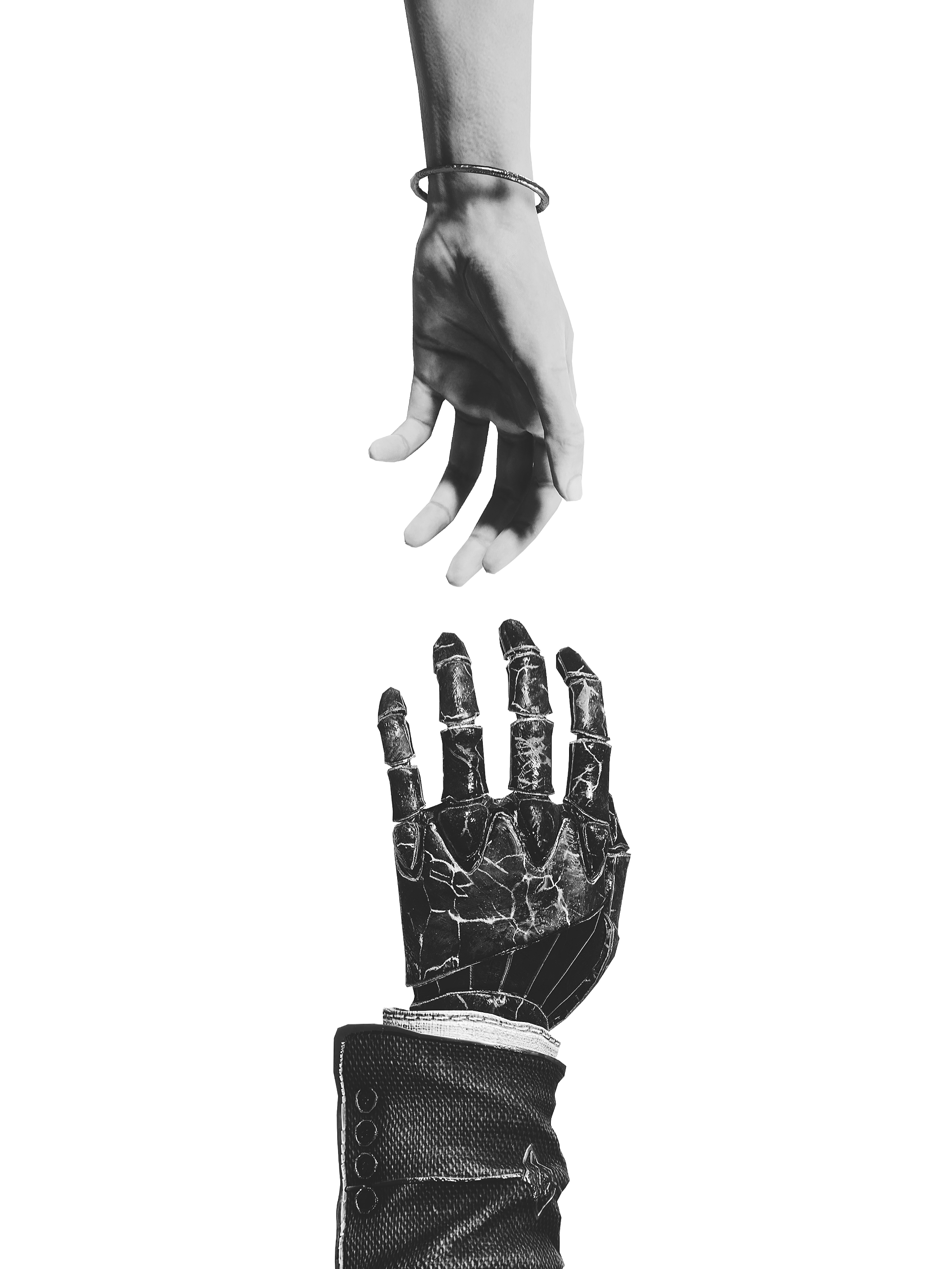
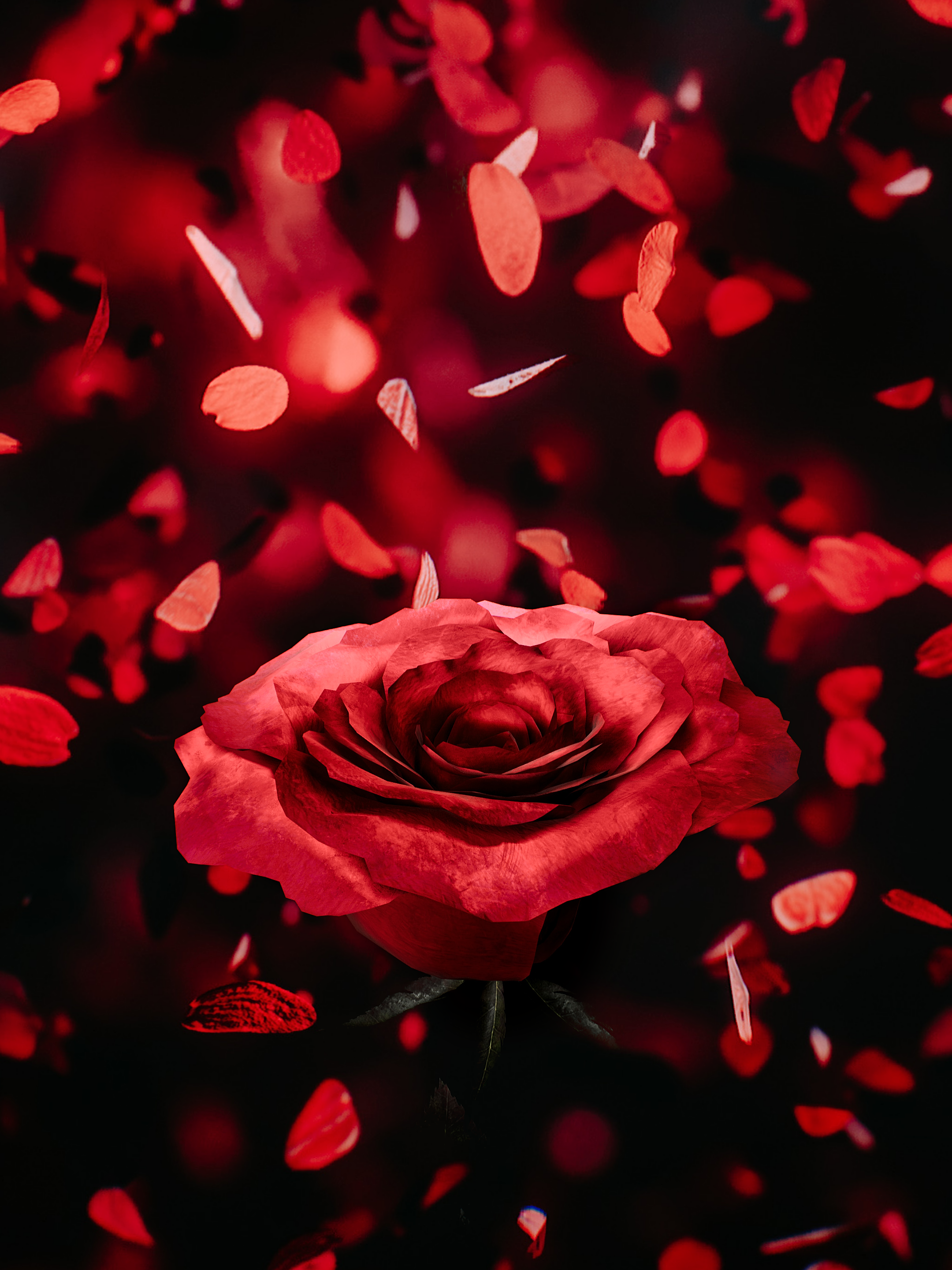
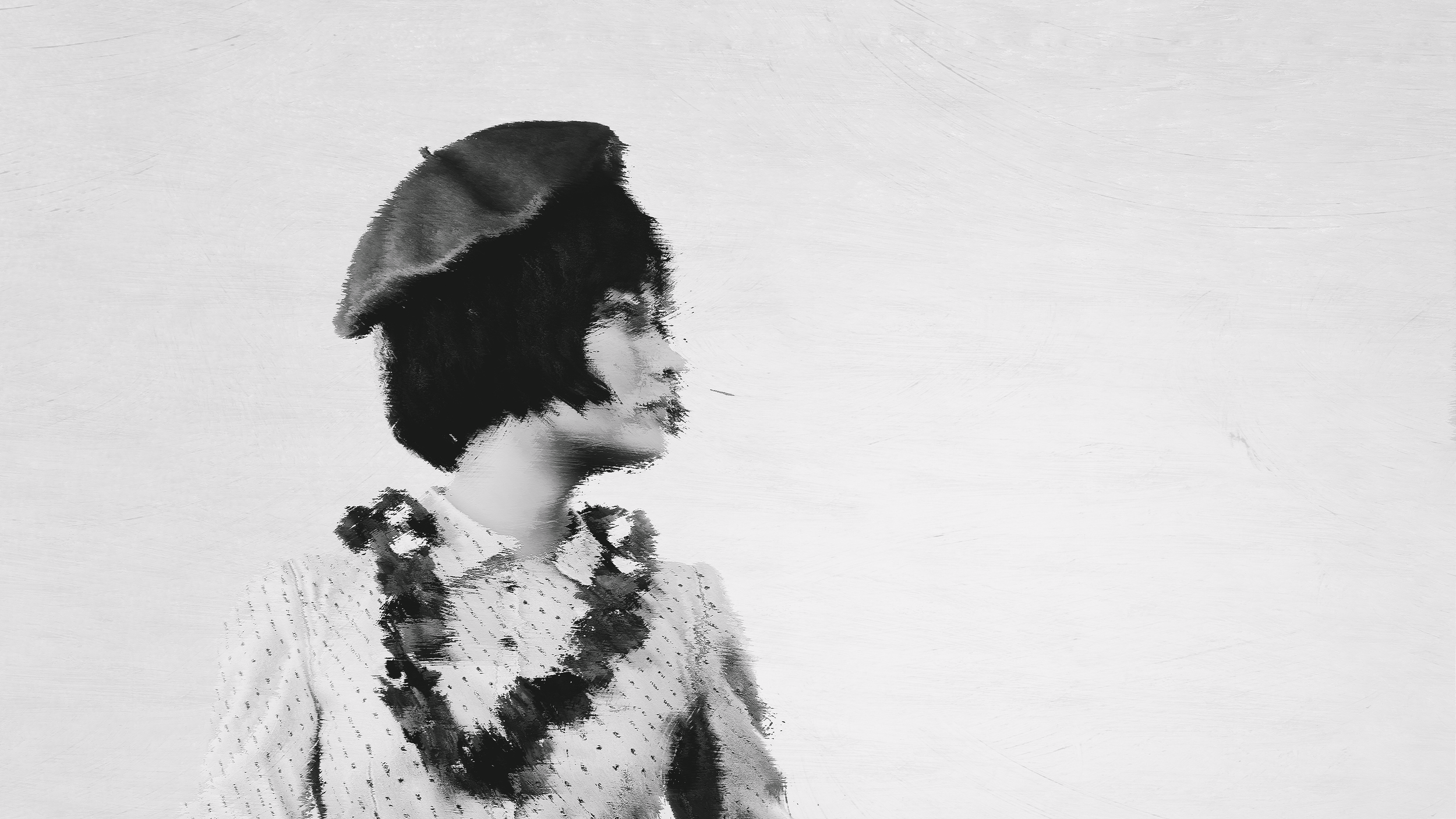
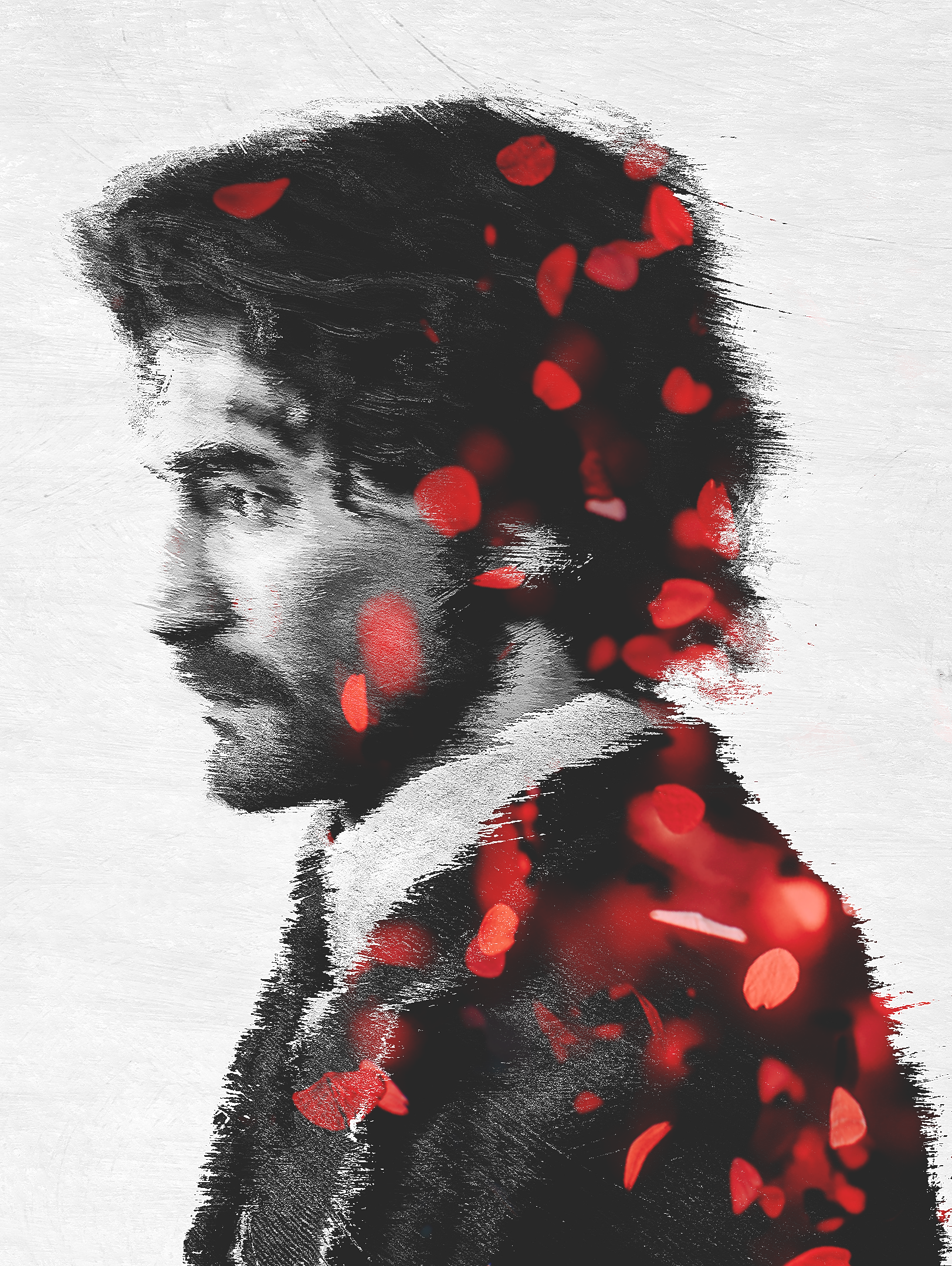
Last but certainly not least, before I invite you to explore all that this issue has to offer, I would once again like to extend my deepest thanks to my dear friend Nimmu (@niinakaniin.vp) for capturing this month’s theme with such grace and care. This entire set beautifully embodies what I had envisioned for the issue. The bold red tones, contrasted with striking black-and-white elements, create a sense of longing and quiet melancholy while still conveying deep passion. I truly could not have imagined a more fitting interpretation of the theme.
Now, I hope you enjoy the beautiful art created for this issue, along with everything else it has to offer.
With love,
Ella (StrawbElla)
Managing Editor
Editor's Note

Through the Lens: Sill, the Queen of Flowers
Introduction: “Hi! My name is Silvia, but my nickname and what everyone calls me is: “Sill”. I’m from Italy. I discovered my passion for VP in 2023, and over time, it has become very deep and meaningful to me. In photography (both VP and IRL), I like to express emotions because I want to convey what I feel to people — love, positivity and happiness. In addition to this, I deeply love nature, connecting with it and socializing with people.”
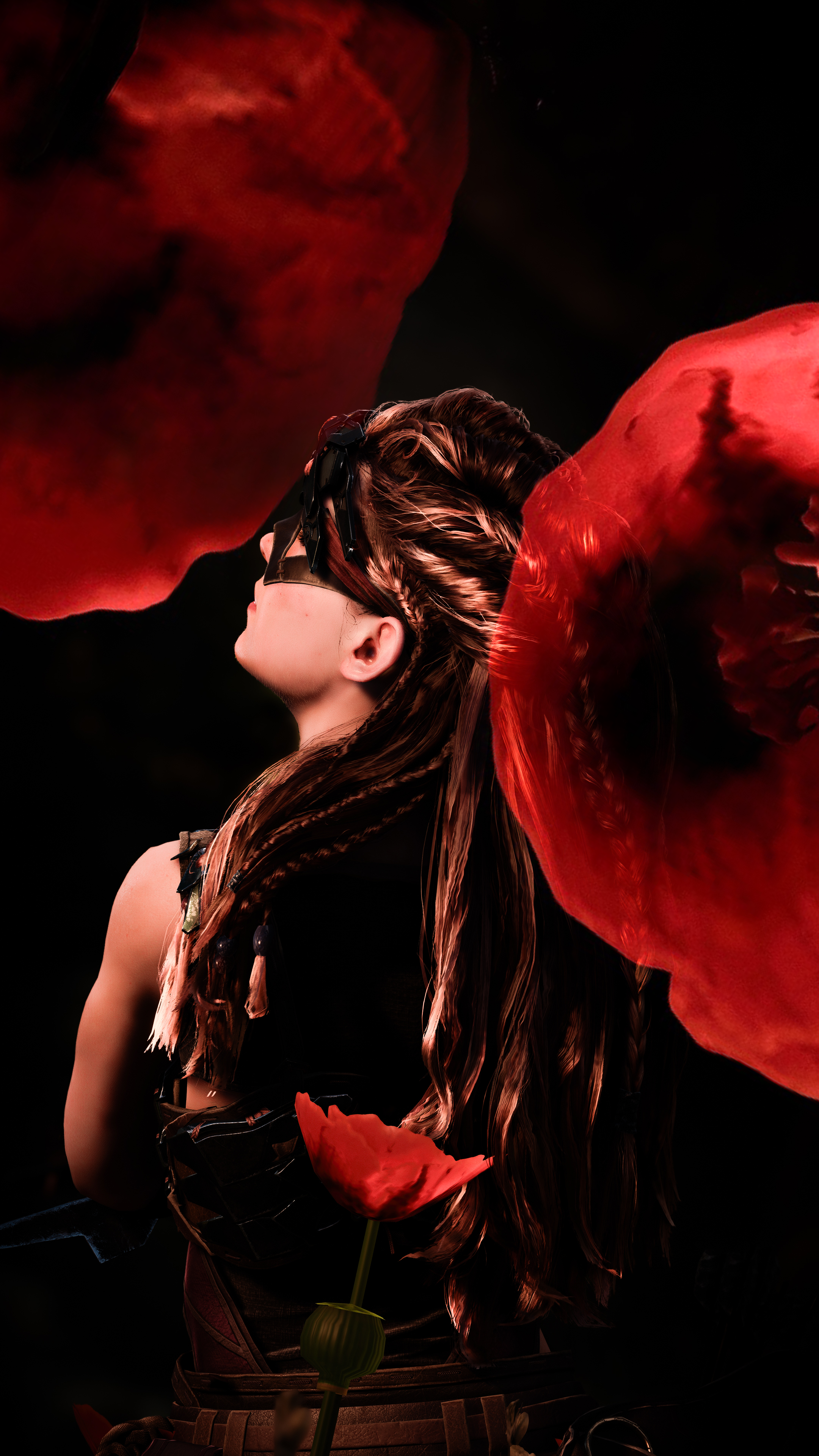
You can take a part of me (Horizon Zero Dawn Remastered)
Meet the Photographer
When did you first start sharing your virtual photography? What made you come to that decision?
“I started doing Virtual Photography on 16th March 2023, and it was a purely random, spontaneous decision. I remember that a few days before, I decided to open a new account because I wanted to post photos of Aloy for fun. I didn't think it would become such an important and significant thing for me.”
How did you initially discover the community behind this art form?
“I actually didn't know there was a community. I remember, at the time, I didn't know anything about virtual photography, and I didn't even know there was a photo mode in most of the games I played. I only discovered there was a world behind it when I opened my VP account.”
You mentioned you started doing virtual photography in early 2023. Did the decision to share your work appear instantaneously, or did it develop over time?
“I'd say it was more of a development over time because at first I just wanted to post photos of Aloy and I didn't think other people would look at my shots, but then over time I met so many unique, talented, and wonderful people.”
Since you mentioned Aloy, was Horizon the first game you explored through virtual photography? Was there anything specific about the title that inspired you to start capturing?
“Of course, the first game I started to capture was ‘Horizon Forbidden West’ because it’s the game I love the most, and I’ve always been intrigued by Aloy’s character. The game has always inspired me so much precisely because of its open world, which has so many things to discover. At the same time, the environment relaxes me (the jungle area, especially the whole area of the DLC “The Burning Shores” and also the background music. They feel so healing for my mind :’).”
How it All Begins
When you’re capturing, what inspires you most?
“The things that inspire me the most are definitely flowers and sunsets (as you've surely noticed ;). I'm always looking for flowers, in any game! I’m a lost case, I know, you can say it. XD”
Do you approach virtual photography with a plan or schedule, or do you create more intuitively — following moments of creative spark as they arise?
“I rarely follow plans. Most of the time, I explore entire game areas, and as soon as I find a great spot, I immediately open photo mode and start experimenting. But sometimes, for special occasions, like birthdays and anniversaries, I plan everything well in advance because I need more time to look for original and creative ideas and then work on them!”
Many of your captures convey a sense of lightness and joy, regardless of the game’s tone. What draws you toward these uplifting moments within virtual worlds?
“Hmmm, this is a bit difficult to explain… It's probably because I'm always a very sunny person and I like sharing positivity with others and making them feel safe around me.”
Finding Your Style
As mentioned before, your captures carry a distinctly positive energy that makes your style instantly recognizable. How would you describe your artistic identity in your own words?
“My work is to search for happiness. It's finding happiness in the little big things and capturing it through a photograph! This is my artistic identity.”
Are there any techniques, themes, or creative directions you’re hoping to explore in the future?
“Definitely yes! For example, minimalism, street photography, and even trying to shoot fight scenes and maybe even something horror-themed. I'll definitely try them in the future!”
We often focus on our strengths, so as to step out of this comfort zone. Is there a particular area or style within virtual photography that you’d like to improve upon or challenge yourself with?
“It's probably the fight scenes that are still quite difficult for me to capture, most likely because I'm not used to them, and they’re totally out of my comfort zone. But I just need to practice and challenge myself, and I'm sure that with time I'll be able to come up with something interesting. It's a bit like learning to ride a bike, it just takes a bit of patience and time!”
Which character or characters do you most enjoy capturing? What draws you to them — their visual design, their story, or a personal connection you feel on a deeper emotional level?
“I would definitely say Aloy! I like her because she's a character who's always willing to help others and always fights to protect and help others, just like me. I'm the kind of person who DEEPLY loves helping others, especially the people I care about the most; protecting them and making them feel safe at all times, and having them know that they can count on me!”
Are they also your favorite video game characters overall? Is there a quote of theirs that resonates with you?
“Yes, and a phrase that has remained imprinted in my mind is: ‘If I'm going to fight for something, it has to be something I believe in.’ (Zero Dawn) because I always fight for the things I truly believe in and for the people I love.”
Your profile grid spans from warm tones to cooler palettes and striking black-and-white pieces. When curating your feed, do you aim for a cohesive colour theme, or do you prefer embracing contrast and variety?
“Let's say I don't pay much attention to the feed, I mean... I don't follow a specific colour theme. I do everything very instinctively, and I like to vary.”
Are there specific colors or lighting conditions you find particularly challenging to capture the way you envision them?
“Absolutely yes! I find it very difficult, atm, to take photos in the rain because I can't get the lighting I want for my type of shots, since there's always sun in my photos. But this is also something I'd like to work on in the future, because it inspires me a lot! Also, to create something different from the usual and give another meaning to my shots — even deeper and more sensitive.”
Last year, you shared a Valentine’s Day set that perfectly captured this intimate romantic atmosphere. Could you describe that set and the thought process behind it?
“Ah!!!! That's a set I worked really hard on. I remember I'd started thinking about it a month before, and every day I tried to "draw" ideas in my mind that could represent Valentine's Day. I'd made a sort of outline on a sheet of paper because I didn't want to forget the ideas I had in mind, and then I tried to make them work. As I said last year, in those shots, I tried to represent everything that refers to love, for example, the red flower (like the red rose), the fiery dart (like Cupid's one), the sparks and the fire, but also the butterfly — that's what we feel inside when we fall in love with someone. And also, wet skin represents sweat, because during an intimate moment with the person we love, the first thing that happens is feeling a lot of heat on our skin due to the mix of emotions we feel in that moment. As you can see, Love is everywhere, in everything we see and touch, and I always say that it's like a light in the darkness. It's also like a flower that blooms inside us, and it really is! Love is a universal feeling and deserves to be celebrated every day, not just that day!”
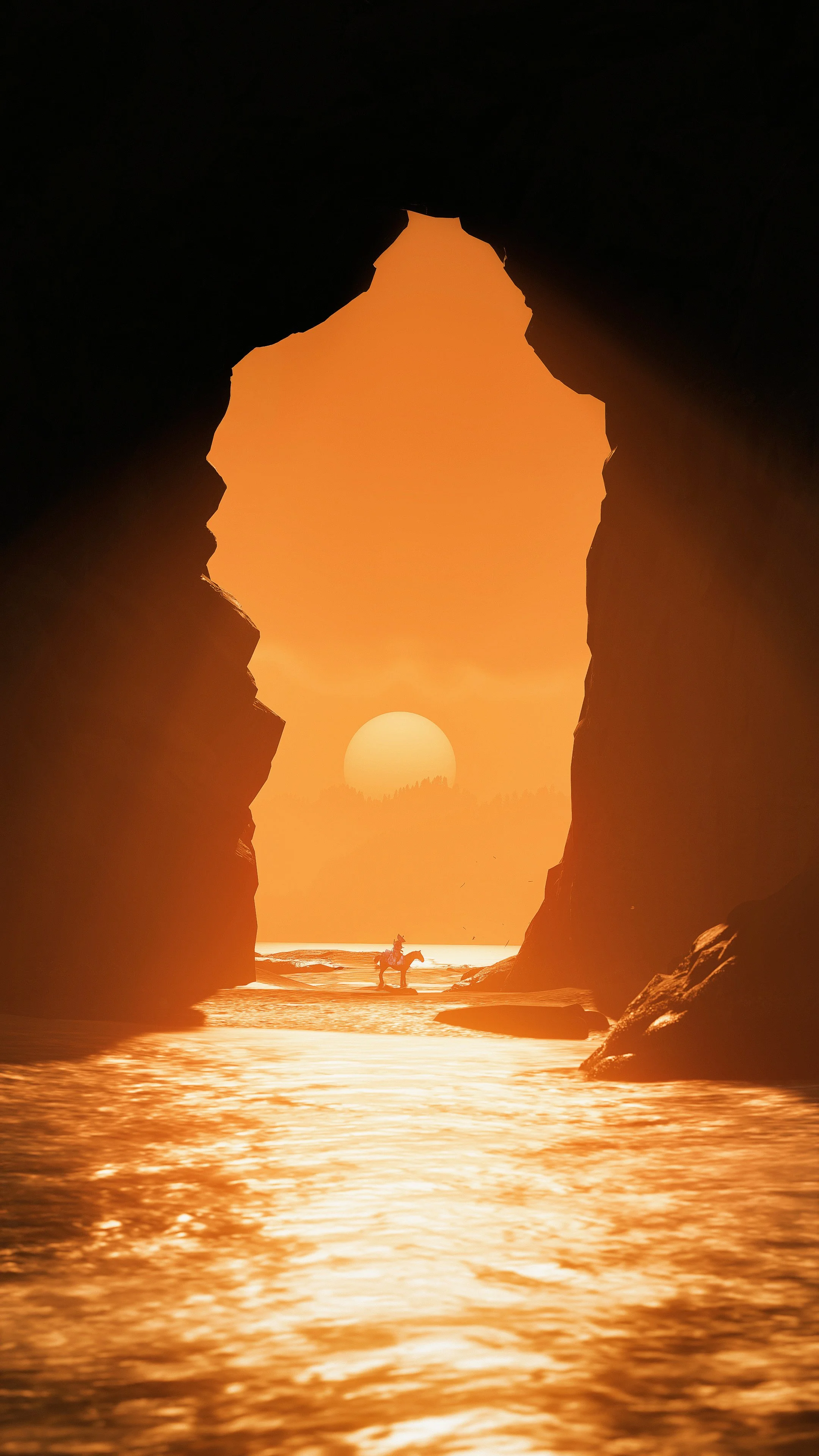
Walking on a dream (Ghost of Yotei)
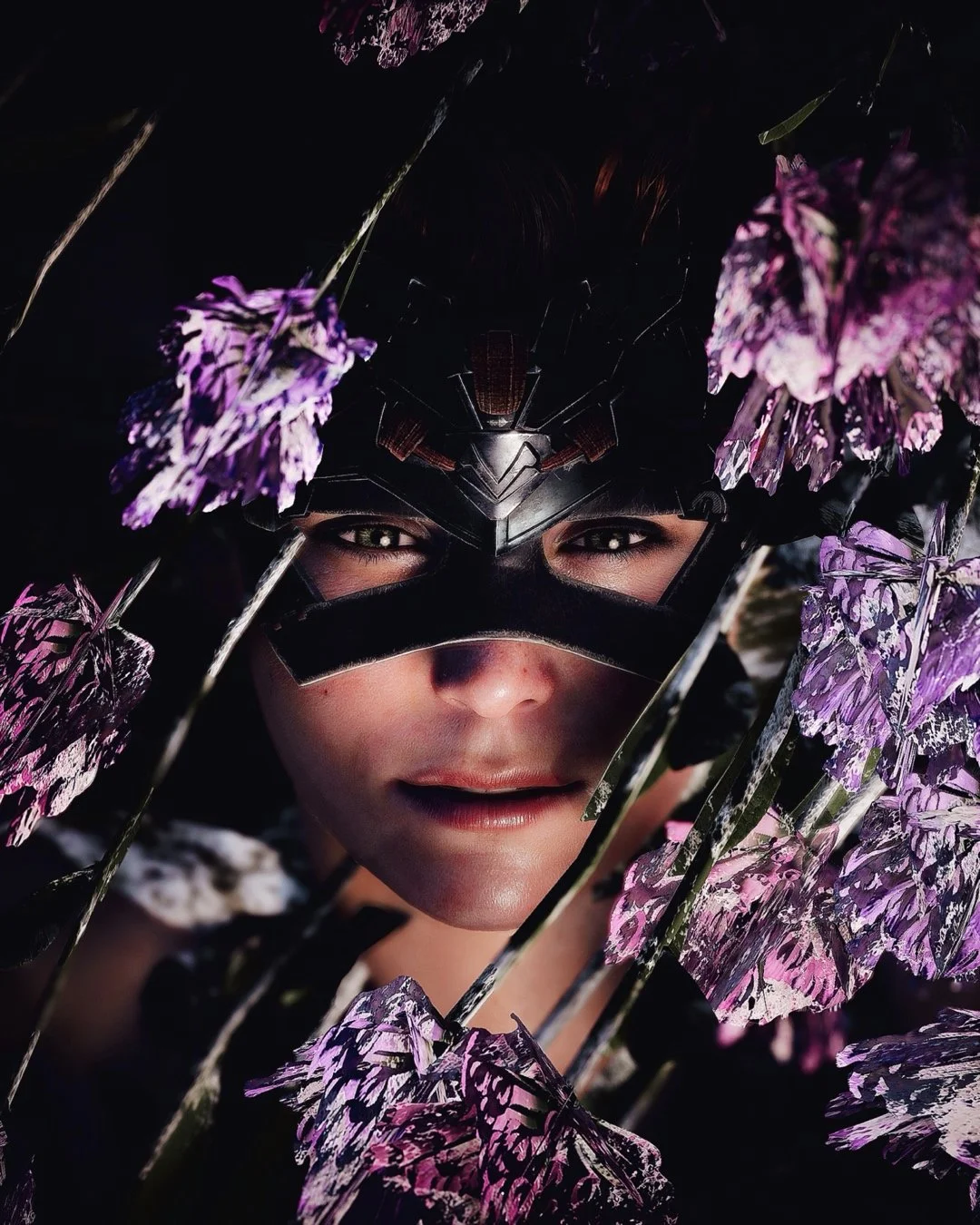
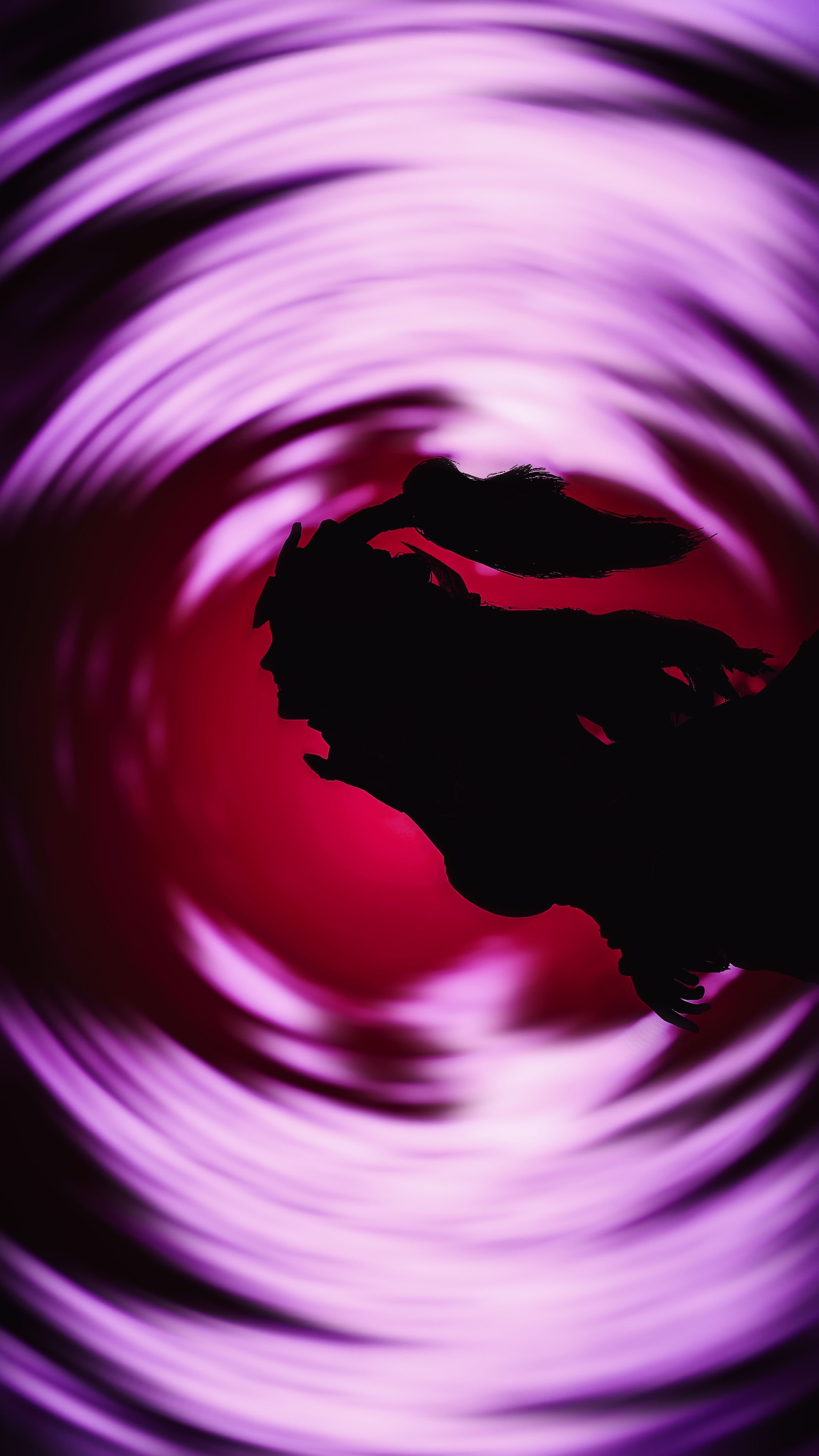
“... It’s a bit like learning to ride a bike, it just takes a bit of patience and time!”
Horizon Zero Dawn Remastered (Horizon Zero Dawn Remastered)
My catharsis (Horizon Forbidden West)
From Capture to Masterpiece
Do you prefer keeping your captures raw, or do you see editing as an essential part of your creative process?
“Yes, I always edit my shots. Sometimes I use filters within the photo mode, and then I adjust the contrast, lighting, and sharpness a bit in post-production. But I never overdo the editing!”
Which apps or software do you use when editing your captures? Would you recommend them to others?
“I always use Lightroom, Snapseed and Picsart, and I absolutely recommend them.“
How would you describe your editing style? Would you say it leans more towards subtle refinements or transformative adjustments?
“My editing style is very simple and chill. I don't like to edit my shots too much. Most of the time, I apply filters or simply adjust the lighting, contrast, shadows, and sharpness in Lightroom. It depends on the photo!”
On average, how much time do you spend editing a single capture? Has that process become more efficient over time? When did you start feeling confident in your editing workflow?
“It usually takes me 15/20 minutes more or less, and again, it depends on the photo! Sometimes it could take longer, other times even less. I think I started to get confident with editing a year after I started doing VP. It wasn't easy at first, and I'm still a beginner! I still have a lot to learn.”
Do you follow a consistent editing routine, or does your process evolve depending on the capture?
“It always depends on the type of photo I have in front of me!”
Do you have any advice for virtual photographers who are just starting to experiment with editing?
“I’d recommend using Picsart, because it’s intuitive and very simple to use. Lightroom, for example, is a little more complex to use at first! Or I could also simply recommend using filters directly in the games’ photo mode.”
Seeking Inspiration
Do you find maintaining posting consistency challenging? How do you navigate periods of creative drought?
“Honestly, it's quite frustrating for me when I have those moments when I don't feel inspired, but I think it's a normal thing that we all have to face sooner or later! It's impossible to always be inspired, especially since not every day is the same, and every day we’re in a different mood. So when I have these moments, I try to take things slow and rest my mind as much as possible, without stressing myself too much, and simply play video games without thinking about having to do VP. By doing this, I find it easier to manage!”
Do you have any advice for VP artists who are struggling to feel inspired?
“Of course! The first thing I recommend is to take things very slowly and without putting pressure on yourself, because that way you won't solve anything, and might end up making things worse. Then, also think that all artists have those periods when they don't feel inspired at all and don't know what to create, which is absolutely normal. But they’re just periods that pass. Then another thing I absolutely recommend is to look at reels and photos of IRL photography, because they help a lot to find new ideas, which is something I do every day!”
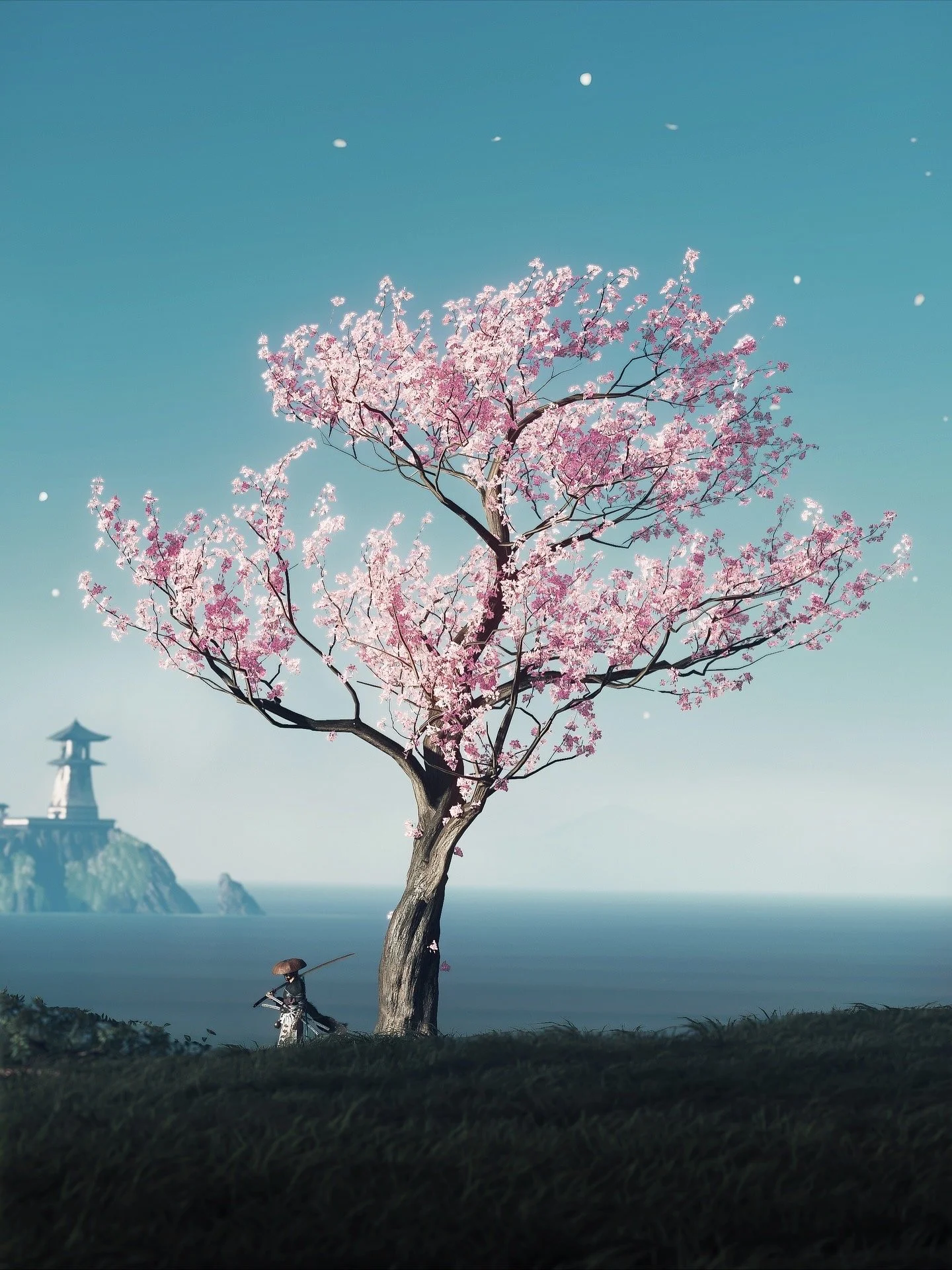
Somewhere, in a corner of my mind (Ghost of Yotei)
Allies in Art
What does virtual photography mean to you?
“It means capturing everything that gives me good vibes. For example, flowers (one of my deepest passions), “drawing” ideas within my mind first and trying to transform them into a virtual photograph. For me, it means “capturing” my emotions (like happiness) and transmitting them to others.”
The virtual photography community often hosts creative events, such as challenges and monthly themes. Do you enjoy participating in these activities? If so, do you have a favorite, you have taken part in?
“Hmm, it depends! I've participated in some challenges, but rarely in the weekly themes. Honestly, they make me very anxious, so I prefer to participate only when I feel inspired and when I already have some ideas in mind. It's easier for me to do it this way.”
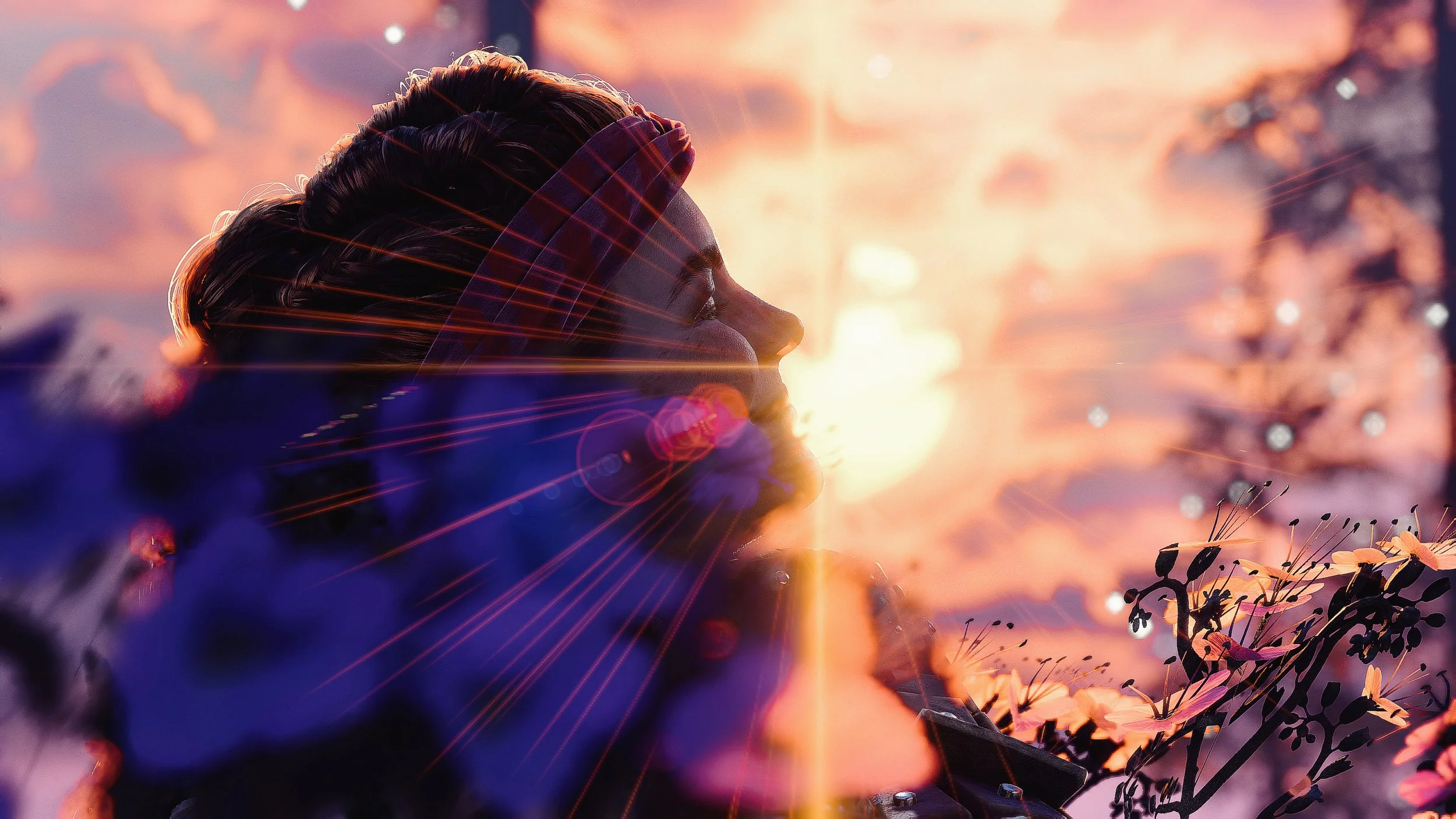
Horizon Forbidden West (Horizon Forbidden West)
You often collaborate with other artists. How would you describe that experience?
“It's one of the most beautiful experiences! In addition to the fact that you have the opportunity to learn new things and exchange ideas and advice with the other person, you also have the opportunity to make friends with that person, creating a bond. It's always a joy and pure fun to collaborate with others!”
When collaborating with artists whose style differs from yours, do you find it challenging to create a cohesive set? How have you navigated those differences in the past?
“In the collaborations I've done so far, I've always consulted the other person, and together we chose a theme that we both liked without complicating things. So I was able to manage it very well, and the same thing on the other side, so we were both happy!”
What is your favorite aspect of the virtual photography community?
“The first and foremost thing is that there are so many wonderful people to befriend — that's what I love most... Meeting new people and creating connections all around the world, plus the endless opportunities to learn thousands of things, not just about virtual photography! I'm extremely happy to be part of this community, because not only did it make me fall in love with VP, but also because I met some UNIQUE people who I love with all my heart, and I will forever be grateful for this beautiful gift in my life.”
Save & Exit
Ever since I first came across Sill’s work, I have been amazed by her ability to convey emotion through her captures — especially such lighthearted and genuine joy. I think many artists, myself included, often turn to art as a way to process sorrow or express feelings that can be difficult to put into words. That is why it feels so refreshing to witness a presence rooted so firmly in positivity. That warmth shines not only through her work but through her presence in this community, which truly would not be the same without her. Thank you, Sill, for creating and sharing your joy with the world. I hope life adorns you with just as much love and happiness as you so effortlessly give to others.
Article by: Ella (StrawbElla)
Photography by: Sill (sill_vp)
Featured games: Horizon Forbidden West and Horizon Zero Dawn Remastered © Guerrilla / Sony Interactive Entertainment; Ghost of Yotei © Sucker Punch Productions / Sony Interactive Entertainment.

Due to the busy nature of February, there were no entries to feature as theme winners this month. However, it only felt right to showcase Nimmu (@niinakaniin.vp) and the beautiful set she created specifically for Crimson Reverie. Every element of these captures — from the carefully chosen colours to the subtle effects — conveys a layered blend of emotions tied to the theme. Crimson Reverie represents memories of love, longing, and passion; whether joyful or sorrowful, they all remain deeply nostalgic.
In the Spotlight: Crimson Reverie by Nimmu

Nimmu (@niinakaniin.vp)
Nimmu (@niinakaniin.vp)
Nimmu (@niinakaniin.vp)
Nimmu (@niinakaniin.vp)

Nimmu (@niinakaniin.vp)
Nimmu (@niinakaniin.vp)
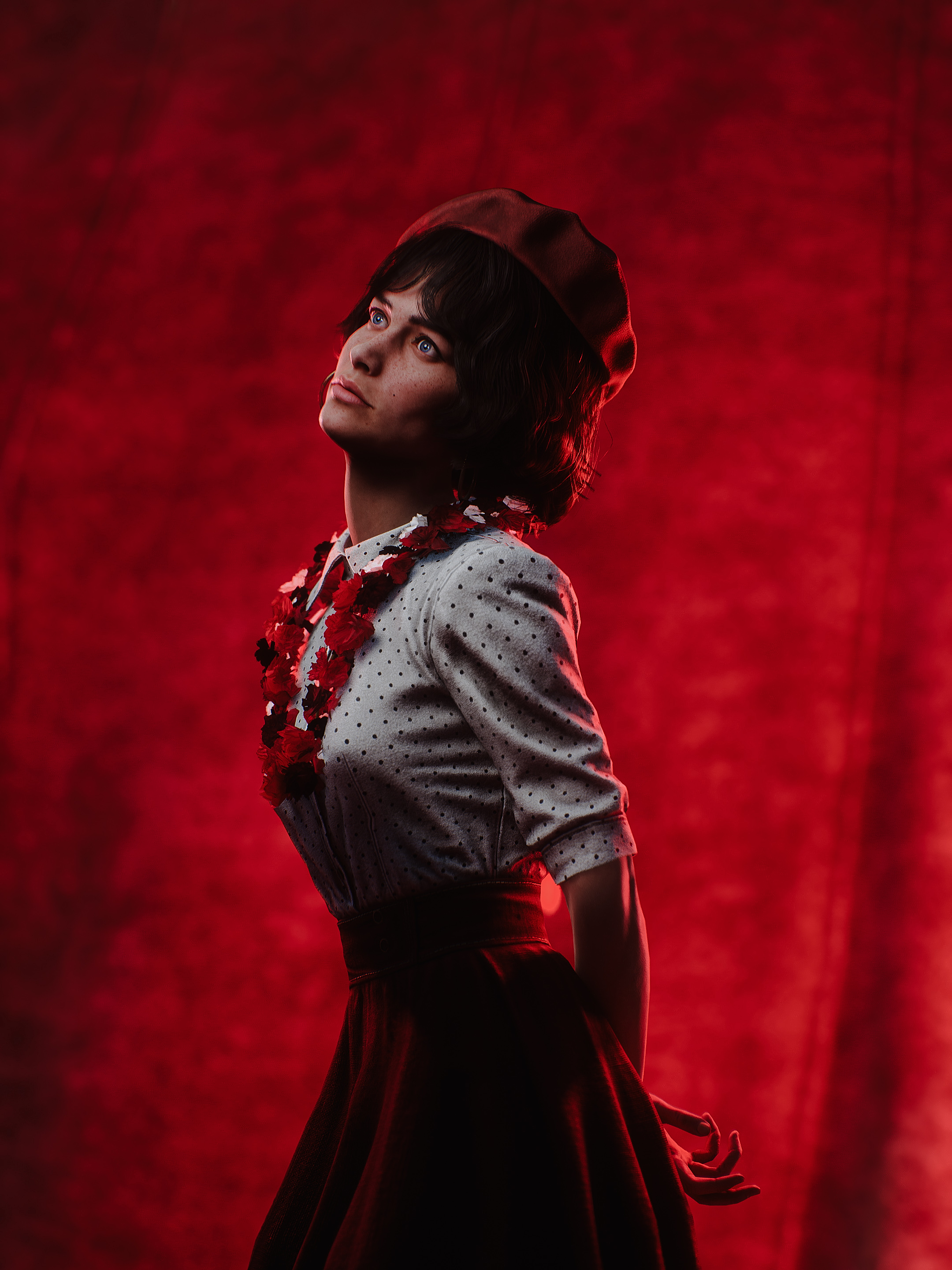
Nimmu (@niinakaniin.vp)
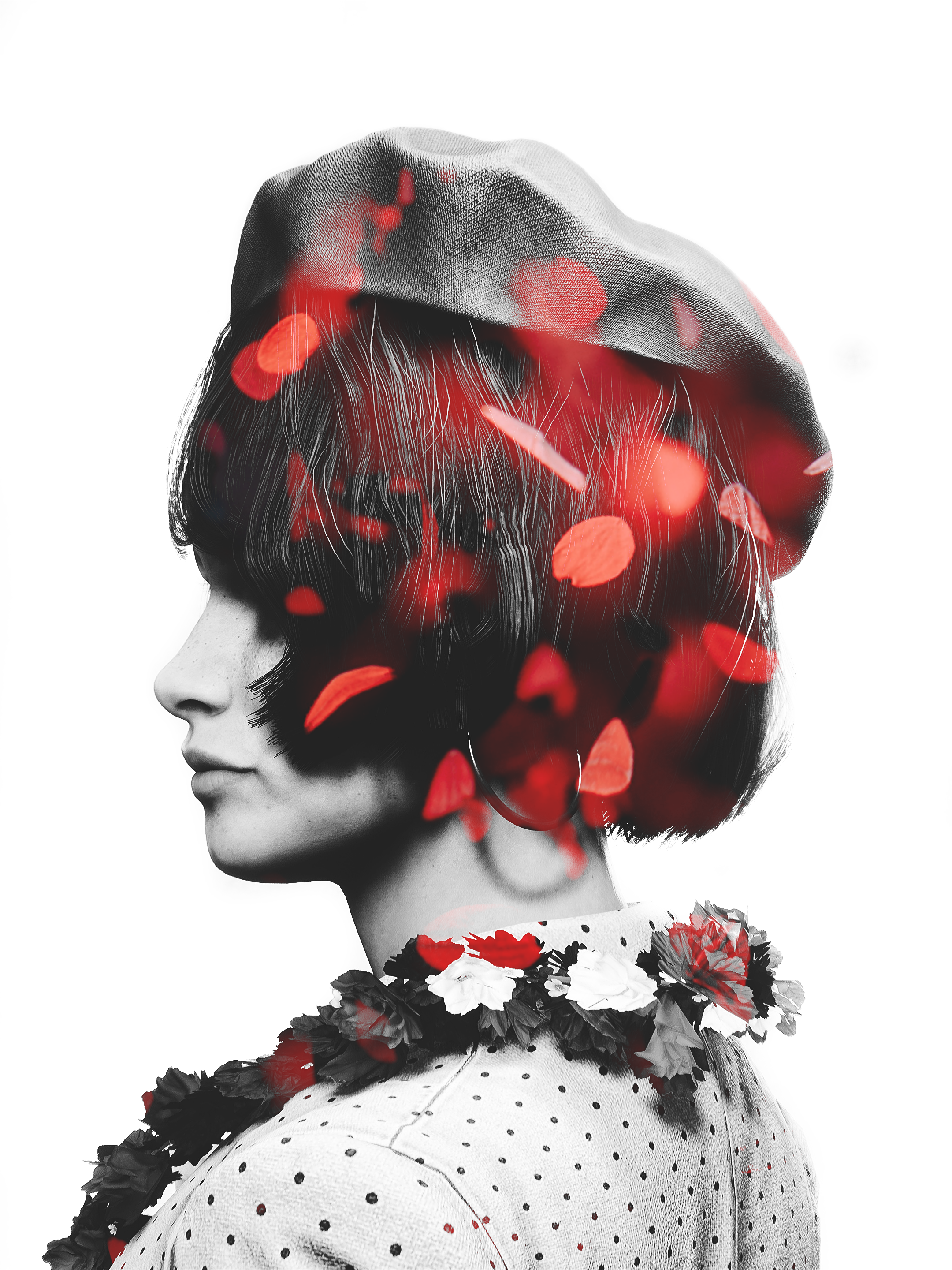
Nimmu (@niinakaniin.vp)
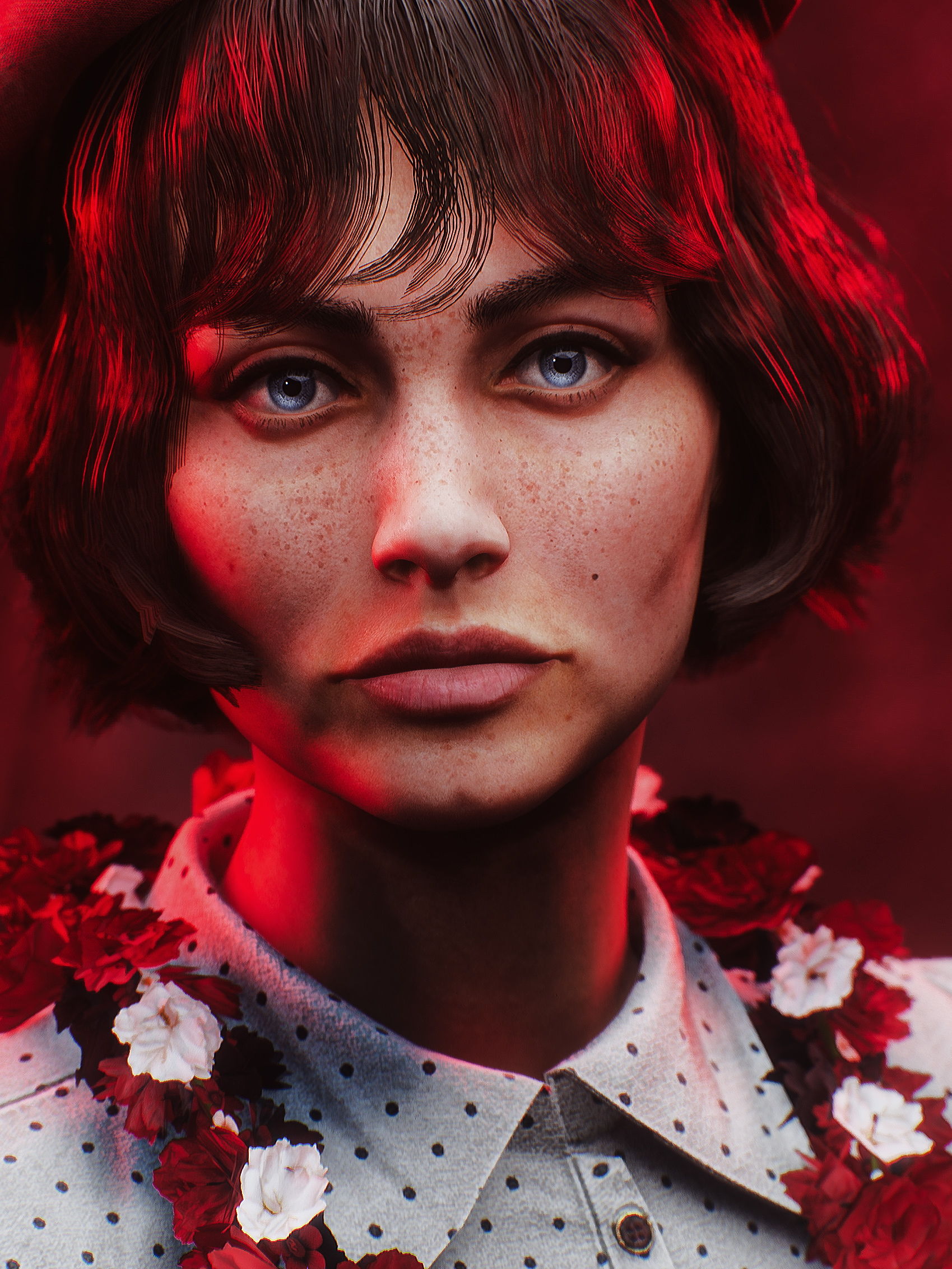
Nimmu (@niinakaniin.vp)

Just finished bleeding through this neon nightmare, and you know what? It’s prime time to yak about it. Yeah, the game’s old news — six years on, dust on the release date — but screw it, choom, some things are worth talking about fresh. So strap in, let’s tear into Night City before the credits fade from my skull.
Alright, enough of the Cyberpunk slang — let’s put the Johnny Silverhand persona aside for a moment and get down to business. Here’s a proper look at my review of Cyberpunk 2077: its gameplay, story, characters, and the sprawling world they inhabit.
Patch Dispatch: “A happy ending? Wrong city, wrong people.”

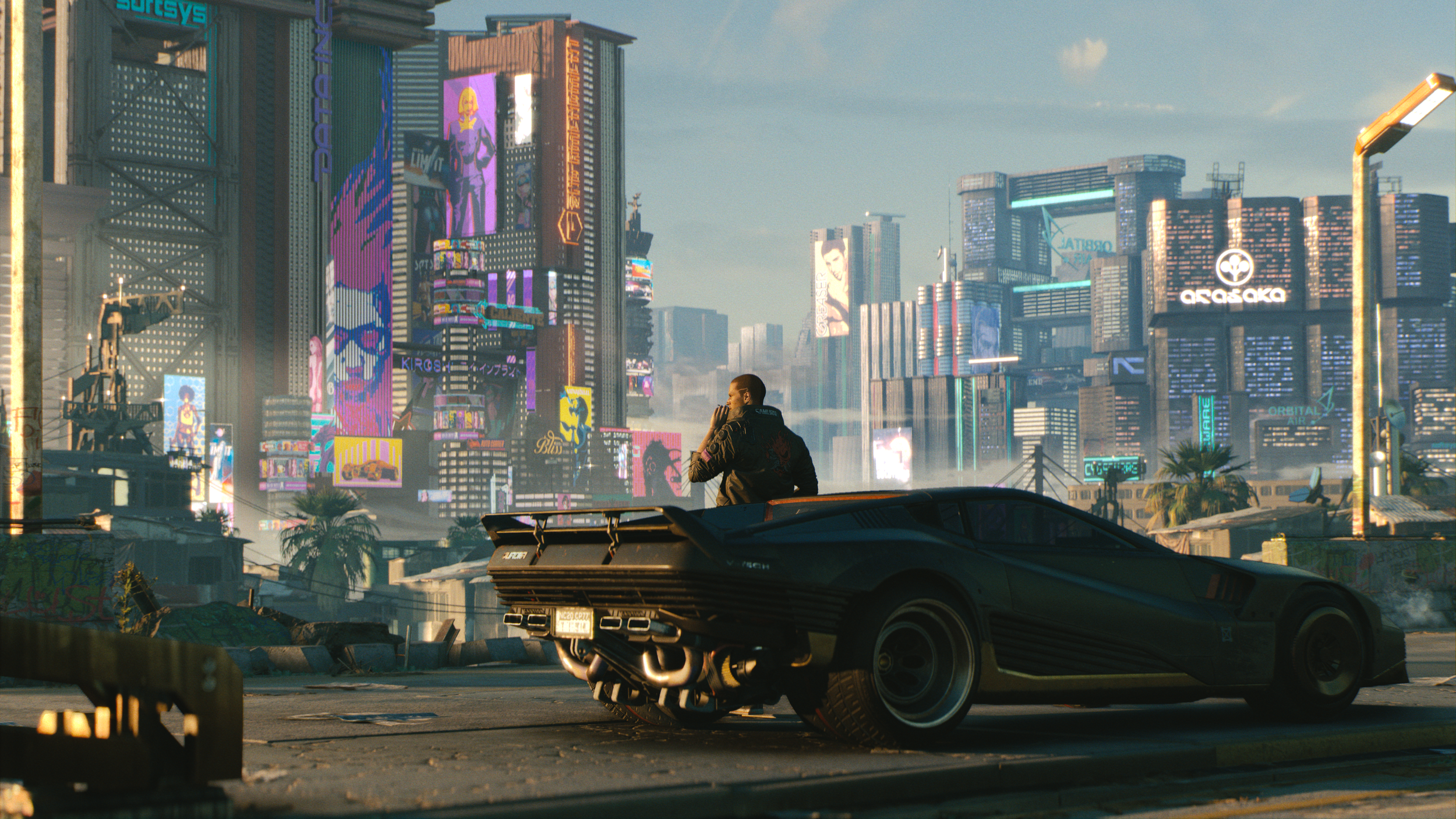

Introduction
If you’ve been part of the gaming community for a while — especially the virtual photography corner of it — chances are you’ve heard of Cyberpunk 2077. Even though the game released six years ago (which feels absolutely unreal to say out loud — where did the time go?), I only just finished it last week. And somehow, that made the experience feel even more special.
Before diving into the review itself, I need to acknowledge something: I was incredibly lucky not to have the story spoiled. In an age where content travels at the speed of light and entire endings are dissected in thumbnails, going into a game blind feels almost rare. Experiencing a story firsthand — without commentary, without spoilers, without someone else’s opinion shaping your expectations — is, in my opinion, one of the most magical parts of gaming. So with that gratitude in mind, let’s step into Night City.
The Pickup: Why I Finally Jumped Into Night City
I actually started playing last year and have since logged around 100 hours — and I’m still nowhere near full completion. That alone says something about the sheer scale of this game. I originally picked it up after a friend (who also helped me with this review ;) strongly encouraged me to give it a chance, and after seeing countless breathtaking virtual photography captures on Instagram, I was already halfway convinced.
Artists like Edward (@edwardframes), Val (@valvisuals_ph), Inga (@vp.ingutenberg), Chips (@wearepotatochips), and Fingolfin (@fingolfin11_vp) showcased a version of Night City that felt almost tangible through a screen. I wanted to see those neon-soaked streets for myself. And I can confidently say: I was not disappointed.
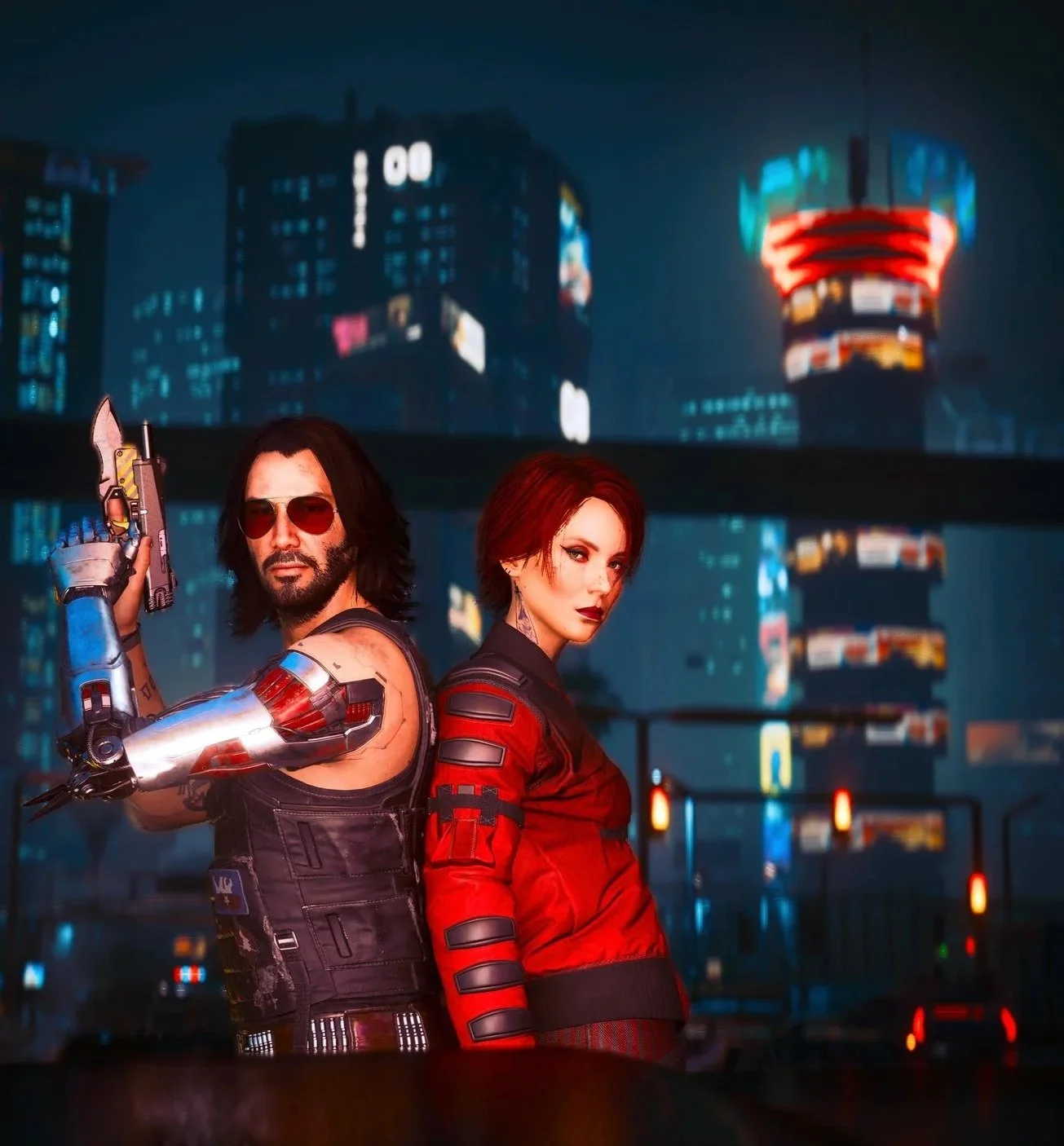
Down on the Street: Experiencing Night City in First Person
One thing that initially worried me was the first-person perspective. Up until Cyberpunk 2077, I had almost exclusively played third-person titles. I was concerned about the possibility of motion sickness and about feeling less immersed due to the limited field of view. However, those fears disappeared within a few hours.
In hindsight, they feel almost silly now that I’ve beaten the game. The first-person perspective doesn’t limit immersion — it intensifies it. Night City feels overwhelming in the best possible way. The towering buildings, the crowded streets, the distant Californian hills surrounding the city — experiencing it all through V’s eyes makes everything feel even more up-close and personal.
That said, crossing the street was… an adventure. The lack of peripheral vision resulted in more than a few unfortunate encounters with oncoming traffic. Getting run over became something of a rite of passage. Thankfully, the addition of third-person driving was a lifesaver. The vehicle controls feel noticeably smoother from that perspective, and once I made the switch, I avoided at least some of my previously fiery crashes. XD And while the driving mechanics aren’t perfect, for a game whose focus isn’t even on driving, the mechanics are surprisingly accurate, and they never became frustrating enough to pull me out of the experience.
The Ride: From Unplayable to Unforgettable
It’s worth mentioning that Cyberpunk 2077 had a legendary reputation for bugs at launch. At the time, it was widely considered the buggiest major release ever — so much so that some versions were reportedly unplayable. CD Projekt Red, the studio behind the game, missed and rescheduled multiple release dates, eventually releasing a version that was far from finished. Over time, the game received heavy updates to fix issues and bring it closer to its vision. It’s a testament to their perseverance, so that it now feels as polished as it does.
Ghost Town: Night City Is Anything But
Now, Night City itself deserves its own moment of appreciation. The sheer density of the world is staggering. The number of enterable buildings, side activities, collectables, radio stations, television programs, and subtle environmental storytelling details makes the city feel alive rather than decorative, and far from just a backdrop for missions.
NPCs play a big part in creating this atmosphere as well, making it feel dynamic and in constant motion. Crowds react to your character's actions, conversations overlap, and districts carry distinct identities that make you want to explore each one of them. From the corporate gloss of City Centre to the neon-soaked streets of Japantown and the dust-swept outskirts of the Badlands, each area feels deliberately crafted rather than just empty, meaningless filler space.
Even after completing certain questlines, characters remain present in the world, which helps relationships feel less transactional and more organic. You don’t simply “finish” someone’s story and watch them vanish. That said, I occasionally wished for additional post-quest dialogue with major characters like Judy Alvarez, Panam Palmer, River Ward or Kerry Eurodyne. A few more conversational updates after major events would have made the world feel even more responsive to your choices. It’s a small detail — but one that could elevate an already impressive foundation.
And of course, the game has a thriving modding scene on PC. From ultra-realistic graphical overhauls that make Night City almost indistinguishable from real life, to smaller quality-of-life tweaks that expand post-quest interactions, the community continues to refine what CD Projekt Red built. Mods are currently limited to PC players, though it would be exciting to see more console titles experiment with official mod support in the future — as seen with games like Baldur's Gate 3.
Gimme Danger: Combat VS Stealth
Combat was another pleasant surprise. I’ll admit that I didn’t lean heavily into cybernetic builds during my playthrough, though I’ve seen others execute some truly impressive combinations. Even without fully optimising V, the gunplay felt satisfying and impactful.
Interestingly, this is one of the few games where I didn’t feel the urge to avoid combat. While stealth is absolutely viable — and I managed to complete several missions quietly — it felt noticeably more challenging. Sometimes, charging headfirst simply proved more efficient. And honestly, sometimes chaos fits the setting.
What I particularly appreciated was how companion NPCs actively contributed during combat encounters. They weren’t just present — they were helpful. It gave certain missions an almost cooperative, multiplayer energy, even though the experience remains entirely single-player; however, it is worth mentioning that the game was originally planned to have multiplayer, but early tests caused so many bugs that the idea was scrapped entirely.
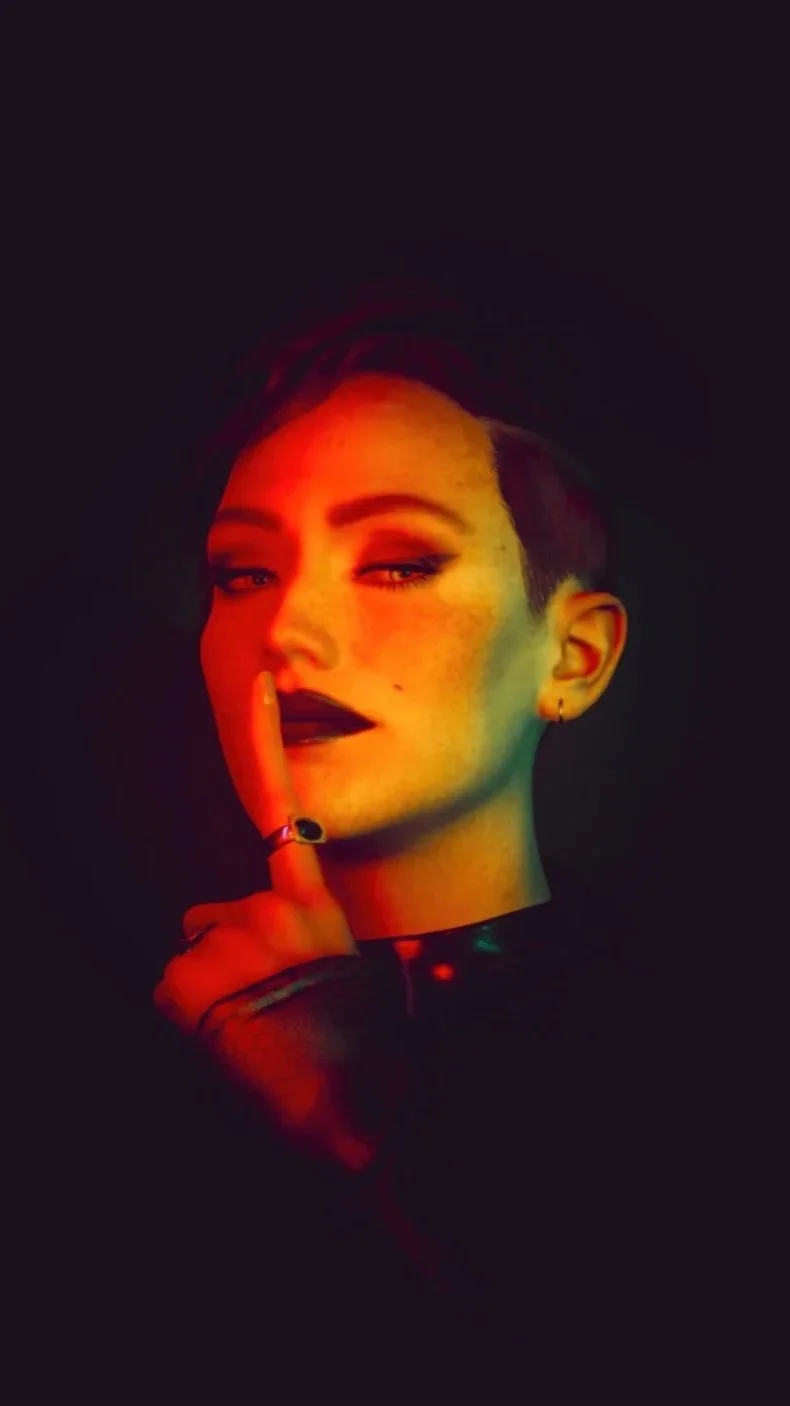
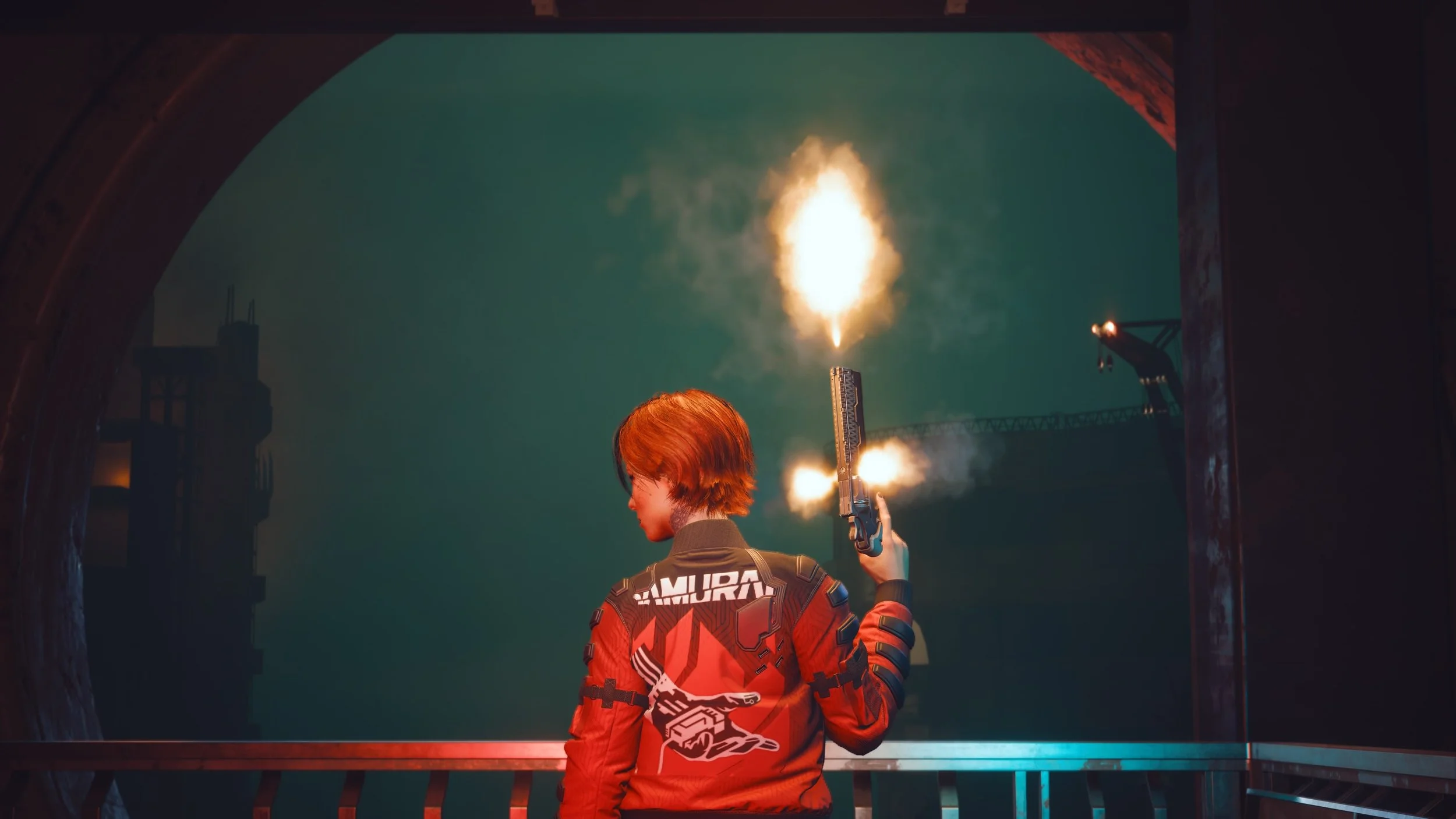
“There are no happy endings in Night City.”
Heroes: The People Behind Night City
The writing across the board is remarkable. The dialogue feels raw and authentic, even if it takes some adjustment. The game is filled with technical jargon and futuristic slang that can be challenging for non-native English speakers at first. I struggled briefly with some terminology early on, but eventually, the language became part of the world-building rather than a barrier.
Watching the credits roll was another moment of quiet awe. Seeing how many languages the game has been translated and fully voiced in — roughly ten full voice-overs and nearly twenty subtitle options — highlights the sheer scale of production. It’s a reminder of how massive this project truly is.
Automatic Love: Why You Fall for Night City
For all the weapons, chrome, and explosions, what truly stayed with me were the people. The emotional core of Cyberpunk 2077 lies in its characters. Relationships unfold gradually, shaped by shared experiences rather than sudden loyalty. The progression feels natural — messy at times, but real.
Johnny Silverhand, in particular, surprised me. What initially feels like an intrusive presence slowly evolves into something far more layered. His sarcastic remarks lighten tense moments, but beneath the bravado lies commentary that hits uncomfortably close to real-world issues. He isn’t just comic relief; he is the embodiment of ideological friction.
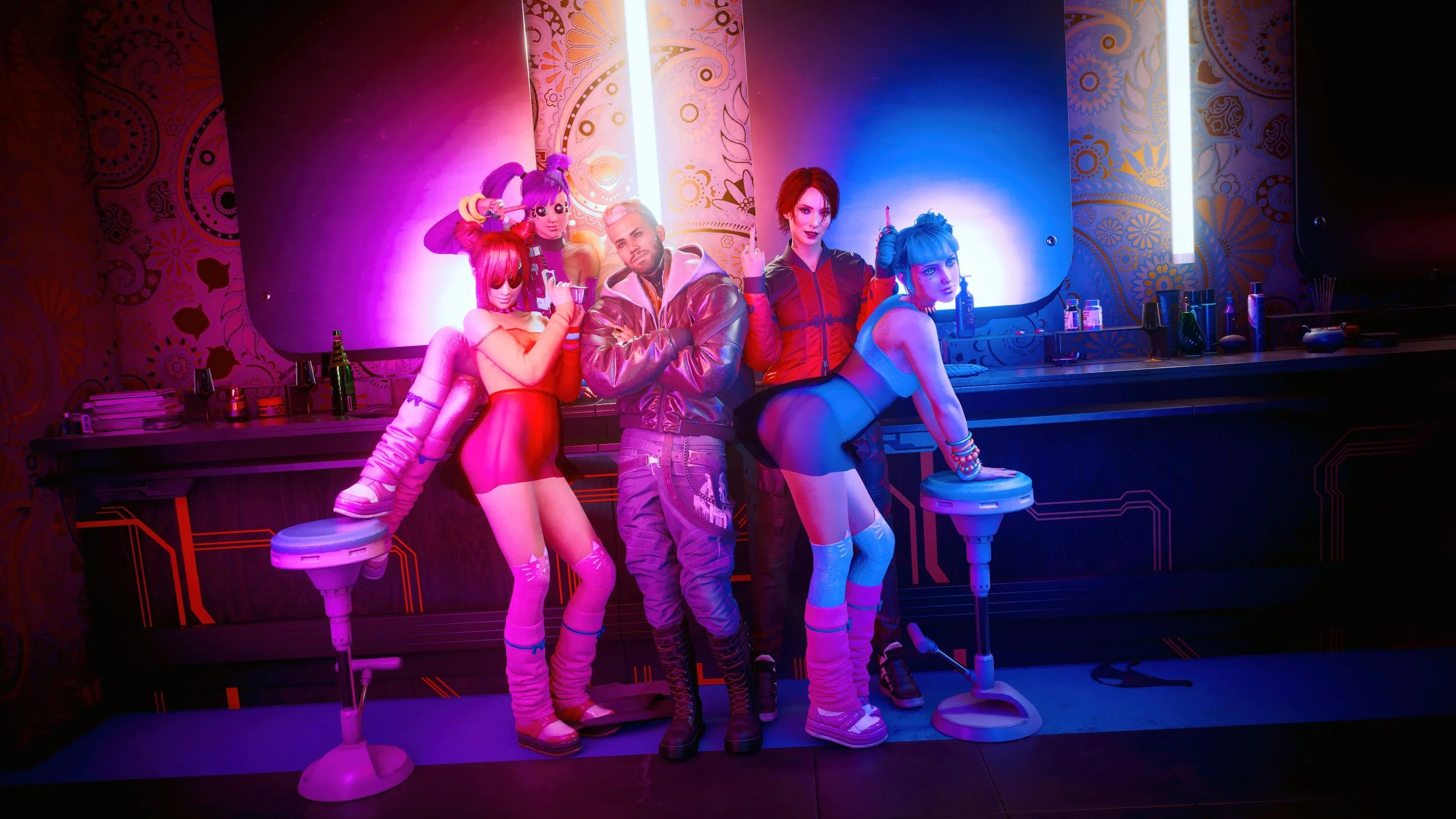
Nocturne OP55N1: Journey’s End
The game offers multiple endings, yet none of them truly feel like a clean “mission accomplished.” Every corner of Night City reinforces the same truth: this world was never designed to hand out happy conclusions. You’re not meant to ride into the sunset unscarred. Even victory carries weight — consequence, loss, moral compromise. And that’s exactly what makes it powerful.
Cyberpunk 2077 refuses to indulge in idealism. It doesn’t sugarcoat survival. Instead, it presents triumph as complicated and often bittersweet. The endings don’t exist to validate you as a hero — they exist to ask what you were willing to sacrifice to get there. That realism makes the narrative feel more grounded, more mature, and ultimately more impactful.
Even the expansion, Cyberpunk 2077: Phantom Liberty, doubles down on this philosophy. It is absolutely worth experiencing in my book. By the time its story concluded, I was left speechless — and, unexpectedly, in tears. The new characters are introduced with remarkable care, immediately compelling and layered. The writing fosters not only attachment to them as individuals, but a deeper emotional investment in the world itself. And that attachment is precisely what makes the ending hit so hard.
When the credits roll — whether in the base game or Phantom Liberty — it doesn’t feel like you’ve “won.” It feels like you’ve lived through the events that unfolded. And in Night City, that might be the closest thing to victory you’re ever going to get.
Run This Town: With the Outstanding Photo Mode
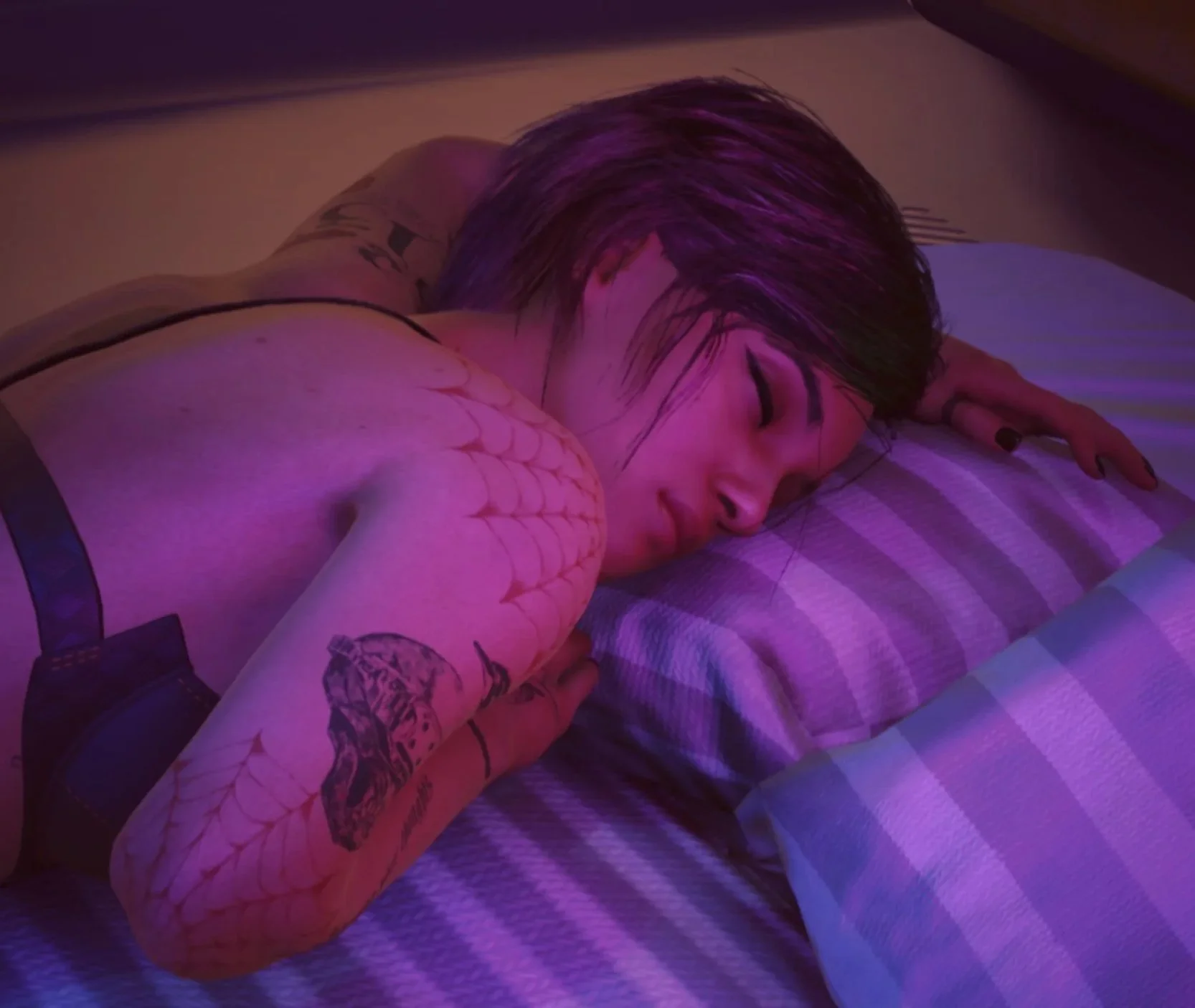
Photo Mode in Cyberpunk 2077 also deserves its own spotlight — especially in a magazine dedicated to virtual photography. The tools available to photographers are nothing short of incredible. Character poses feel far more natural than in many other games, allowing for expressive, lifelike compositions. The lighting controls are a true gift, giving players the ability to craft mood, atmosphere, and cinematic flair with precision, and take striking captures in the nighttime as well, without having to worry about limited light sources in the surrounding area.
Cyberpunk's Photo Mode turns the city into a blank canvas brimming with potential. And I do not doubt that I’m not alone in thinking it’s one of the most robust and rewarding photo systems in recent memory. For anyone interested in virtual photography, this is an absolute must-explore feature.
Never Fade Away: A Game That Stays With You
Finishing Cyberpunk 2077 felt strangely bittersweet. For a game set in a city obsessed with augmentation and survival, it tells an unexpectedly human story about identity, connection, and consequence. Six years after release — and over a hundred hours later — Night City still feels alive to me. And even after stepping away, I find myself thinking about its streets, its people, and the quiet moments between the chaos.
Some games are fun. Some games are impressive. And then there are games that stay with you. Cyberpunk 2077 definitely belongs to the latter.
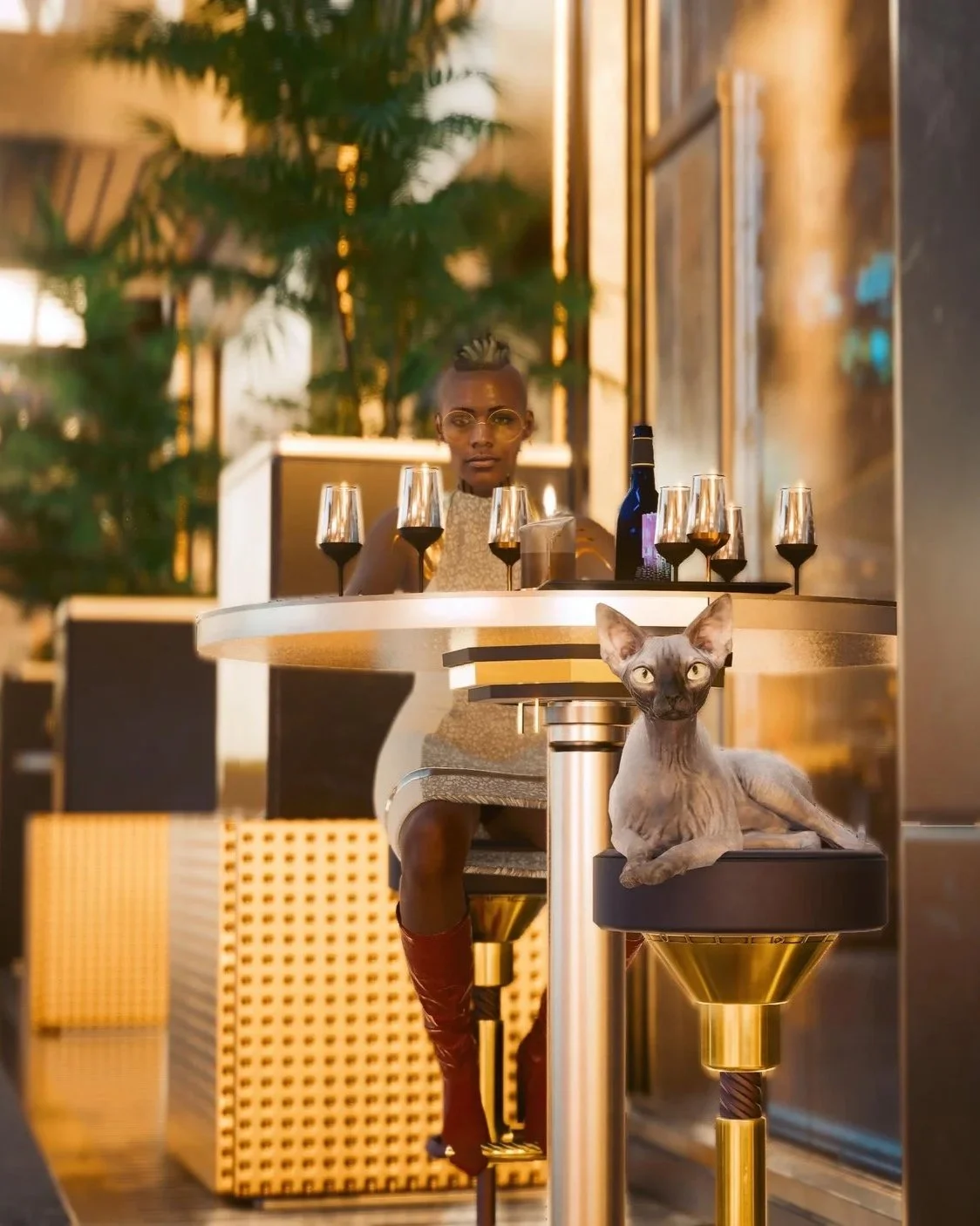
Article and photography by: Ella (@StrawbElla)
Video from: Cyberpunk 2077: Press Kit, provided by CD Projekt Red
Featured game: Cyberpunk 2077 © CD Projekt Red